
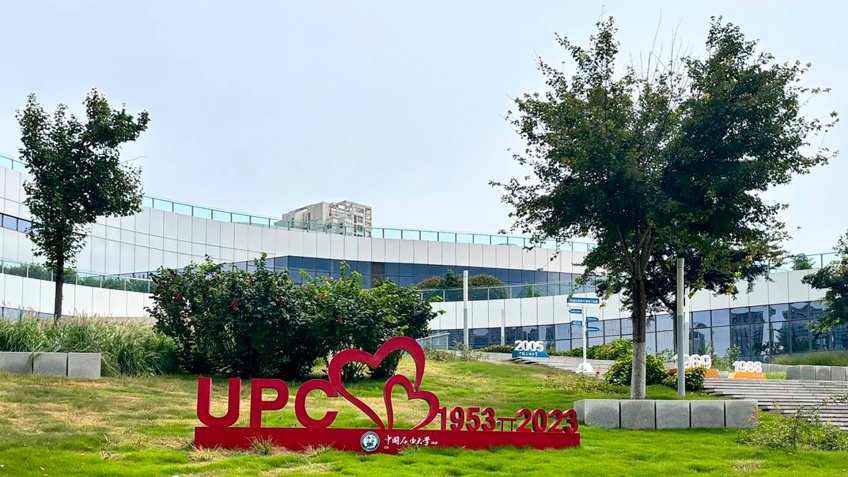
Students of the Mining University are undergoing an internship at China University of Petroleum in Qingdao (China University of Petroleum, UPC), where future specialists are being introduced to theories and practices in oil and gas engineering, energy, and engineering sciences. During the first few days, the students attended lectures in English, mastering specialized energy modules, visited TELD, the city’s largest industrial enterprise, and immersed themselves in the country’s culture. This forms the basis of the program, within which students and postgraduate students adopt the experience and scientific achievements of rapidly developing China in order to acquire new competencies.
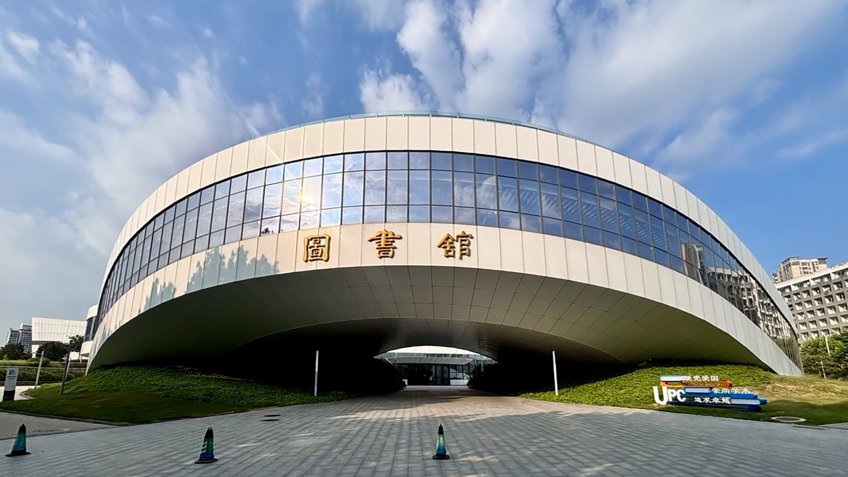
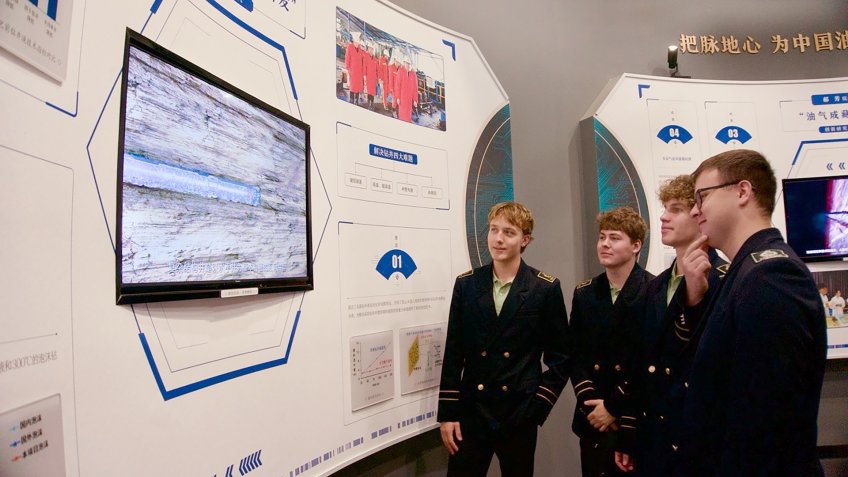
The students’ Summer School in Qingdao began with a visit to the University History Museum — an official exhibition dedicated to the founding of the university in 1953, its development, and its achievements in the oil and gas industry. The educational institution was founded as the Beijing Petroleum Institute; after the university was relocated to the city of Dongying in 1969, it became the East China Petroleum Institute, then was renamed the University of Petroleum with branches in Beijing and Shandong, and in 2005 received its current name — China University of Petroleum (East China).
«At the museum, we were greeted by a sculpture featuring a raised wind turbine, symbolizing not only the history of the oil industry, but also the transition to new energy sources. It displays models of old wooden buildings, showing the harsh living conditions in which the first teachers and students lived and worked. Looking around, it is hard to believe how difficult everything was at the beginning. One of the displays pointed to the years 1958–1965, associated with the creation of the first scientific laboratories and even production facilities, such as oil refineries», — noted Maria Efimova, a postgraduate student at the Department of Mechanical Engineering.

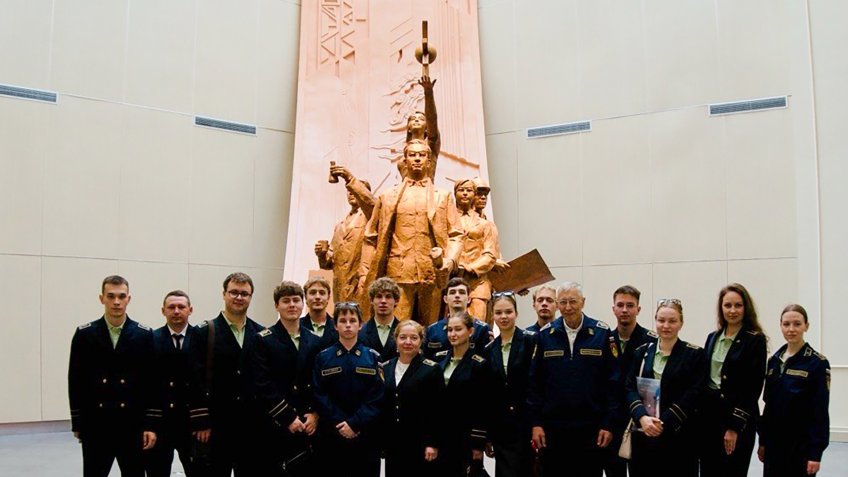
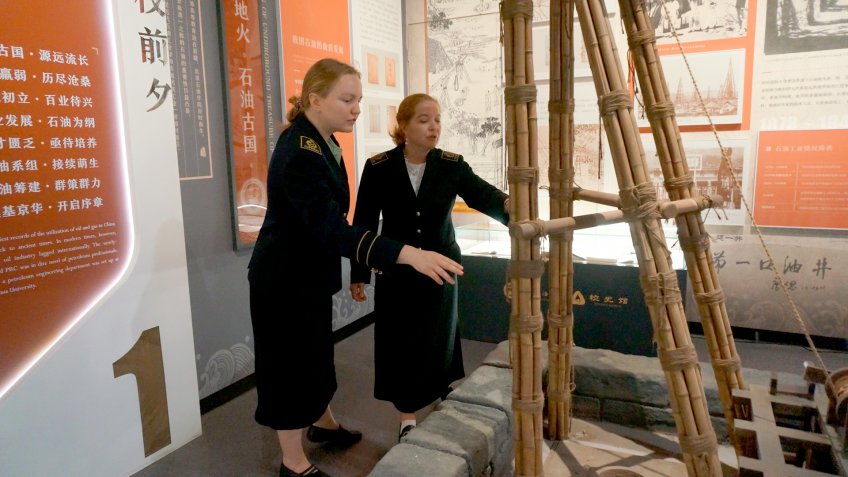
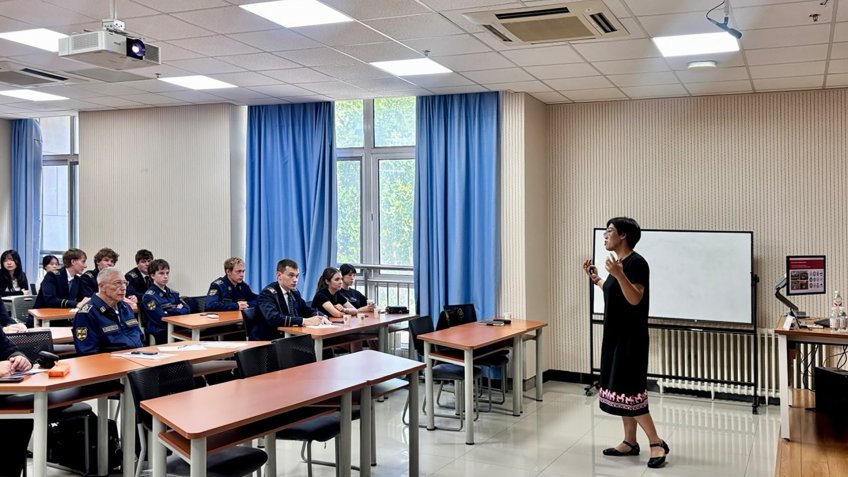
At a lecture on the AI-based energy transition, students were told how artificial intelligence helps revolutionize the energy sector by making it cheaper, more environmentally friendly, and more reliable. Su Jialei, Associate Professor at the College of New Energy of China University of Petroleum, explained that the need to use AI in energy is driven by the sharp rise in electricity prices and the enormous energy consumption of new technologies themselves. The practical application of artificial intelligence addresses several tasks at once: it forecasts solar and wind power generation with high accuracy, manages energy reserves, and detects equipment malfunctions in real time, preventing accidents. In addition, AI instantly reroutes electricity supply during natural disasters and actively protects power systems, ensuring grid stability.
«After speaking with the instructor, it became clear that in the PRC, artificial intelligence already plays a major role in monitoring, diagnostics, and grid analysis. This lecture helped me understand that the generation, storage, distribution, and consumption of electrical energy is a sphere that, like others, keeps pace with developing technologies, and that equipping it with modern technologies and competent personnel is one of the key priorities, since today electricity underpins virtually everything around us in everyday life, technology, and production», — explained Andrey Pogorelov, a student at the Department of Construction of Mining Enterprises and Underground Structures.
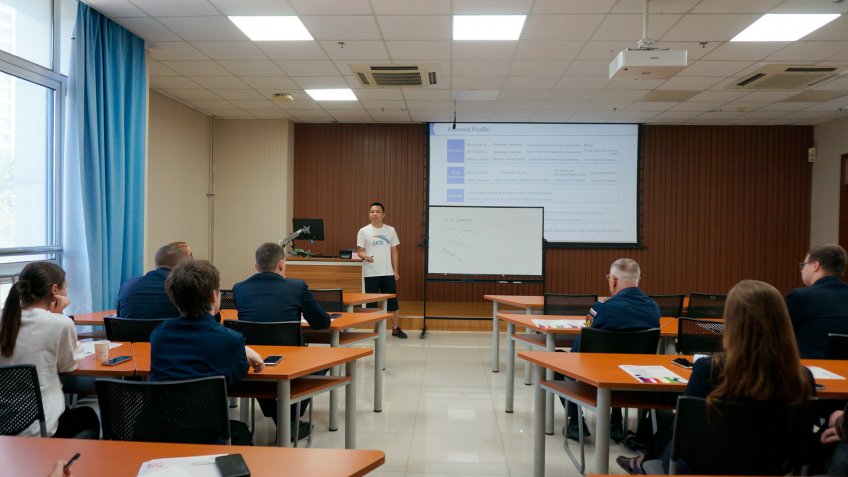
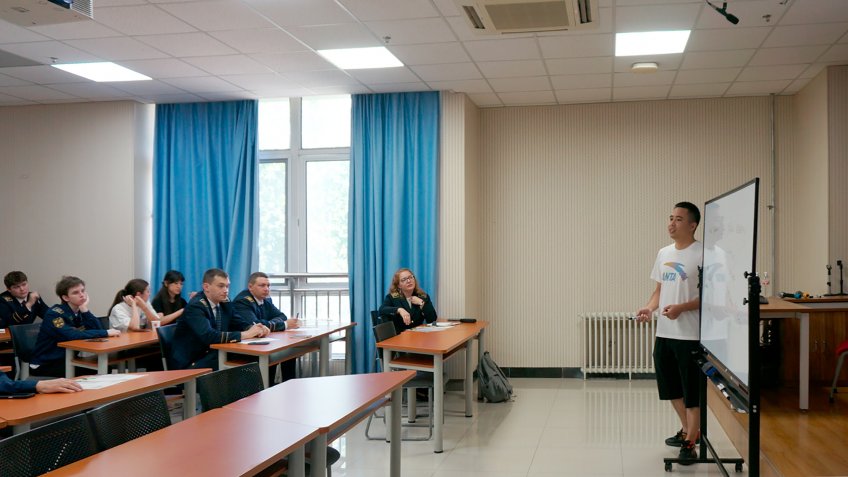
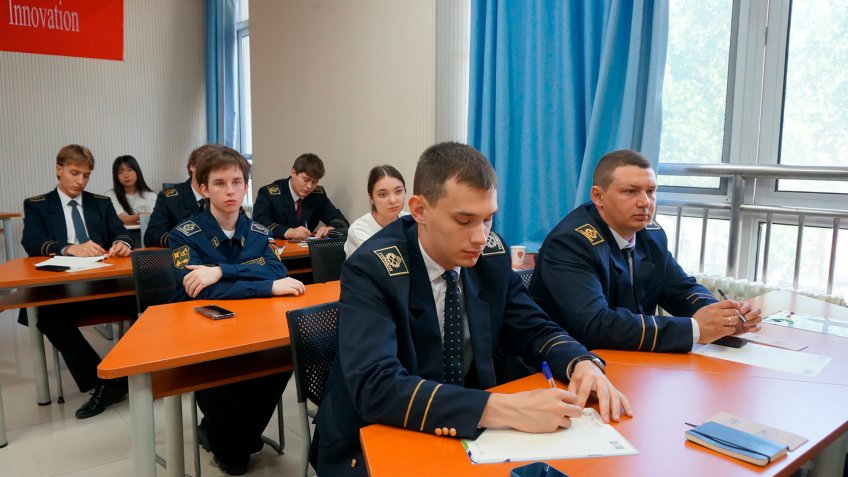
At the class devoted to wind and solar energy, the lecturer explained that China’s current emphasis on green energy is connected with the crisis of traditional sources. Thus, coal-fired generation is characterized by low cost; however, reserves of this fuel are being depleted, and its constant use leads to enormous carbon dioxide emissions. At the same time, the country consumes more than 10 billion tonnes of coal annually, which corresponds to 0.8–1 kg of carbon dioxide per kWh. In addition, the students were shown how electricity reaches the end consumer.
«The ‘journey of one kilowatt-hour’ was shown: from generation through step-up substations to ultra-high-voltage (UHV) transmission over distances exceeding 5,000 km with minimal losses — only 3–6% — and then through step-down substations to homes and enterprises. The speaker presented impressive figures demonstrating China’s global leadership in this area: installed solar capacity has reached about 500 GW, or 40% of the global total; wind capacity is about 400 GW; and annual electric vehicle sales exceed 10 million. The lecture served as a reminder of how much energy people consume and drew students’ attention to these important issues», — explained Maria Efimova.
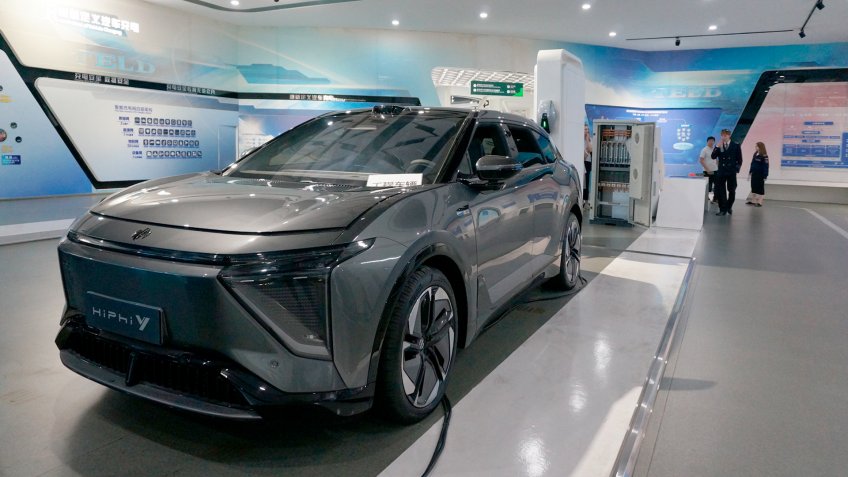
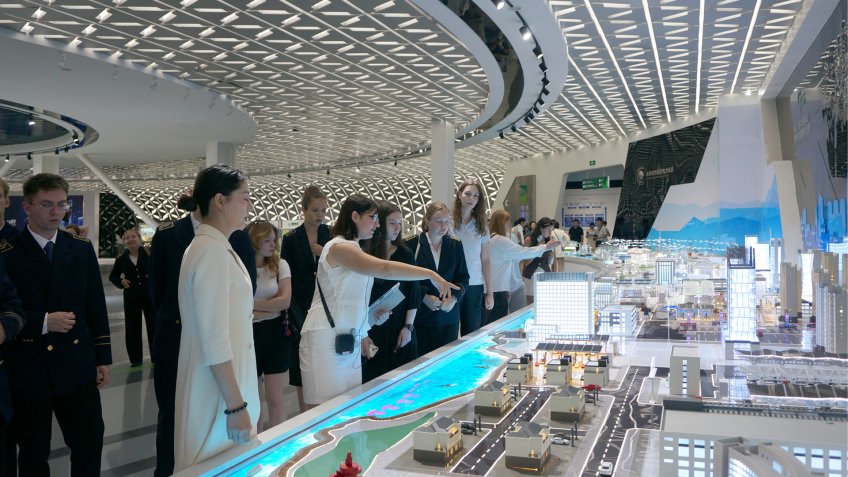
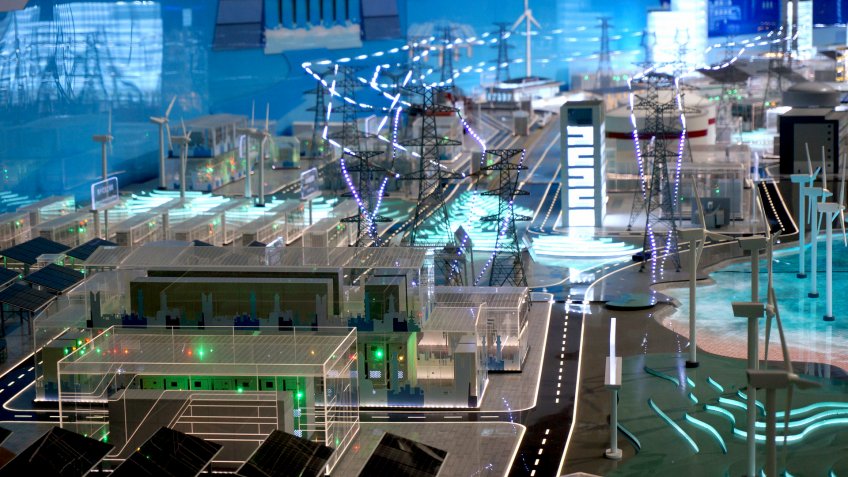
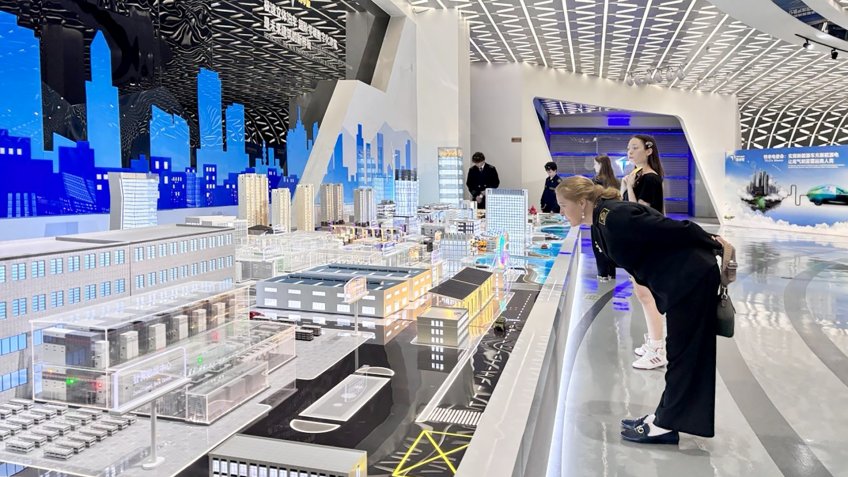
The visit to TELD New Energy Co. Ltd. (Qingdao TGOOD Electric Co., Ltd.), a leading Chinese company and the largest operator of electric vehicle charging networks in China and worldwide, as well as a developer of intelligent charging equipment, became a logical continuation of the lecture. The Summer School participants saw with their own eyes how fast DC charging stations work, reducing vehicle charging time to 20–50 minutes; examined modern electric vehicle models; and viewed the large-scale diorama “The New Energy System of the Future.” The diorama shows how wind turbines, solar panels, residential districts, industrial zones, and substations are connected into a single “green” energy circuit with a zero carbon footprint and digital buildings.
«It was very interesting to learn about the company’s new developments, which make it possible to use special stations that shorten the vehicle charging process, especially given that electric transport is gaining great popularity in China and around the world due to its high environmental friendliness. In addition, the visit to TELD New Energy made it possible to assess the high level of equipment at modern Chinese enterprises in the energy sector, — noted postgraduate student Irina Dorozhkina.
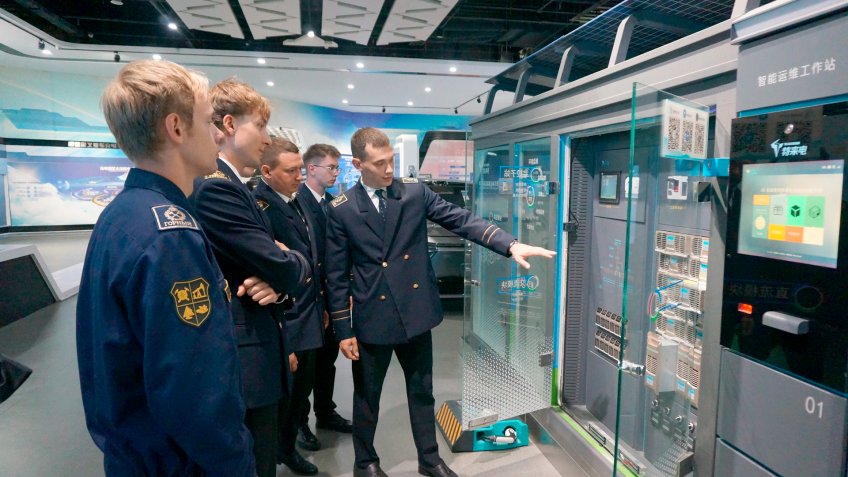
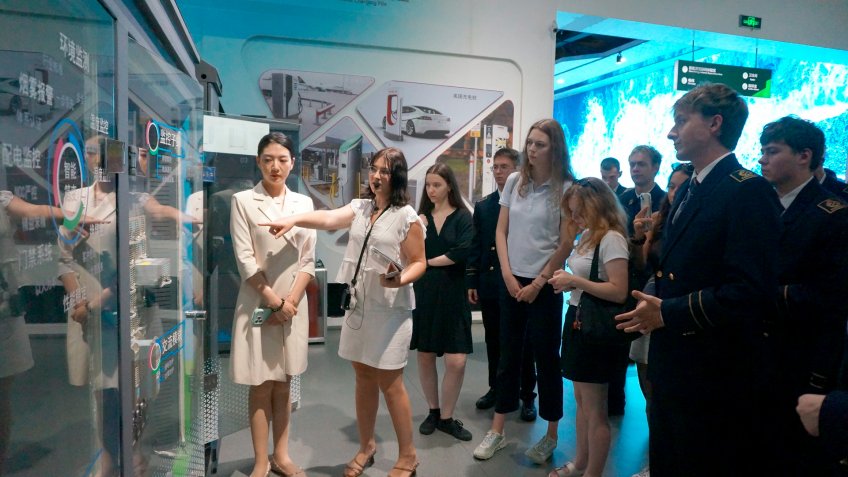
«The visit to the company’s main dispatch office was particularly impressive. On a huge multi-screen panel, a real-time map of Qingdao was displayed, with each charging station marked by a pulsing dot. These stations are equipped with an intelligent vehicle recognition system: the system instantly reads the onboard data of the connected vehicle, its model, battery capacity, and even the history of previous charges, after which an individual power level is automatically selected to reduce battery wear. These artificial intelligence technologies could also be implemented in the petrochemical industry, for example, for the automatic selection of installation parameters based on feedstock composition in order to increase the yield of the target product», — said Arkady Genkin, a third-year student studying the chemical technology of natural energy carriers and carbon materials.
At a lecture on the key challenges of the energy transition, Lei Jiang, Associate Professor at the College of Chemistry and Chemical Engineering, emphasized that China has a lot of coal, little oil, and even less gas, while oil is the lifeblood of modern industry and is important not only as fuel, but also as a raw material for the production of plastics, chemicals, and other products. China imports more oil than any other country in the world — approximately 11.8 million barrels per day — while daily consumption reaches 14.8 million barrels. In 2025, more than one-fifth of the oil imported by the PRC was under sanctions: 268,000 barrels of oil per day from Venezuela, 821,000 barrels per day from Russia, and 1.4 million barrels of oil per day from Iran, she noted.
Shandong Province, whose largest economic and port center is Qingdao, is home to many small independent private oil refineries. Such plants, known as “teapots” because of their small size, simple technologies, and external resemblance, play the role of flexible market players: they respond quickly to feedstock prices and often purchase inexpensive oil from Russia, Iran, and Venezuela. After purchasing this oil, China refines it and resells it to other countries in Asia.
China is now attempting to create a strategic petroleum reserve similar to that of the United States: its reserves amount to hundreds of millions of barrels of oil — enough to manage without oil imports for months. Having set itself the goal of creating such a reserve, China is actively increasing purchases during periods of falling prices and, in addition to resale, sends part of the oil to enormous storage facilities. In 2019, China’s largest state-owned oil companies launched the first-ever seven-year action plan to increase exploration and production of oil and natural gas. Investments in this project amount to tens of billions of dollars.
«An important fact is that China does not envisage abandoning hydrocarbons in the coming decades, but is placing emphasis on improving the efficiency of their use: introducing combined-cycle technologies, coal gasification, and associated methane utilization. A case was demonstrated involving the use of associated petroleum gas to generate electricity at a field, followed by charging battery systems, which reduces external electricity consumption. Understanding the vectors of technological development allows a future engineer to choose the right design solutions: taking the carbon tax into account when justifying field development, optimizing gas gathering and treatment schemes with minimal emissions, and designing systems for the utilization of low-pressure gas», — explained Matvey Vasilyev, a second-year student at the Faculty of Oil and Gas.
«As the lecturer emphasized, despite the development of new energy sources, humanity does not intend to abandon oil and gas. These resources, in particular, can be used even more broadly — not only as energy carriers, but also as feedstock for deep oil refining and the petrochemical industry», — added Andrey Pogorelov.
«The PRC understands that its oil consumption will not decrease in the near future. In this regard, the country is actively developing its own fields, which requires the development of new deep-drilling technologies. China is also developing strategic partnerships with neighboring countries in order to reduce the share of oil arriving by sea and replace it with an ‘overland’ route, so as to avoid possible ‘surprises’ from the United States», — noted Nazar Plugin, a second-year student studying machinery and equipment for oil and gas field.
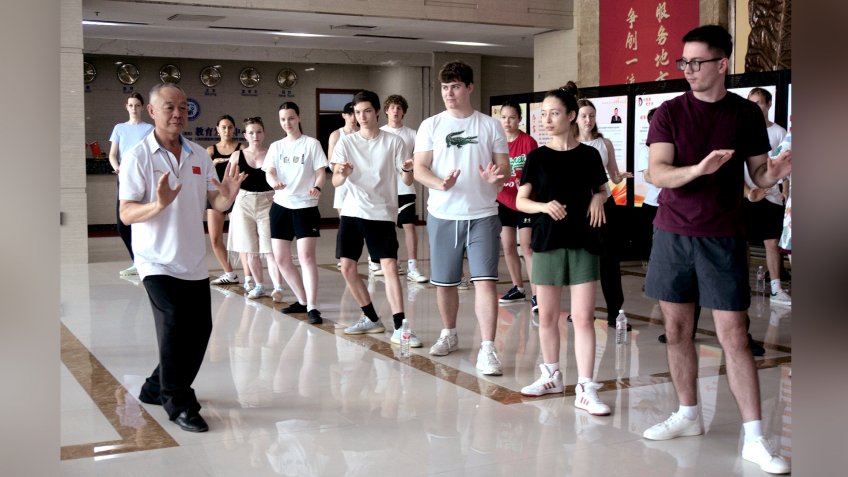
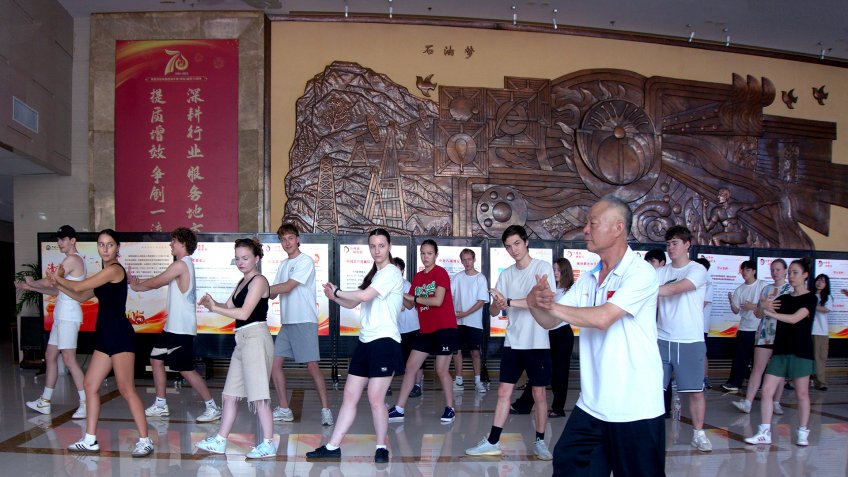
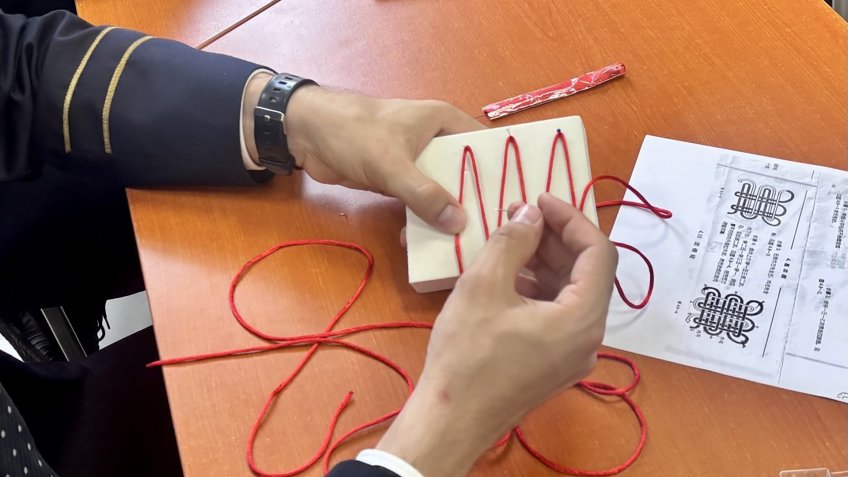
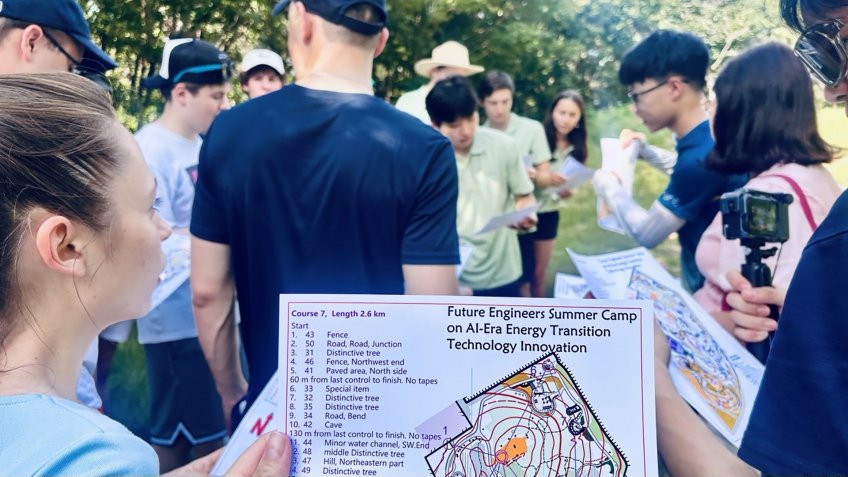
The cultural component of the Summer School is devoted to physical activity and introducing students to traditional Chinese practices: orienteering, the art of tying Chinese knots, and Tai chi — an ancient martial art and health-improving gymnastics. The master who conducted the Tai chi class noted that it had been actively practiced by KGB officers who came to China from the Soviet Union. The practice is aimed at concentration and control of body movements, and the students from Saint Petersburg were taught one of the continuous sets of movements designed to strengthen the body and achieve harmony.

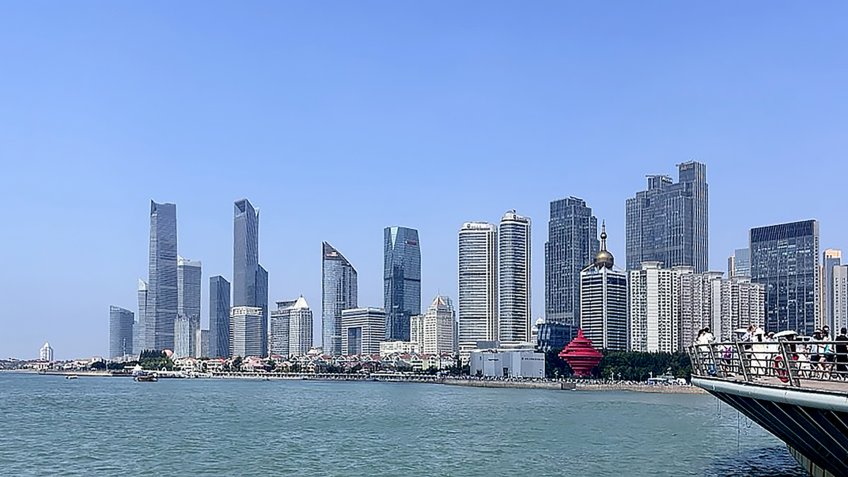
Qingdao is a city of innovation and entrepreneurship with a population of 10.4 million. Qingdao’s GDP is USD 235 billion per year as of 2024. It is an industrial hub of China, one of the country’s main economic centers and one of the world’s largest cargo ports, producing 39 of 41 categories of goods. It is also a major educational center, with 14 national research institutes and 29 universities, where more than 330,000 students study.
China University of Petroleum is part of Project 211 — a group of more than 110 key Chinese universities selected by the country’s government in 1995 for accelerated development and to raise their level to world standards. The university has already trained more than 19,000 specialists and 12,000 postgraduate students, including 800 international students. Students have access to 131 educational programs, with the main areas being the petroleum industry, chemical engineering, mechanical engineering and electronics, pipeline and civil engineering.