
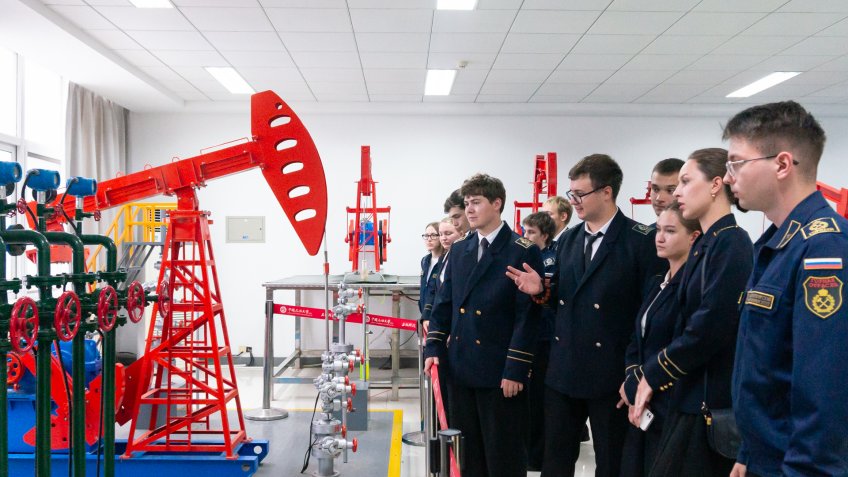
Students of Empress Catherine II Saint Petersburg Mining University participating in a Summer School at China University of Petroleum (Qingdao) (UPC) were shown the university’s main practical training centre, where laboratories reproduce the full range of real-world production processes used by oil and gas enterprises. The Saint Petersburg delegation also examined the operations of Offshore Oil Engineering (Qingdao), a subsidiary of China National Offshore Oil Corporation (CNOOC) specializing in the manufacture of offshore oil and gas engineering equipment for offshore field development projects.
The guiding principle of China University of Petroleum (Qingdao) is the synergy of theory and practice. The campus houses several specialized practical training facilities, as well as oil wells and rotary pumping units. The university has a total of 80 key laboratories, with the leading ones focusing on deep petroleum geology and physical geography, heavy oil, reservoir geology, and the development of unconventional deposits.
UPC is participating in the PRC’s national “Deep Earth” project for ultra-deep drilling and resource development. The program provides multibillion-yuan subsidies and support funds for drilling in highly challenging carbonate and shale deposits, with the university serving as one of the principal scientific and technical bases. The project aims to study the deep interior of the Earth and secure the country’s energy future. As part of the project, China is developing its first ultra-deep intelligent drilling rig capable of reaching a depth of 15,000 metres. The project is led by the Chinese Academy of Geological Sciences in cooperation with several universities, research institutes, and enterprises.
In the summer of 2025, a delegation from UPC visited the Mining University. The purpose of the visit was to foster cooperation between the two universities in the comprehensive study of the Earth’s evolution and deep geological processes. The Mining University’s drilling team took part in the operation to access Lake Vostok in Antarctica. Today, ultra-deep wells are being drilled in the Komi Republic, within the Timan-Pechora oil and gas province, with a planned depth of 8,000 metres. The objective is to study the genesis of the Earth and determine the availability of new reserves of recoverable natural resources.
The two sides confirmed their mutual interest in academic exchange, joint publications, and research in geochemistry, well drilling, enhanced oil recovery, and raw-material processing. Dai Caili, Vice President of China University of Petroleum, paid particular attention to the proposal for a joint project on deep meta-drilling and expressed confidence “that cooperation between the research teams of our universities in this field will be highly relevant and important for both countries.” The Mining University delegation, in turn, visited UPC in September last year, where the visitors from Saint Petersburg were given a detailed introduction to the university’s infrastructure and the research areas pursued by their Chinese colleagues.


One of the fundamental scientific questions being studied at UPC is the origin of petroleum — the biogenic and abiogenic theories. The biogenic (organic) theory explains its formation from the remains of ancient plants and animals, while according to the abiogenic (inorganic) theory, hydrocarbons are synthesized from deep-seated minerals and gases in the planet’s mantle. The biogenic theory has been challenged by the discovery of naturally occurring hydrogen and carbon in ultra-deep wells more than 10,000 metres deep, Yu Jixian, the Chinese-side internship coordinator and Deputy Dean of the College of International Education at UPC, told the delegation from Saint Petersburg.
«The abiogenic origin of petroleum is possible because hydrogen and carbon combine, and under conditions of high temperature and extremely high pressure, they can lead to the formation of petroleum. This has already been demonstrated under laboratory conditions; however, such hydrocarbon formation can occur only under extreme conditions. Thus, the biogenic theory of petroleum formation is being called into question. It is possible that within the next 10 years it will be proven that the origin of petroleum is an abiogenic process. At the same time, I believe that biogenic formation also occurs, but this applies to petroleum deposits located at shallower depths, since most exploration of such deposits is based precisely on this theory. For deeper deposits, however, the abiogenic explanation is more likely», — explained Yu Jixian.
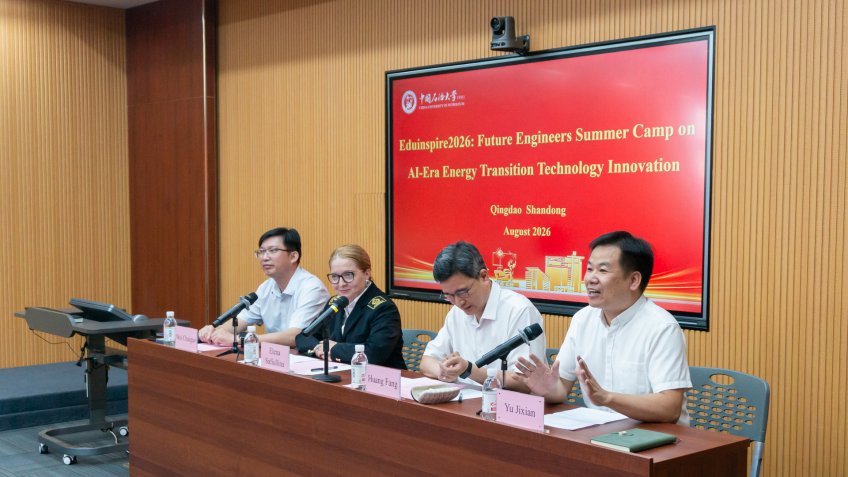
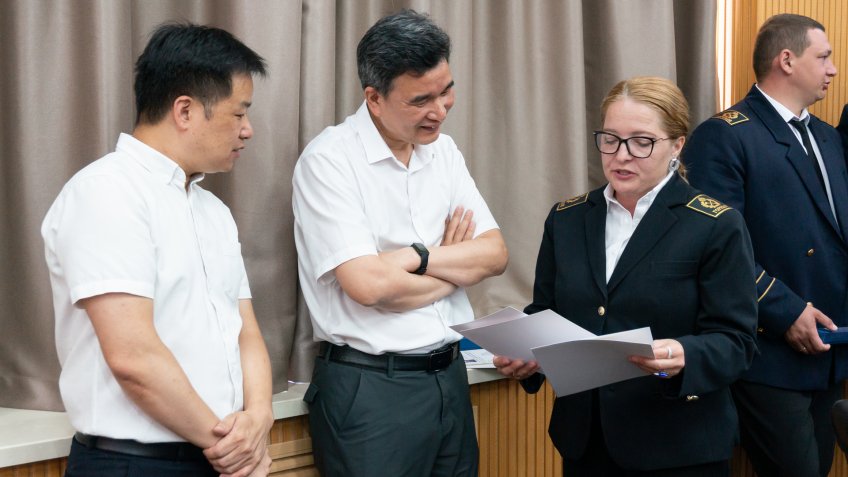
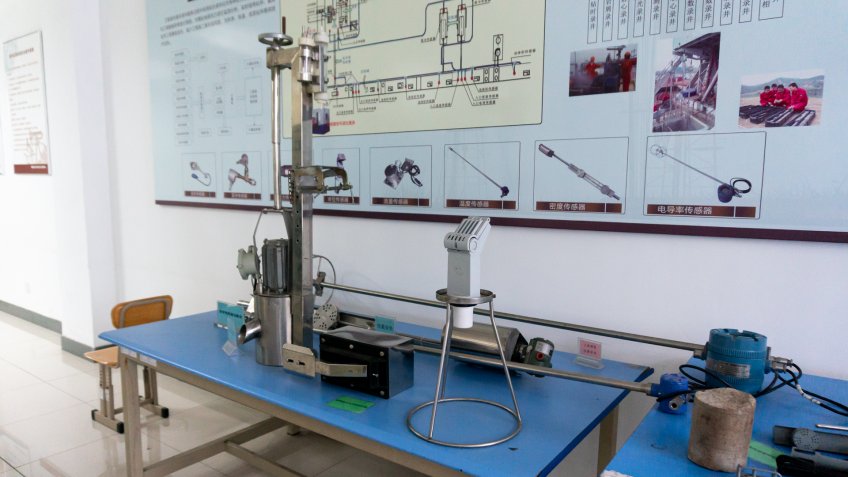
The Centre for Industrial Virtual Modelling and Experimental Training in Oil and Gas Exploration and Development is the university’s key practical training facility for future petroleum engineers. Here, students can develop their skills before encountering real oil and gas facilities, costly equipment, and challenging working conditions.
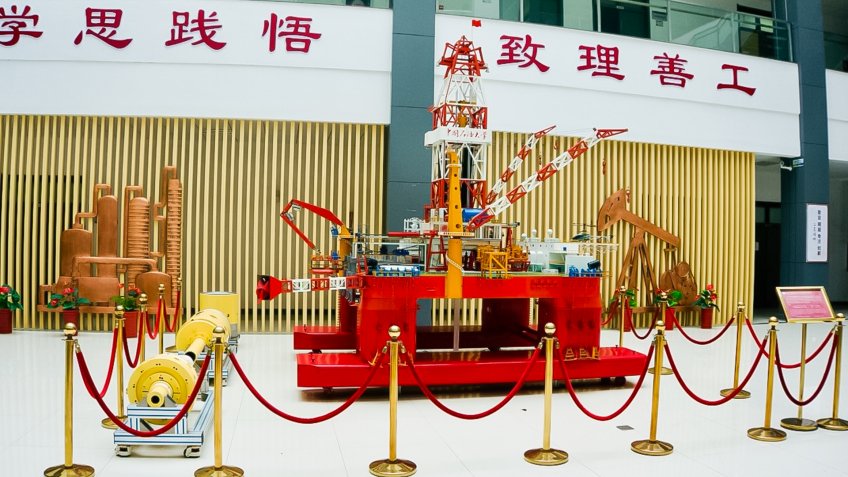
At the entrance to the Centre, students are greeted by a detailed model of a sixth-generation deepwater semi-submersible drilling platform capable of drilling wells up to 12,000 metres deep. The actual drilling platform represented by the model is more than 30 times larger. Built more than 10 years ago, it operates in the South China Sea. It was the first drilling rig manufactured using exclusively Chinese technologies.
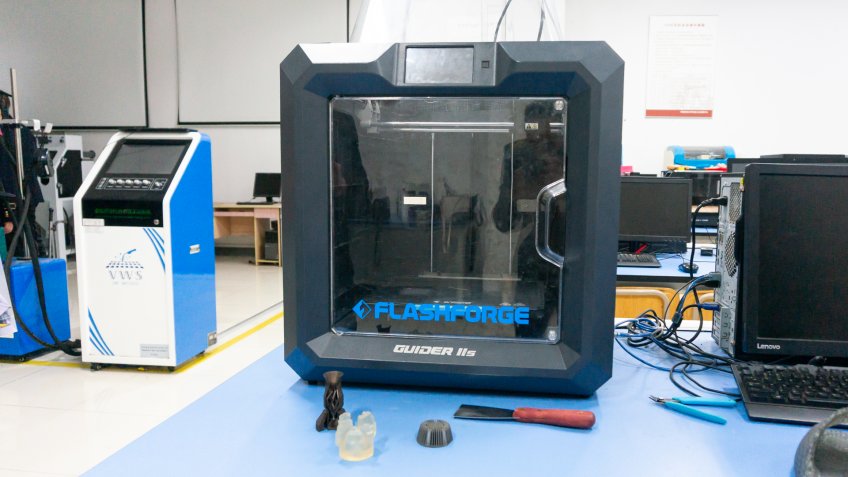
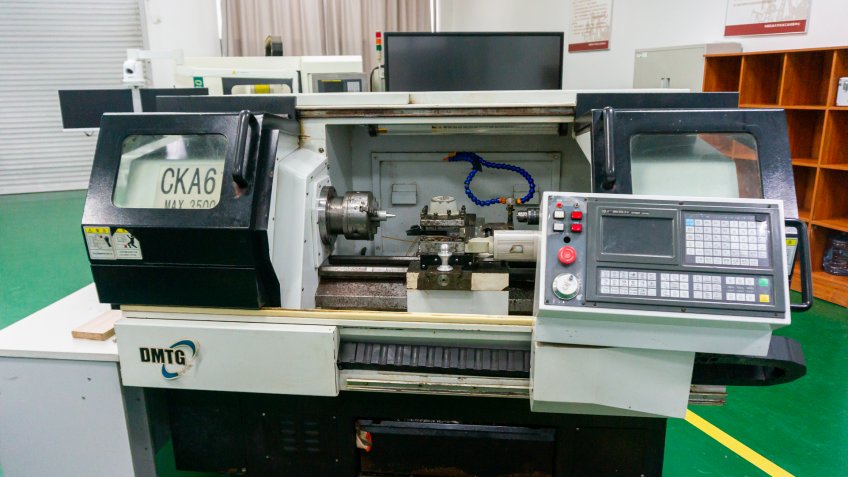
The Centre houses a number of laboratories. The Saint Petersburg delegation was shown an additive manufacturing workshop equipped with operating metal 3D printers, CNC laser-cutting machines, and CNC lathes and milling machines.
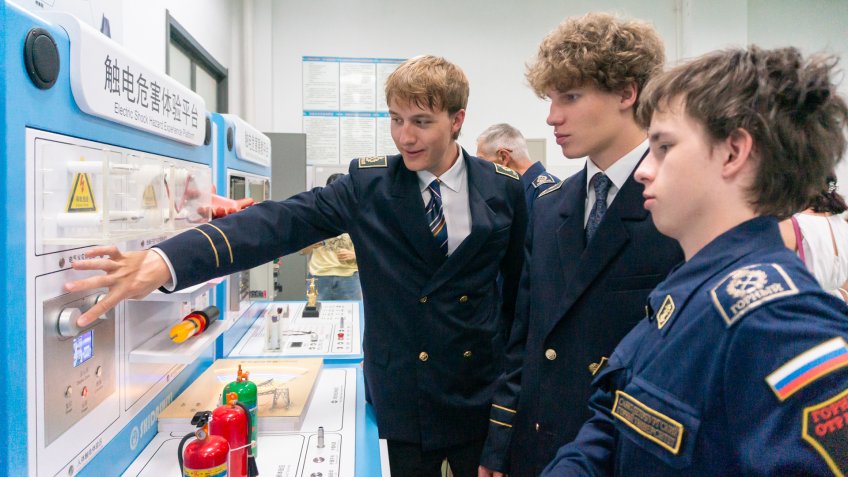
At the Centre’s Laboratory of Virtual Modelling of Drilling Engineering, students study the design of drilling rigs, well-control and drilling-fluid circulation systems, and independently model standard and complex non-standard drilling conditions. The Well Cementing Simulation Laboratory reproduces the operation of cementing units, cementing heads, and casing systems. The Well Intervention Laboratory, which covers well repair, production restoration, formation treatment, and hydraulic fracturing (hydraulic fracturing, or HF) without any visual control — since all processes take place underground — visualizes the operation of workover units, hydraulic fracturing equipment, stations, and downhole tools. The Oil and Gas Production Laboratory focuses on flowing and artificial-lift production of hydrocarbons, including rod-pump, electric submersible centrifugal pump, and progressive cavity pump systems. It is equipped with virtual models of wellheads, pumping systems, and production strings. Another laboratory focuses on oil and gas gathering and transportation. Its module reproduces the complete cycle of gathering production from wells, three-phase separation of oil, gas, and water, flow measurement, dehydration, crude stabilization, and pipeline transportation.
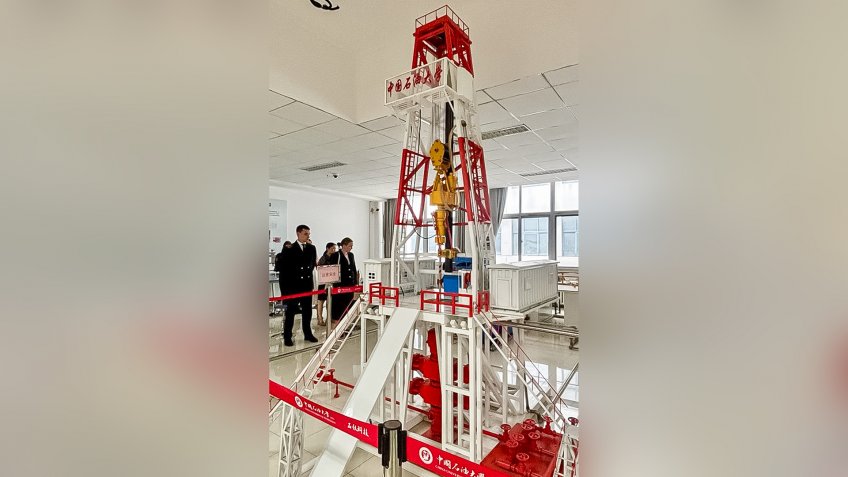
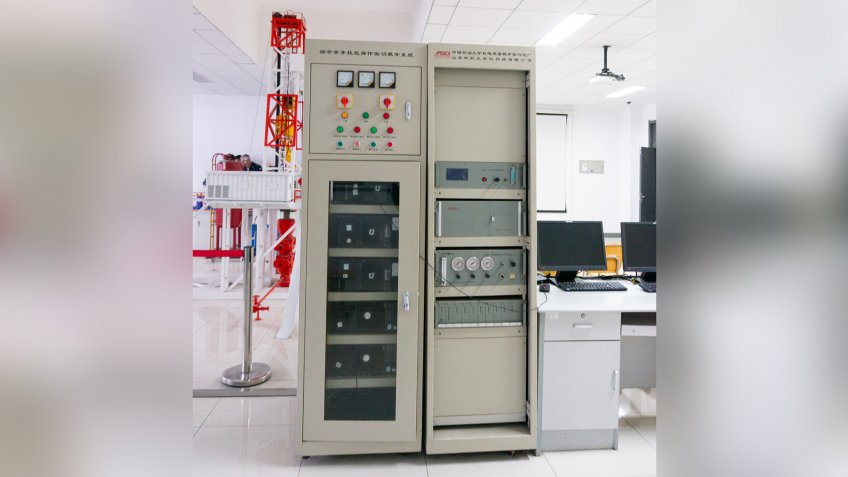
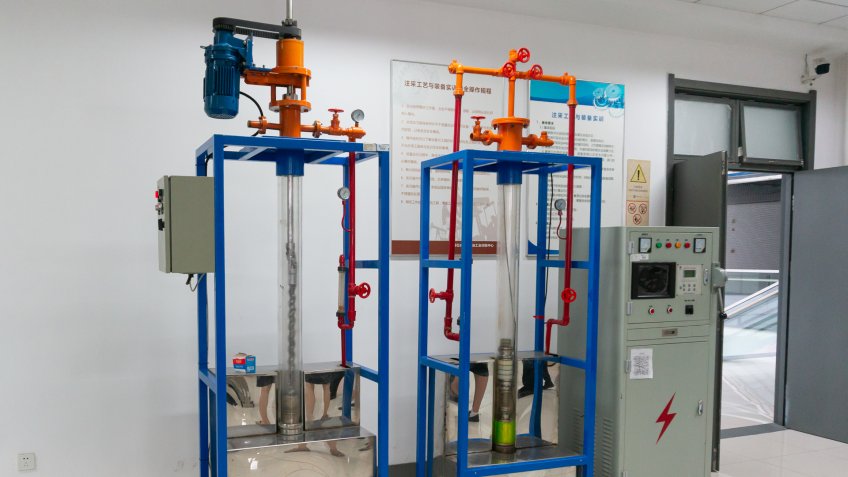
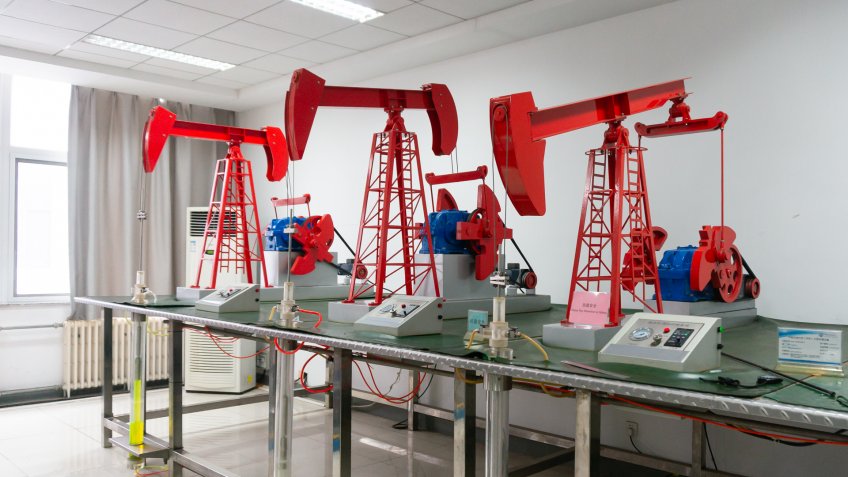
«Visiting the Centre made it possible to clearly compare the theoretical knowledge acquired as part of the university curriculum with the practical engineering solutions used in the Chinese oil industry. The high level of equipment available in the laboratories and simulators is particularly impressive — comparable facilities in Russian universities can generally be found only at specialized industry institutes, rather than as part of student training sites. The high level of digital technology integration was also notable: virtually all training units are equipped with remote monitoring and data archiving modules, which meets modern requirements for engineering education», — noted Matvey Vasilyev, a second-year student at the Department of Development and Operation of Oil and Gas Fields.
All the modules presented at the Centre are integrated into a unified cloud-based virtual modelling platform, commissioned in 2013. Built on a Linux server system, it supports distance learning, online experiment registration, multimedia interaction, and testing. The system provides five forms of training: visualization of abstract theory, simulation of industrial equipment, practical training in technological processes, and assembly training. This makes it possible to provide high-quality, safe, and repeatable practical training for engineers without the risks and enormous material costs associated with conventional industrial facilities.
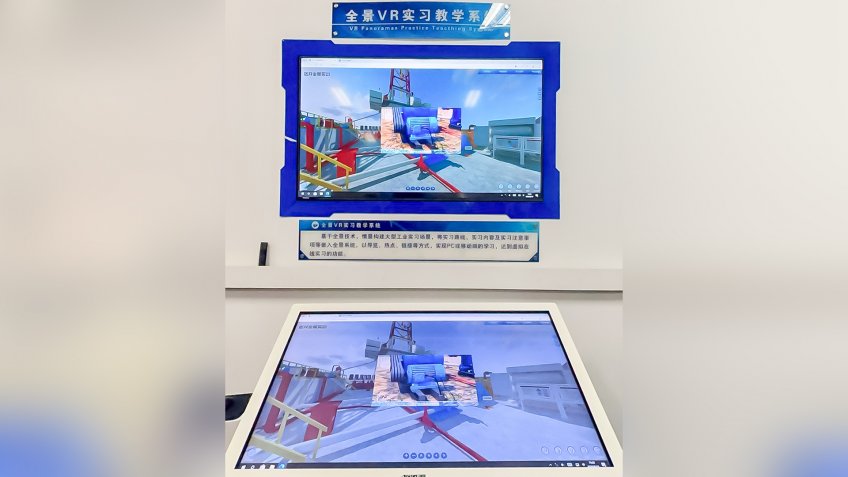
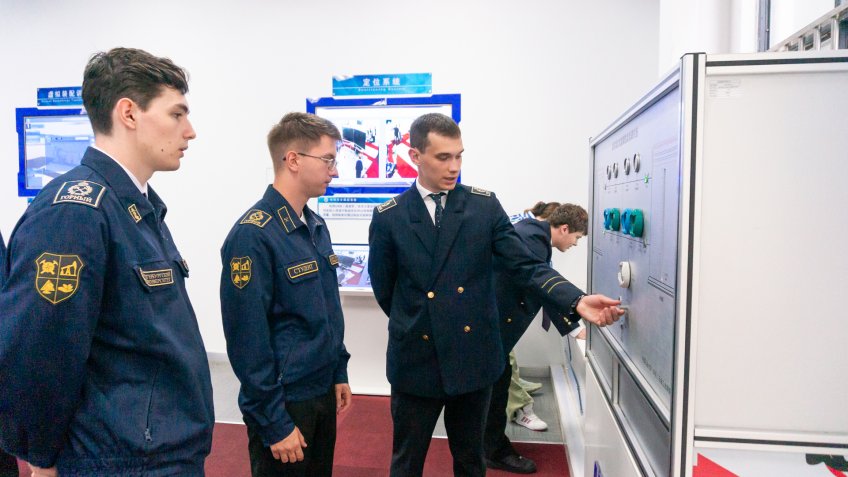
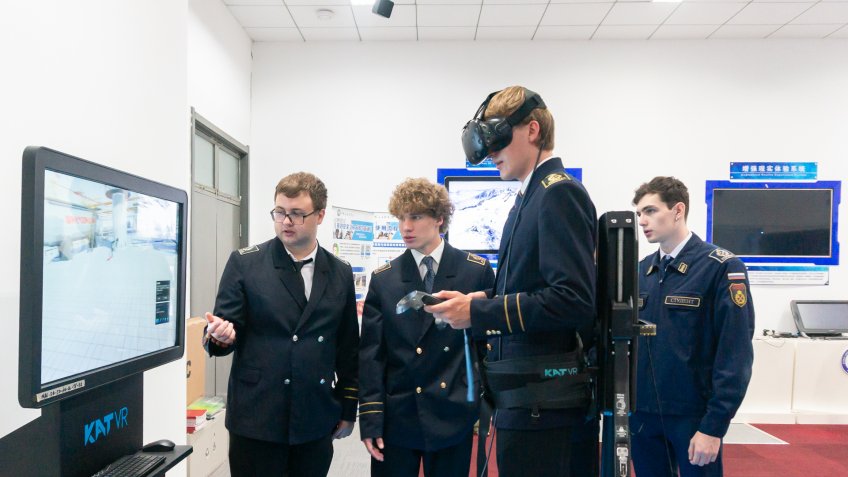
«The Centre is equipped with a professional VR platform (KAT VR), which enables complete immersion in a virtual environment. Participants can physically move through a virtual industrial facility, interact with equipment, and study technological processes under conditions close to real life. The Centre also features a large number of quest-based simulators. Screens simulate scenarios involving firefighting, leaks from tanks, and other emergency situations. Students take on the roles of operators or emergency responders, following clear action algorithms. Large screens with 3D models of electric motors and other units make it possible to study their internal structure and carry out virtual disassembly and assembly while selecting the correct tools. This provides invaluable experience in handling expensive equipment without the risk of damaging anything in reality», — explained Maria Efimova, a postgraduate student at the Department of Mechanical Engineering.
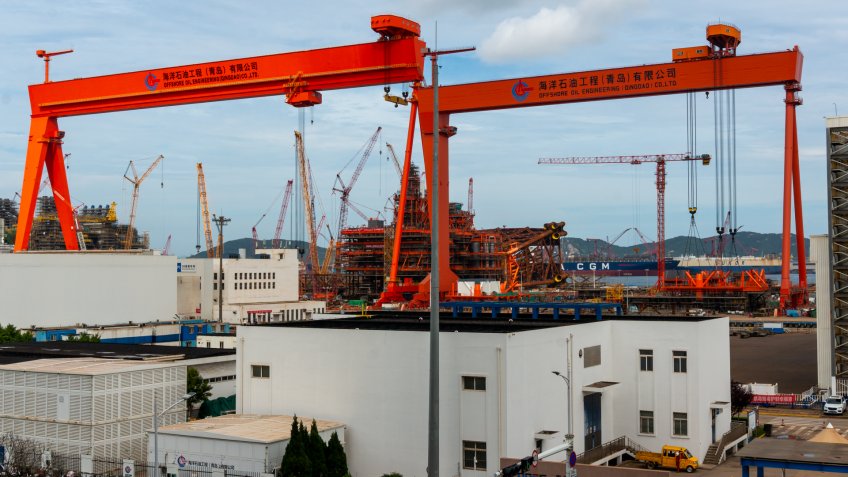
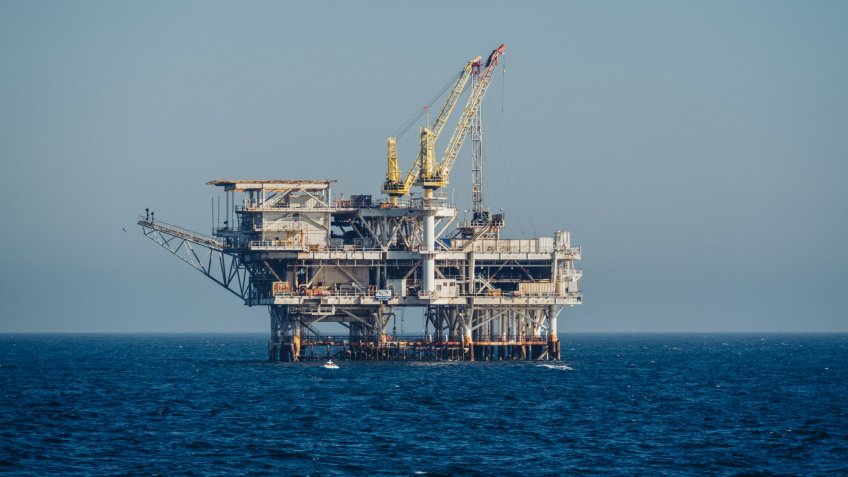
Offshore Oil Engineering (Qingdao) specializes in the manufacture of various types of offshore production platforms, ranging from fixed to semi-submersible structures. The average production time for one such platform is approximately 3.5 years — one year faster than its competitors. The total production area exceeds 1.2 million square metres, the company employs more than 16,000 people, and its berths have a combined length of 1,645 metres. The plant’s annual production capacity reaches 300,000 tonnes.
«As a student, I was particularly interested in the fact that all the key components and structures manufactured here are of exclusively Chinese origin. Moreover, company representatives mentioned that their products are already being successfully supplied to Russia and are used, in particular, in projects in Yamal. We also discussed the company’s ties with the university: a significant proportion of its engineering and technical staff and management are UPC graduates. However, a major difference was highlighted in the approach to university–employer cooperation. Unlike the model we are accustomed to, where students undergo mandatory summer or pre-graduation internships at major industrial facilities, students do not undergo internships at this company. This difference in university–industry integration seemed interesting to me: the university serves as a major source of personnel, while practical training itself is conducted outside the manufacturing environment, which differs from our practice-oriented system», — noted Viktoria Rostemeshina, a first-year student at the Institute of Basic Engineering Education.
The Saint Petersburg students were shown models of drilling platforms, onshore installations, and wind turbines, which demonstrated their design, component arrangement, and the logic of interaction between different systems. These models illustrate how real engineering solutions are embodied in the layout of large-scale facilities, load distribution, and the mechanics of individual components, noted Mikhail Yermakov, a first-year student at the Institute of Basic Engineering Education. In addition, the Mining University students were shown welding technologies and visited the welding workshop, where they were also given a detailed briefing on industrial safety.
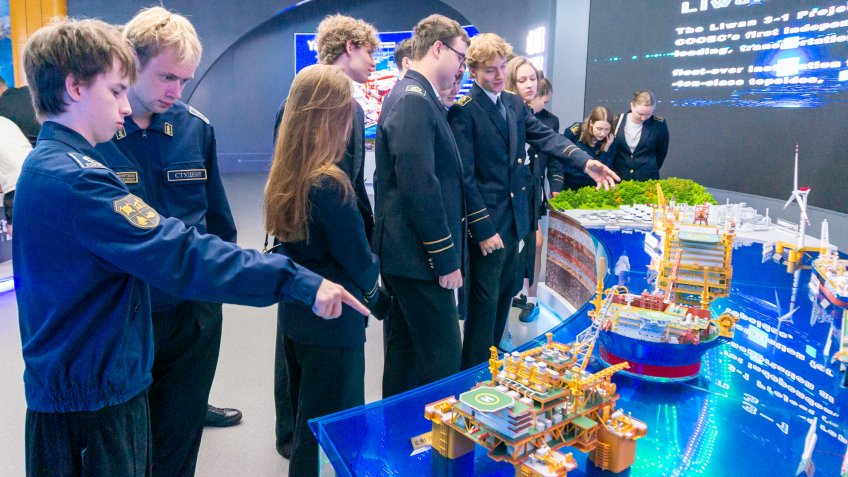
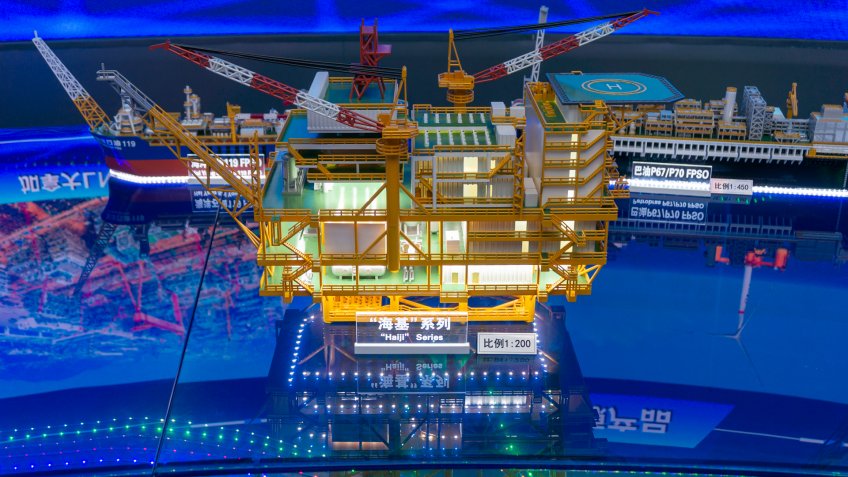
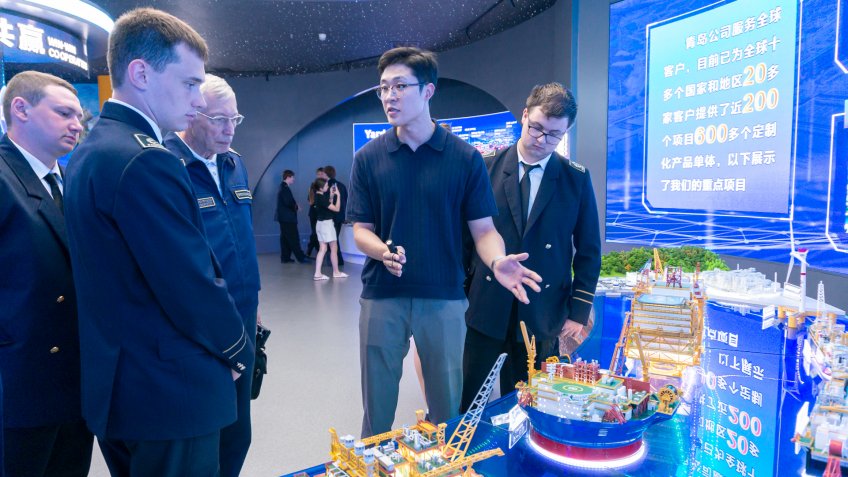
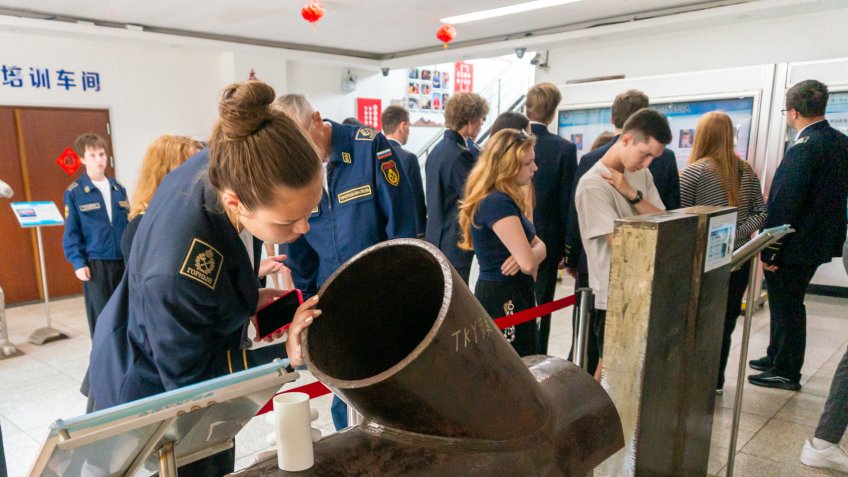
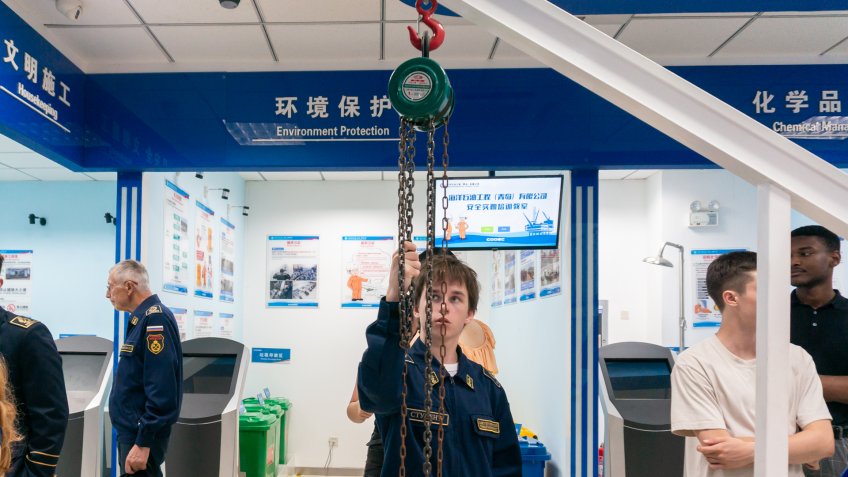
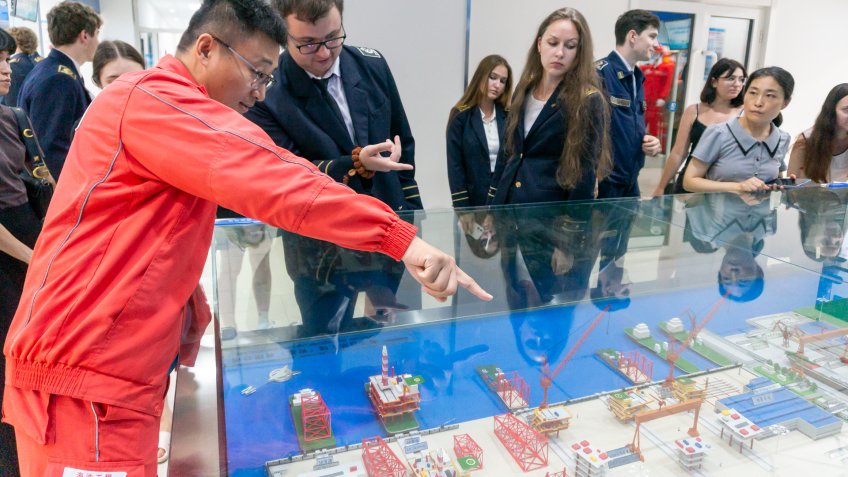
«The construction of topsides and hulls for floating production, storage, and offloading systems is one of the company’s main areas of specialization in Qingdao. CNOOC has successfully implemented platform installation and construction projects in various countries around the world, including China, Australia, Brazil, Saudi Arabia, the UAE, and Russia. It is remarkable that relatively compact platforms can accommodate virtually the entire primary oil and gas processing cycle, thereby ensuring the energy autonomy of offshore production facilities. Therefore, amid the active adoption of artificial intelligence, it is quite possible that unmanned platforms could be developed in Russia in the near future, in particular at the Arctic LNG 2 platform located in the Yamalo-Nenets Autonomous Okrug», — emphasized Arkady Genkin, a third-year student at the Faculty of Mineral Processing, specializing in Chemical Technology of Natural Energy Carriers and Carbon Materials.
«Due to the characteristics of the region, facilities must be designed to withstand earthquakes and storms, which makes their development more challenging. During its 20 years of operation, the company has supplied equipment to almost every part of the world, including gas liquefaction equipment based on Arctic Cascade technology for the Yamal Peninsula. One of the company’s platforms, the Penguin FPSO, can process approximately 1.5 million tonnes of oil per year and is designed for deepwater drilling», — added Nazar Plugin, a second-year student studying Machinery and Equipment for Oil and Gas Fields.
Research conducted by China University of Petroleum has been used in the development of two ultra-deep wells in China: A1H in the waters off the Pearl River Estuary in 2024 and Shenditake-1 in the Tarim Basin in 2025. A1H became the deepest offshore well, set a horizontal drilling record, and was the first independently designed and constructed extended-reach well in China. Shenditake-1 became the first deep vertical well in the Asian region and the second deepest in the world, reaching a depth of 10,900 metres in the Tarim Basin. In addition to exploring for oil and gas resources, it is intended to study the evolution of the Earth and deep geological processes. Drilling confirmed the potential for oil and gas resources at depths of 10,000 metres in the Tarim Basin. The well penetrated 12 geological formations, reaching strata approximately 540 million years old.