
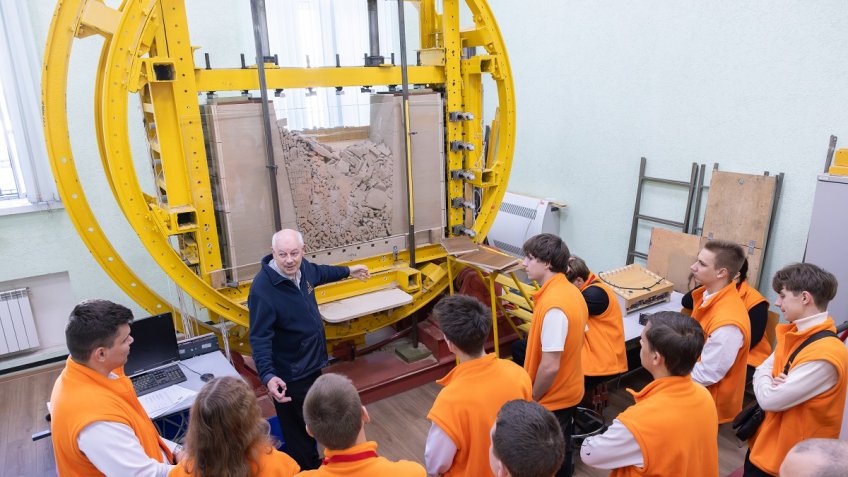
At Empress Catherine II Saint Petersburg Mining University, Summer Schools for senior students from Donetsk National Technical University (DonNTU) have concluded. Similar short-term educational programmes are held at the University annually with the support of the International Competence Centre for Mining Engineering Education under the auspices of UNESCO. Upon completing the two-week programme, all participants passed an assessment and received certificates of completion in a formal ceremony.
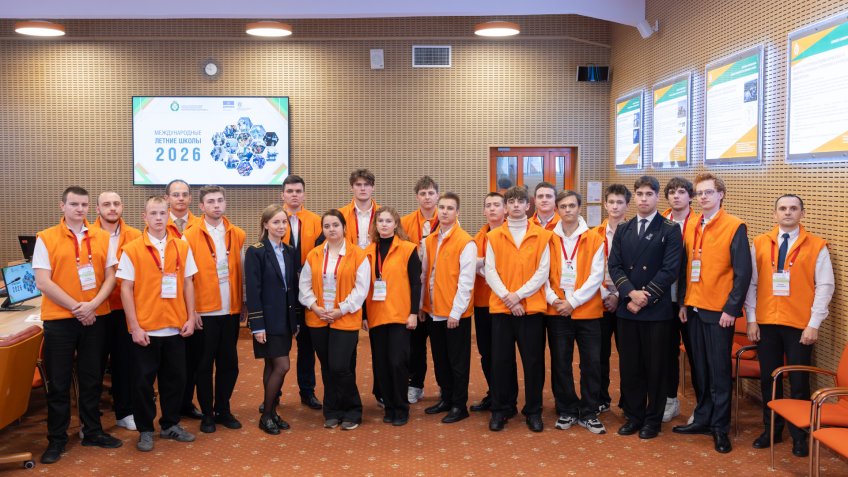
The two-week programme focused on well drilling as part of engineering and geological surveys.
Its aim was to provide young people — including future petroleum geologists, mine surveyors, and environmental specialists — with comprehensive and up-to-date knowledge and practical skills in working with equipment. The programme was developed specifically for the Summer Schools by leading specialists from Russia’s oldest technical university. The students attended lectures on drilling technologies for oil, gas, and geothermal wells, drilling tools and equipment, automation and control systems, digitalization, and geonavigation.
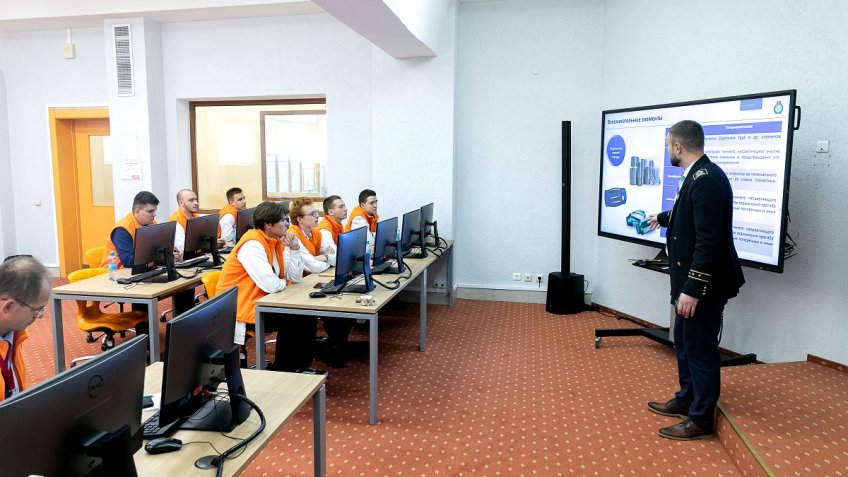
One day was devoted specifically to drilling in extreme northern environments, including Antarctica and the Arctic.
— Learning how core is retrieved from great depths and how ice is drilled was incredibly fascinating. We studied directional drilling, inclinometry, and the operation of rotary steerable systems. It was also interesting to delve into the chemistry of drilling fluids: why hydrocarbon-based fluids are used when a formation is penetrated and how their molecules interact. The learning materials are presented very effectively, from simple concepts to more complex ones. Even students from related fields, such as geology or mine surveying, could understand everything because the material was explained clearly. When terms such as ‘PBU’ (portable drilling rig) or ‘KSh’ (articulated wrench) were used, they were always explained, — said Ilya Shchepak, a fourth-year student at DonNTU.
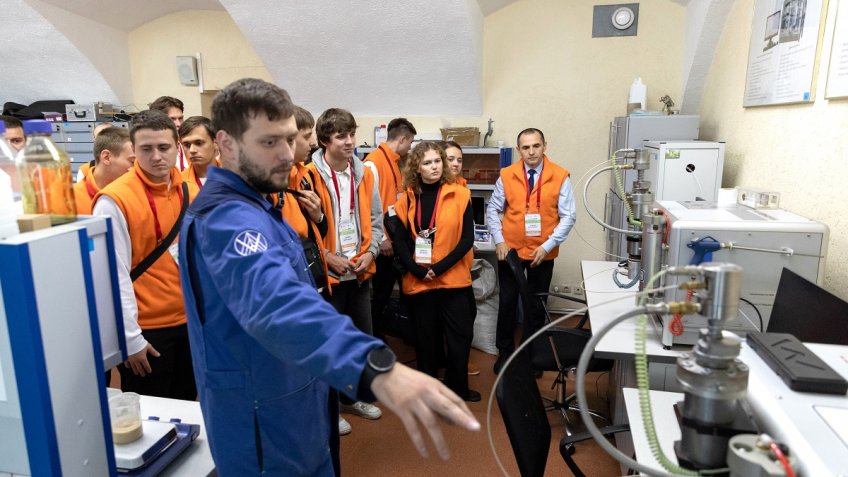
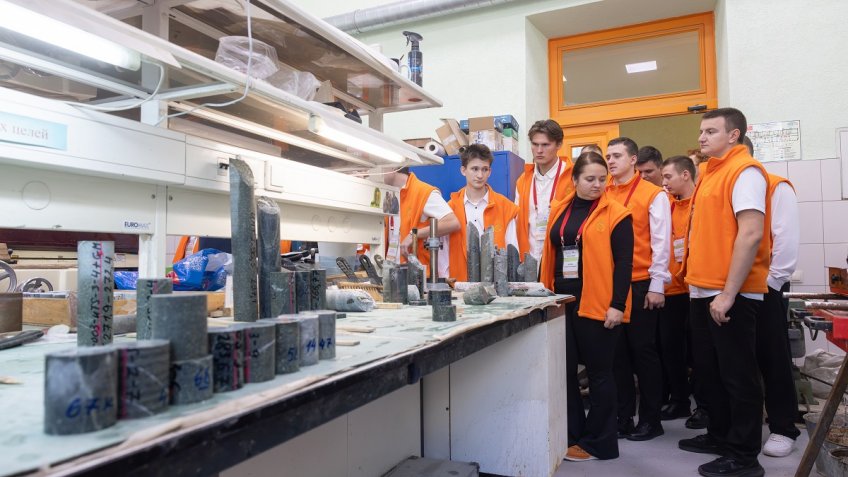
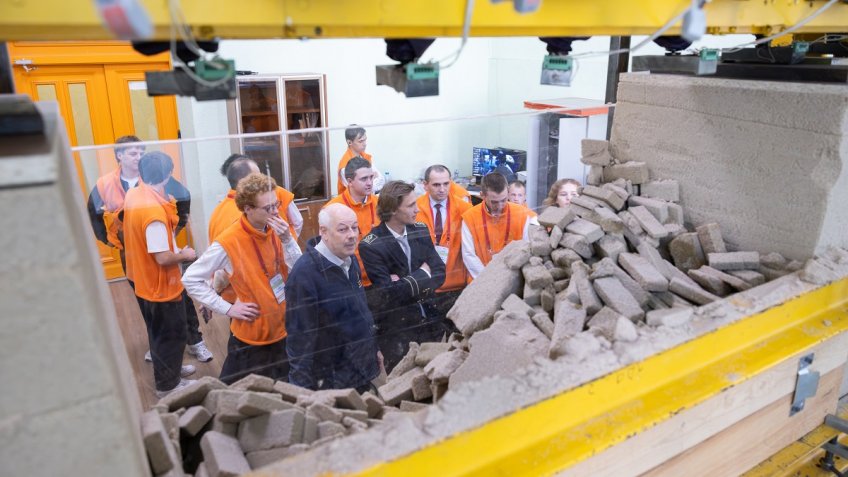
The guests were shown the University’s main research centres and equipment. For example, in the Geomechanics Laboratory, the students from Donetsk were shown how rock samples are tested under load. Such tests make it possible, among other things, to assess the stability of mine workings.
— I particularly enjoyed the lectures on the latest developments in drilling automation. I want to work in automation myself, and your experience in the oil and gas sector is very inspiring. I was especially interested in the rotary steerable system — my professor said that such a system was impossible, but here I saw that it actually exists. I would like to develop something similar for my own field. I am a drilling student, but my specialization is solid minerals rather than oil and gas. The programme was only partially related to my field, but I learned a lot of new things that we had not been taught, especially about drilling fluids. I will definitely use this knowledge in my diploma project, — said Ilya Badeevich, a fifth-year student at DonNTU.
— I was particularly impressed by the laboratory where additives for diesel fuel are being developed. Perhaps, in the future, they will create a new type of fuel for Antarctic stations that will reduce equipment wear, — added Ilya Shchepak.
The programme also included a substantial practical component. The trainees spent several days at the Sablino Training and Research Facility, which was perhaps the most memorable part of the programme.
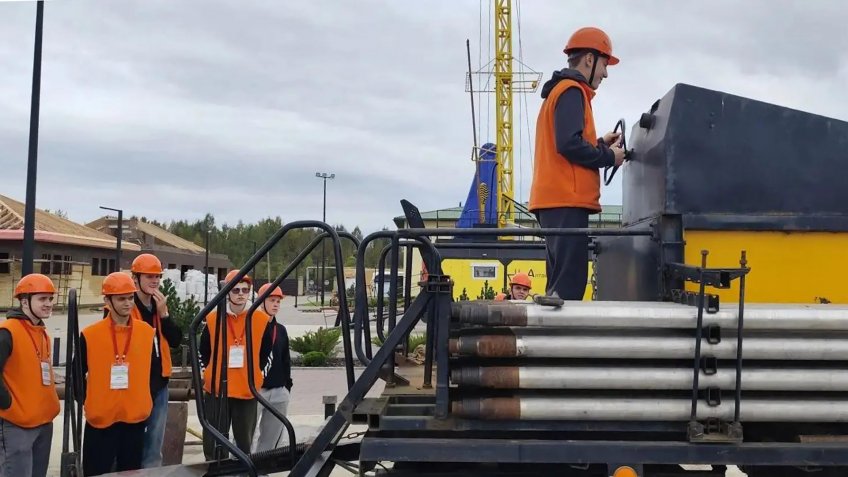
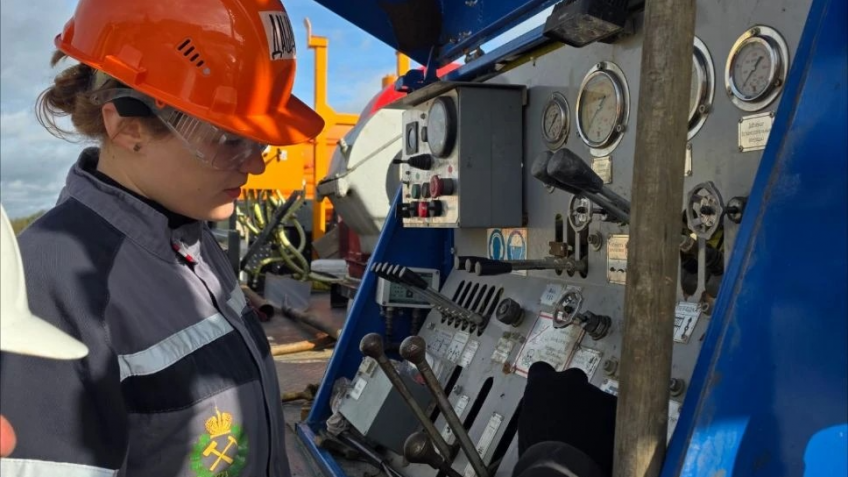
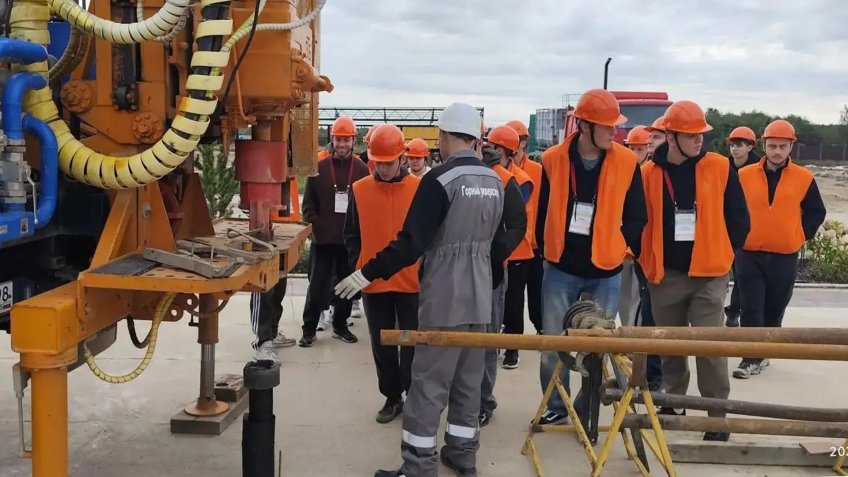
In Donetsk, full-scale practical training for students at a training site is difficult under the current geopolitical circumstances. In St Petersburg, they were able to consolidate their theoretical knowledge and see the latest technological developments in practice. The students did not simply observe professionals at work; they took part in the process themselves, working as drillers’ assistants on actual drilling rigs of various types (URB-2D3, PBU-51, and RS-90). Each rig has its own specialization, design, and field of application. Under the guidance of their instructors, the future engineers assembled drill strings: they put together the components, cleaned and lubricated the threads, and worked with the tools. They then lowered the drill string into the well and observed the drilling process and core recovery.
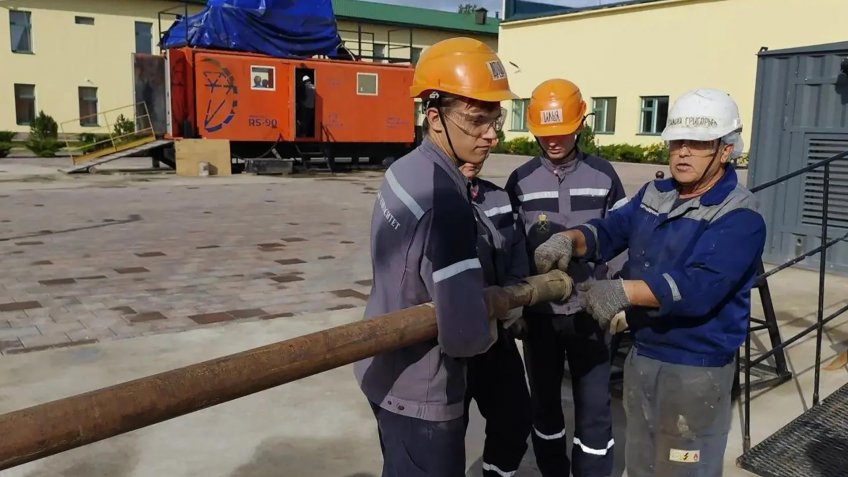
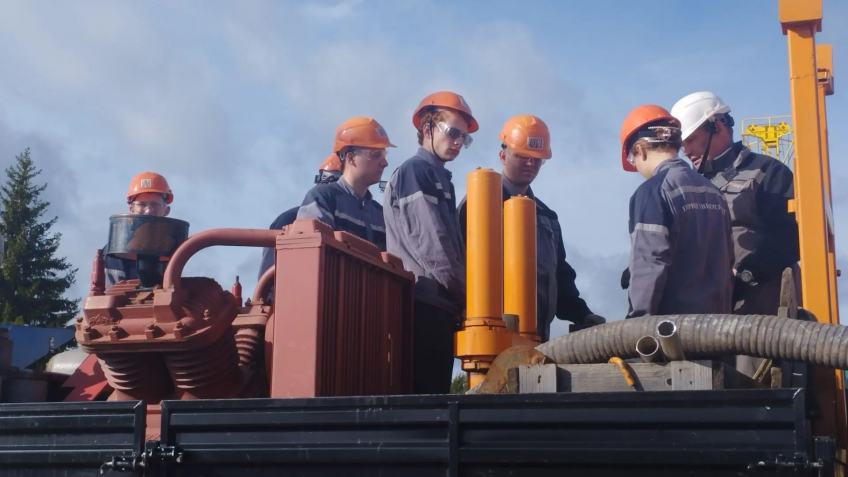
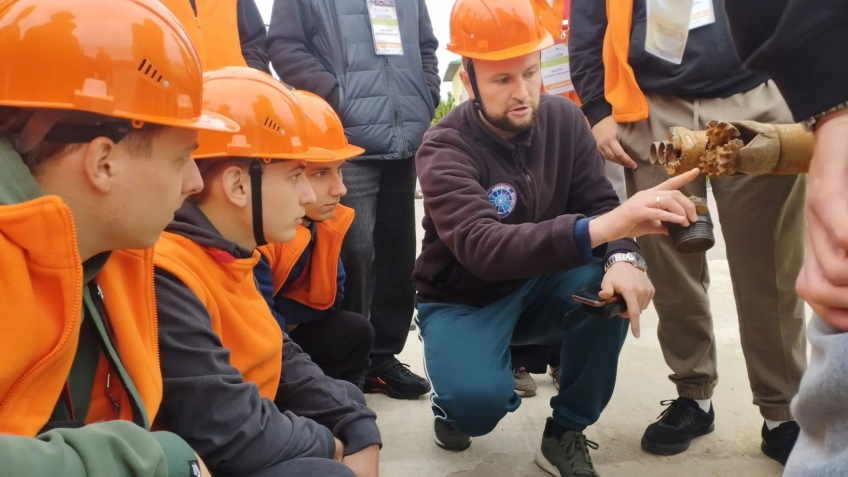
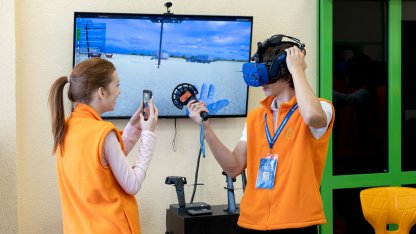
— Before this, I had only worked with the URB-2.2. They are similar, but each rig has its own nuances. Thanks to our instructors, who explained everything clearly, we quickly got to grips with the tasks. It was invaluable experience. After all, seeing a picture in a textbook is one thing, but working with real equipment is quite another. They demonstrated the assembly and disassembly of wireline core barrels (WCB) with a wireline retrieval system and explained how overshots work — we even tried operating them ourselves to retrieve the core barrel. The simulators were also impressive, including both the blowout preventer equipment and computer-based simulators. We asked questions such as, ‘What should we do if a valve on the simulator fails to operate?’ The senior driller explained that the system is duplicated and that a student must know the response procedure precisely in order to prevent pressure fluctuations and emergency situations, — recalled Artyom Meleshenko, a fourth-year student at DonNTU.
Summer Schools at Empress Catherine II Saint Petersburg Mining University are organized jointly with the International Competence Centre for Mining Engineering Education under the auspices of UNESCO. The project was launched in May, and over the course of two and a half months, the University hosted around 400 Russian and international students from 22 universities.