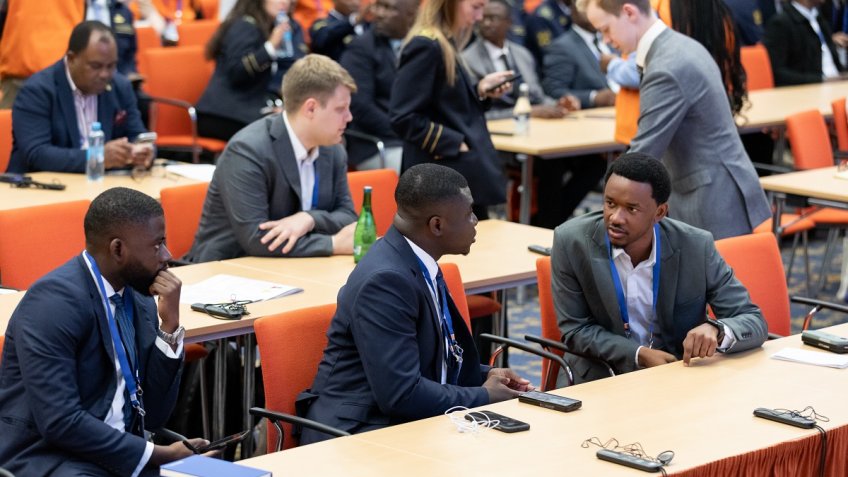
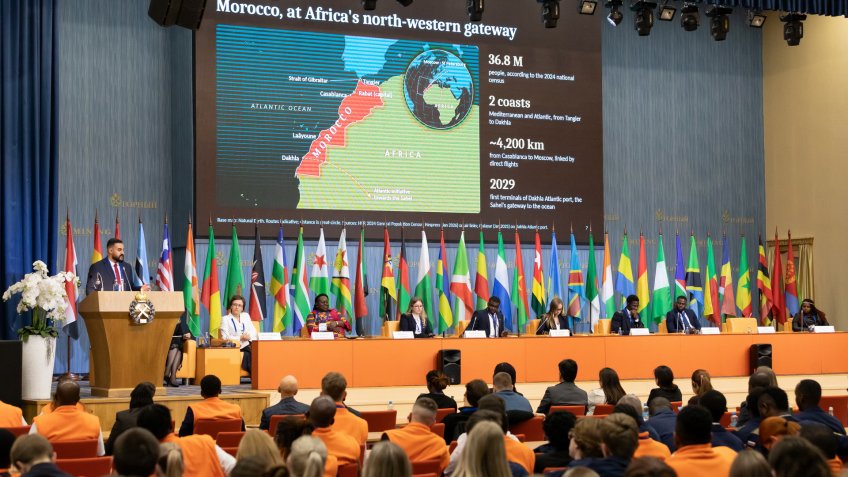
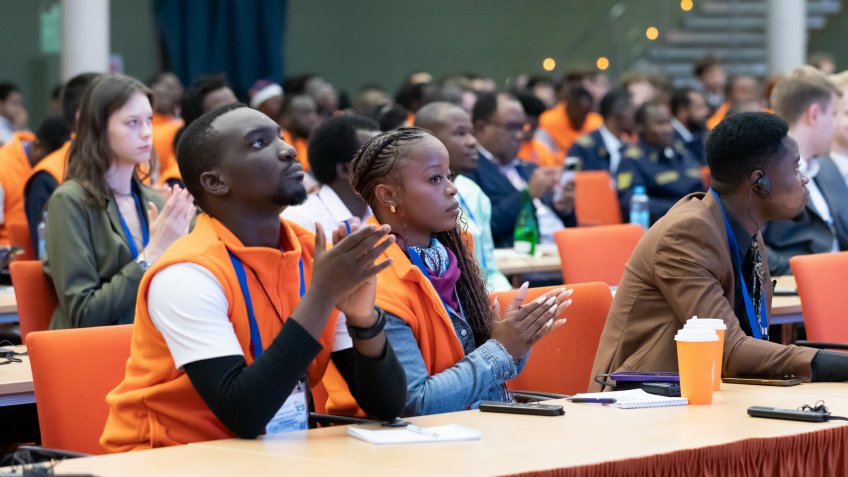
What kinds of engineers does the world need today, who will train them and how, and what are young researchers focusing on? These and many other questions were discussed at a round table at Empress Catherine II Saint Petersburg Mining University. Held as part of the Russian–African Forum of Young Scientists, it brought together more than 500 participants: students, postgraduate researchers, and representatives of universities, scientific communities and public organisations from Russia and African states.
The event is organised by Mining University’s International Competence Centre for Mining Engineering Education under the auspices of UNESCO and is held under UNESCO’s auspices. According to Elena Galaktionova, Secretary-General of the Commission of the Russian Federation for UNESCO at the Russian Ministry of Foreign Affairs, Africa is currently one of the organisation’s main priorities.
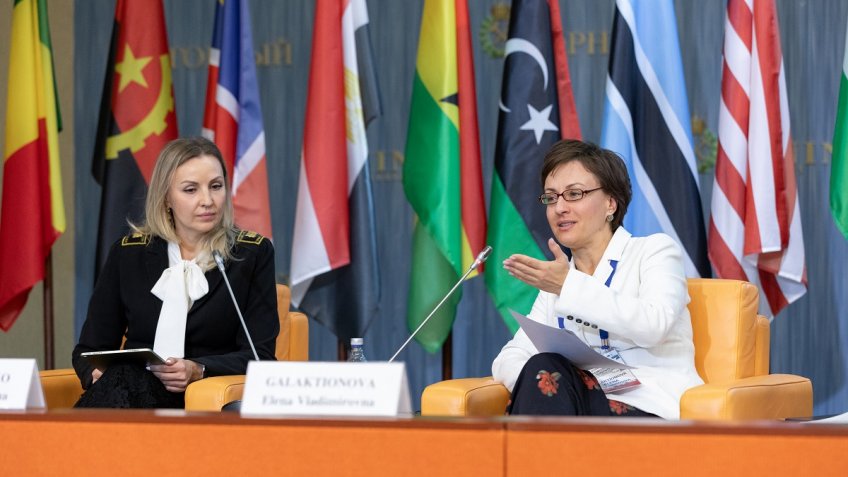
- The continent has abundant and unique natural resources, but it has yet to make full use of this advantage. The key problems are illiteracy among the population even at primary school level, a lack of equal access to education at all levels, and unequal access to technologies. Educational programmes need to be harmonised and personnel trained systematically, especially in mining engineering. This will help the continent strengthen its own sovereignty in matters of skilled personnel.
Under these circumstances, assistance from Russian universities is essential. Demand among Africans for Russian engineering education is exceptionally high, as demonstrated by the number seeking to study in Russia on both state-funded and fee-paying places.
- Russian Government quota places are particularly sought after. Competition in some countries reaches 100 applicants per place. Despite logistical difficulties and high living costs, young people are keen to come to us. They receive a high-quality education, and their subsequent paths vary: some stay in Russia, some return home, and others build careers in other countries. In any event, this is an important area in high demand, - Galaktionova noted.
Her words are supported by Alexander Novikov, Chairman of the Council of Young Scientists at the Institute for African Studies of the Russian Academy of Sciences. More than 37,000 African students are currently studying in Russia, over 5,000 quota places are allocated annually, and a grant system is available to winners of the Open Doors Olympiad. However, Russian quota places focus on lengthy higher education programmes lasting 4–6 years, whereas the labour market needs short programmes with a practical focus, he pointed out. As a result, around 80% of working Africans acquire their skills “informally” or through practical work. Another problem is the “brain drain”.
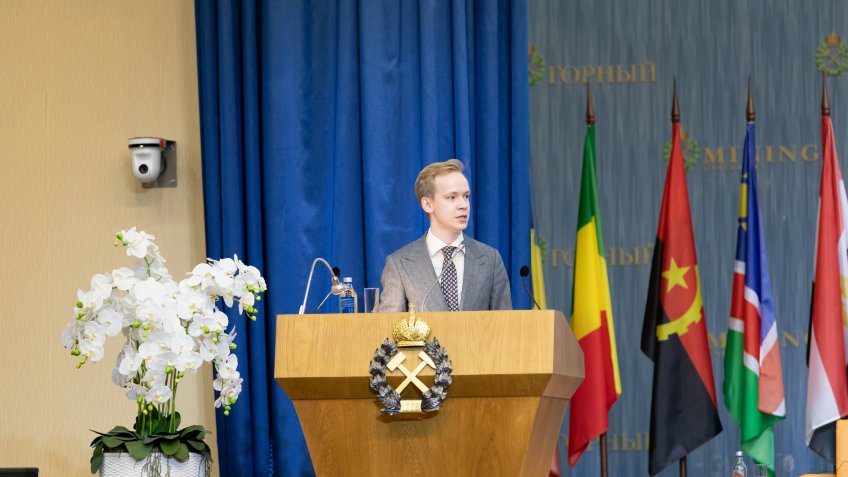
- Targeted training agreements with African ministries and companies should be introduced more actively. This guarantees students the opportunity to apply their competencies at home, and their countries an inflow of qualified personnel, - Novikov stated.
Doumbia Lassana, a student at Mining University’s Faculty of Mining, discussed his experience of studying in Russia and the advantages and shortcomings of educational cooperation between Russia and Africa. In his home country, Mali, mining has been and remains a key sector of the economy. The country produced 48 tonnes of gold in 2025, making this the sector that determines demand for engineering personnel. Training qualified specialists is no longer simply an economic issue, but a matter of survival. The student added that laws have already been adopted in the region requiring mining companies to recruit and train local specialists, gradually replacing foreign personnel. Similar reforms are being implemented in several other countries, including Burkina Faso, Guinea and Nigeria. This opens up new opportunities for students while presenting the education system with new challenges.
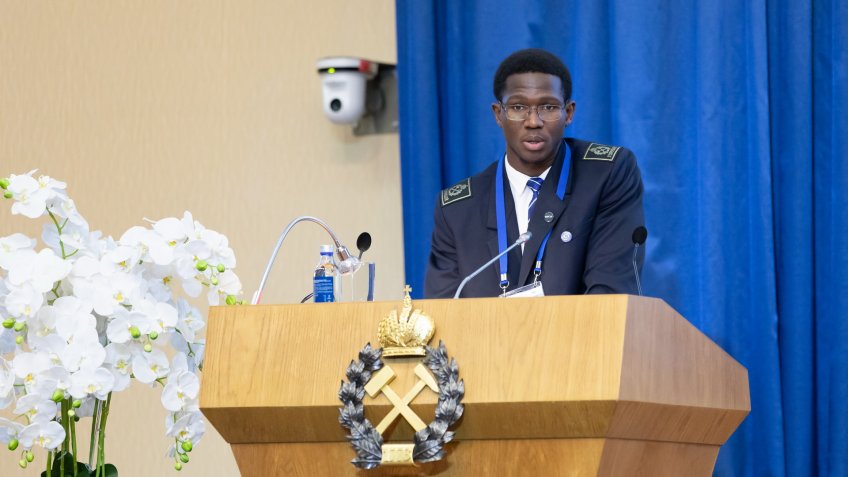
- I came to Russia three years ago without knowing the language. I learnt it in six months and enrolled at Mining University. Practical training here begins in the first year. After my second year, I undertook training at the Kirovsk Branch of the Apatit mining and beneficiation complex, worked in a mine and gained a Grade 3 mineworker qualification. First I became a worker, and then an engineer. This is the right approach: learning the profession through practice as well as books. Russia is now reviewing its education system, and my University is at the forefront of this process. The essence of the reform is not the names of qualifications, but the country deciding for itself which specialists it needs and organising its training system accordingly. This is precisely the principle we all need, - Doumbia Lassana told the Forum participants.
Nevertheless, shortcomings remain in the existing education system, the student pointed out. On returning home, graduates from his country are unfamiliar with local industrial operations, struggle to find employment because they have no links with employers and do not know where they are needed, and face a language barrier: international companies operate the mines, so they also need to know technical terminology in English.
- I propose three solutions. First, organise joint practical training for Russian and African students at enterprises in Africa. Second, strengthen the training: introduce an advanced course in technical English so that graduates of the Russian education system can compete in the international market. Third, a return programme: specifically, a model of targeted education. A company supports a student during their studies, and the student is required to work for that company after graduation. We need to create a graduate database and establish a mentoring system in which those who have already returned and work at our mines become mentors to new students. Scholarships, practical training and employment will then form a single chain.
These and other proposals from young people will be sent to UNESCO in an open letter following the Forum.
What Else Concerns Young Africans, and Why Have They Come to the Forum in Saint Petersburg?
Benita Ndokolo is a student at the University of Kinshasa, one of the three leading universities in the Democratic Republic of the Congo. His research interests include agriculture, improving the efficiency of the agro-industrial sector, and mineral resource processing. His country’s problem is not unique: as in many other states on the continent, its abundant natural resources are extracted and exported rather than processed locally. To use natural wealth effectively, it is critically important to train professionals capable of converting raw materials into finished products.
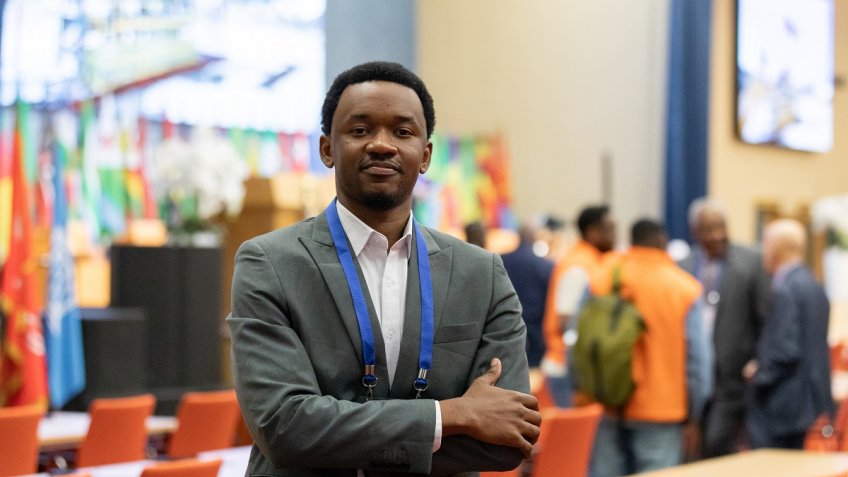
- My aim in coming to the Forum of Young Scientists in Saint Petersburg is to find and negotiate with potential partners in Russia to implement joint educational and technological programmes. This could take the form of an educational platform or collaboration, or academic cooperation with Russian universities,” the young man explained.
His fellow participant, Zimbabwean student Chioneso Elizabeth Mtakiwa, is studying chemistry with a specialisation in mining at Manicaland State University of Applied Sciences. Lithium and diamond extraction is developing rapidly in her country, but the mining industry faces serious challenges: illegal mining, difficulties finding employment for graduates, low pay, and stringent licensing and environmental certification requirements. She has brought to Saint Petersburg a research project examining the impact of mining on water resources and the environment of the region along the Zimbabwe–Zambia border.
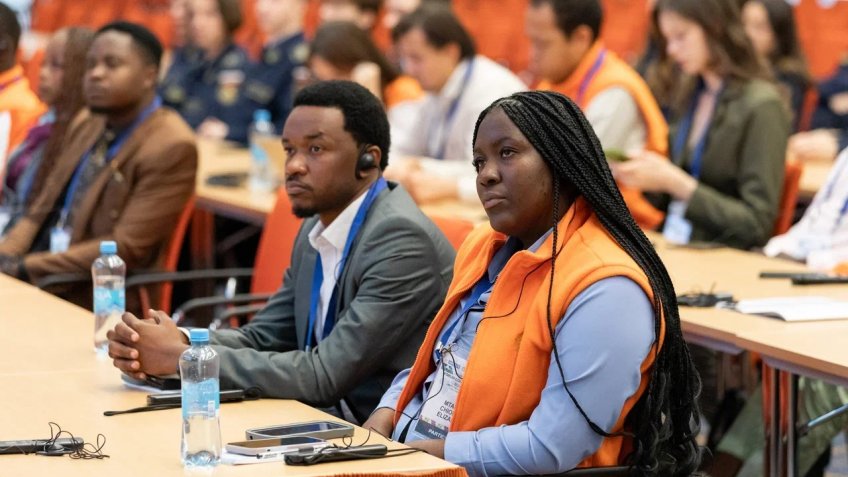
- My principal aim is to find solutions that will help reduce the adverse environmental impact of mineral extraction and protect local people’s drinking water. I want to establish contacts with other young scientists to exchange professional experience and learn about innovative new approaches to addressing environmental problems, - the participant said.
Over the next two days, the Russian–African Forum of Young Scientists will continue with project defences in 11 fields, including oil and gas engineering, geology, mechanical engineering, chemistry of the future and raw materials diplomacy.
For competitors, this is an opportunity to make themselves known, conclude agreements with industrial partners, arrange student exchanges and receive an invitation to join the Russian–African Association of Young Engineers. The authors of the best projects will receive awards. Additional recognition will be given for innovative technical implementation and a project’s promising commercial potential.
Forpost will describe the projects in greater detail in an upcoming article.
An extensive educational and cultural programme also awaits participants, including case studies, masterclasses, business simulations and quizzes.