
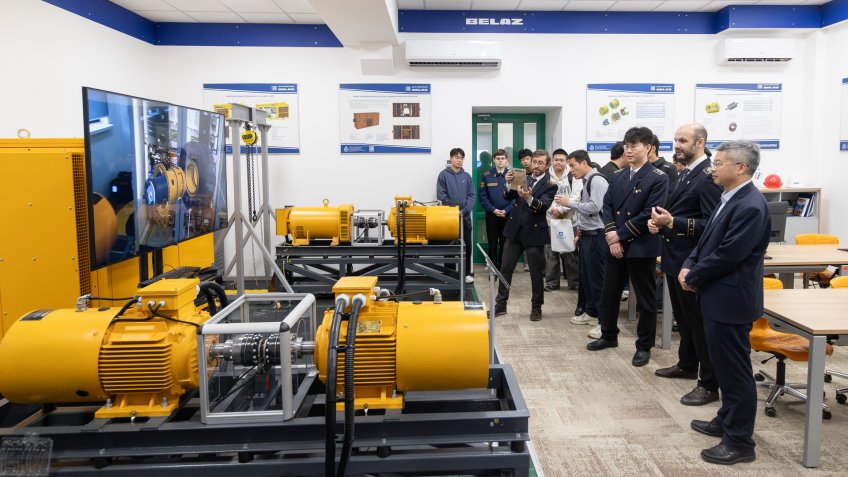
A delegation from China University of Geosciences (Beijing), including lecturers and students, arrived in Saint Petersburg to learn about the facilities and equipment at Empress Catherine II Saint Petersburg Mining University. This was more than a tour: it was a short training placement aimed at acquiring practical skills. The visitors were primarily interested in the technological training sites and their use in teaching.
In China, the shared use of training sites by universities is an increasingly popular mechanism for cooperation between educational institutions, corporations and technology parks. It allows students to practise their skills in conditions as close as possible to those of the workplace. This practice is particularly widespread among technical universities in fields such as IT, engineering, electronics and the Internet of Things. There is an important qualification, however: the right of ‘outside’ users to access a particular site depends fundamentally on its type.
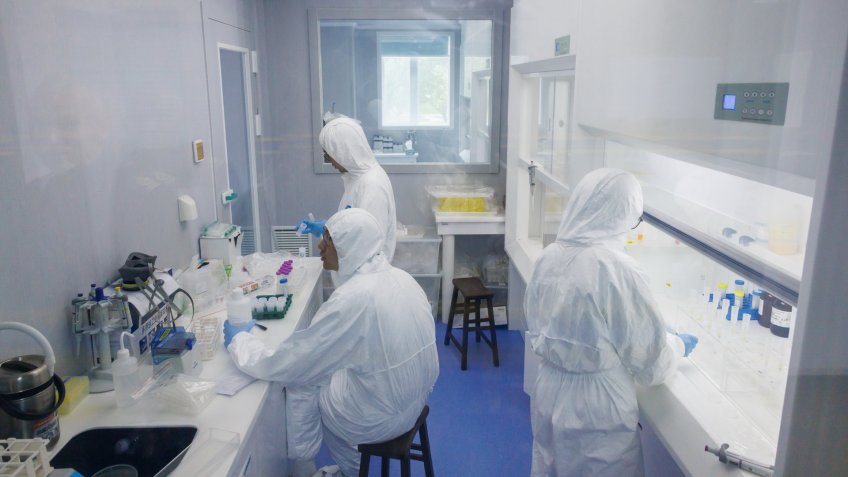
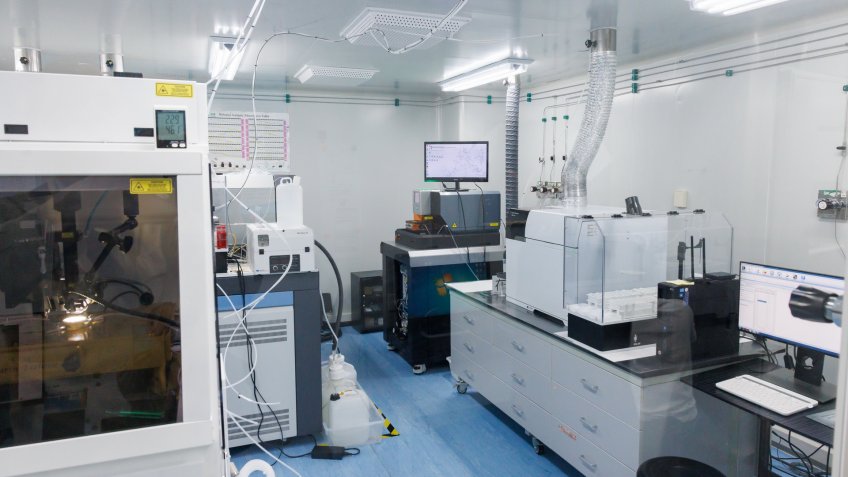
Virtual and digital testbeds are effectively a nationwide resource. Access across universities is a basic principle of government policy rather than an exception. Since 2013, China’s Ministry of Education has been developing an integrated system of virtual simulation experiments specifically as a shared resource: universities undertake to ‘open and share’ teaching laboratories within their own campuses, across their regions and beyond. The national iLAB-X platform brings together 2,672 universities across the country and has more than 13 million participants. To conduct research, users simply need to register on the platform. By the end of 2022, 3,363 virtual experiments had already been uploaded, including 480 medical experiments.
This means, for example, that a medical student from Anhui, a chemistry student from Jiaxing and an engineer from Yunnan can freely use online testbeds belonging to other institutions, enabling their universities to optimise the targeted use of funding without compromising the quality of student training.
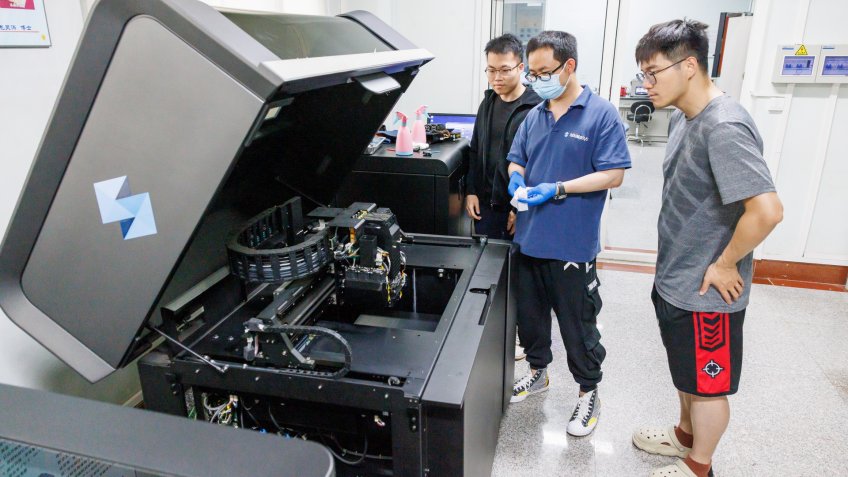
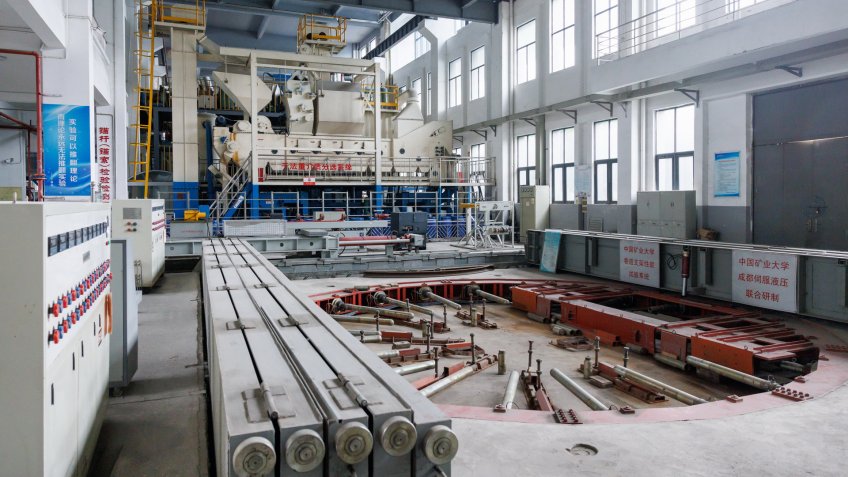
Physical training sites do not provide universal, automatic access: test benches, testing facilities and industrial sites are directly tied to the university that owns them. Other educational institutions can use them only through cooperation agreements between partner universities and through university associations whose members conduct academic exchanges. It is not possible simply to turn up at another university’s training site.
Access to shared infrastructure is often provided for a fee. Although basic educational training sites in China are, in principle, a free resource, charges arise where the ‘public function’ ends, and a service begins: unique, expensive research equipment, bespoke training for a particular customer, content licensing or programmes involving on-site practical training for foreign universities. For example, research centres at centrally administered universities have more than 48,000 major instruments, each of which was used for outside commissions for an average of over 200 hours a year under a cost-recovery model.
In other words, a university does not ‘sell’ the training site itself, but contractual access to it, with hourly charges, support and similar arrangements.
In addition to waiting lists for access to its own training sites, China faces another problem: acquiring practical industrial skills. Curricula for future engineers provide too little practical training at enterprises and mines, and often none at all.
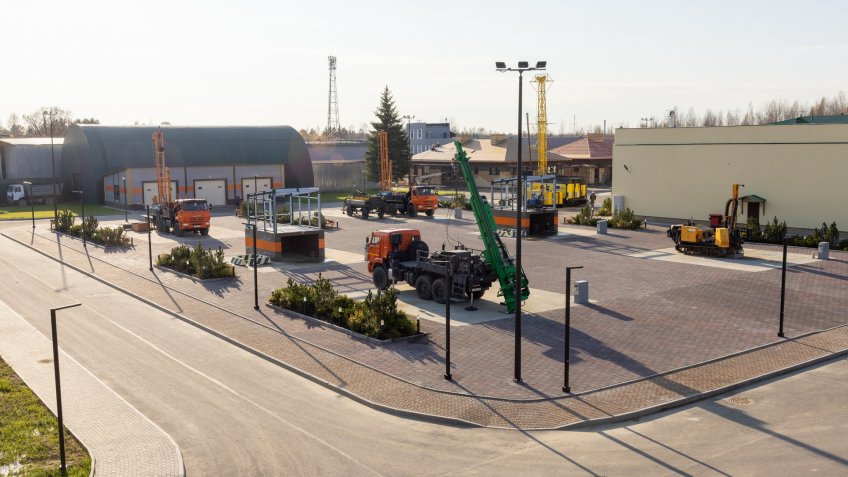
The leadership of China University of Geosciences (Beijing) specifically requested practical training for its students at the Sablino-Gorny Research and Education Centre for Technological Facilities.
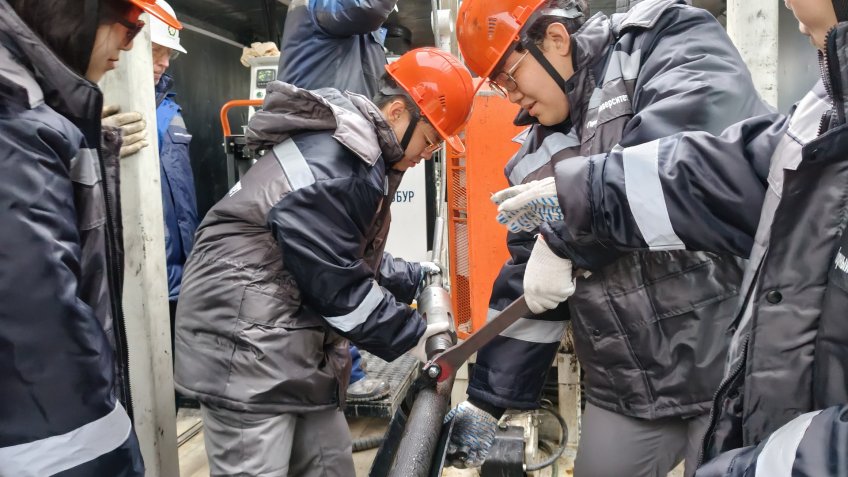
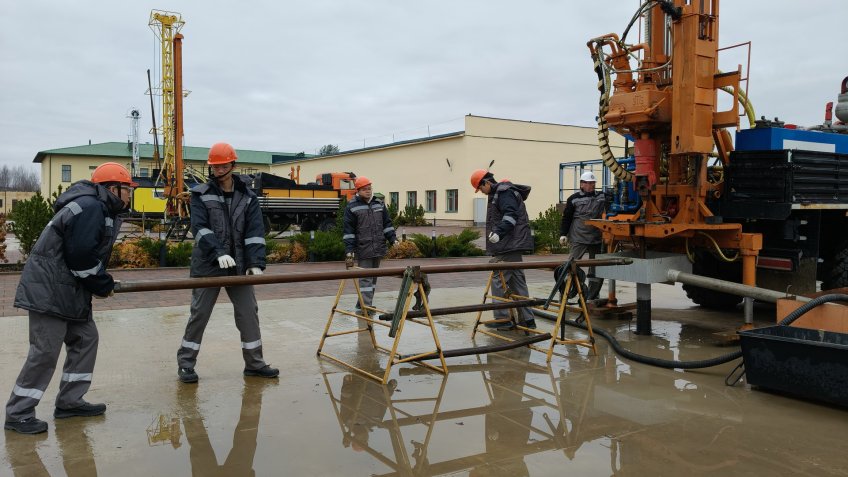
The range of facilities at the site is indeed unique. Mining University students hone their professional skills here, acquiring competencies in oil and gas, energy, geology and general engineering, and qualifying in skilled trades.
Using three training and testing well models and an MBU-125 drilling rig, future engineers practise kick control and well killing and carry out tests. Students also have access to modern equipment, including mobile drilling and workover rigs. In 2025, four core drilling rigs were purchased, including for use in Antarctica, along with two oil drilling rigs with high hoisting capacities.
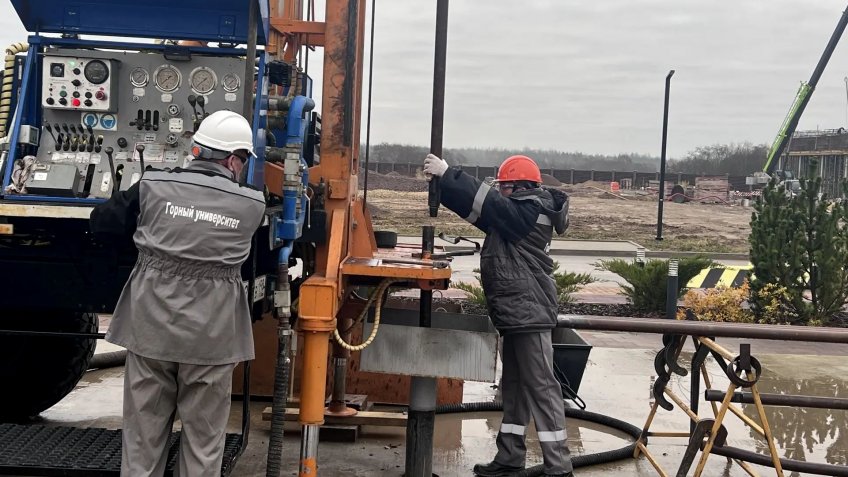
In addition to practical training at Sablino, the visitors worked in the laboratories of the Geological Exploration Faculty and at the Kavgolovo geological and geophysical training site. They also attended lectures, including on the annual research undertaken by Mining University scientists in Antarctica.
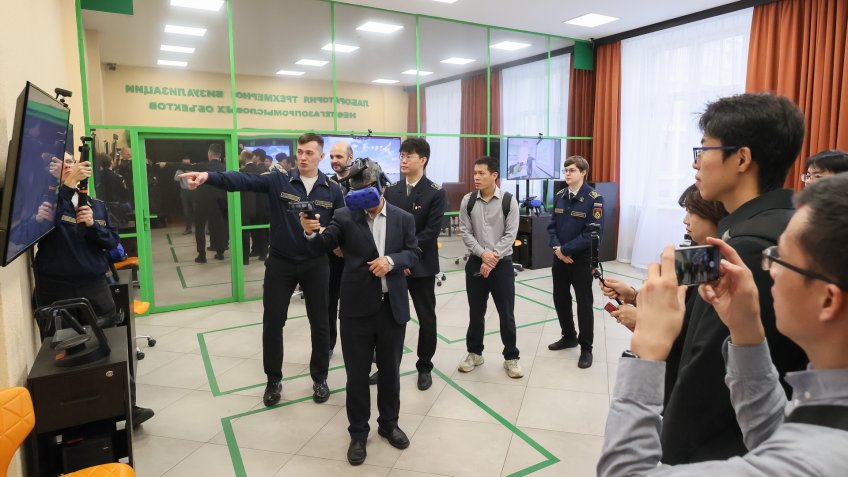
The delegation was led by Changchun Zou, Dean of the School of Geophysics and Information Technology at China University of Geosciences (Beijing). He was the first Chinese scientist to use an unmanned aerial vehicle to conduct electromagnetic sounding of subglacial bedrock in Antarctica, is a participant in the Songliao Basin deep drilling project involving the Songke-2 well, and serves on the editorial board of the well-known Chinese journal Site Investigation Science and Technology. He has experience at three ultra-deep drilling sites, at depths of 5, 7 and 11 km.
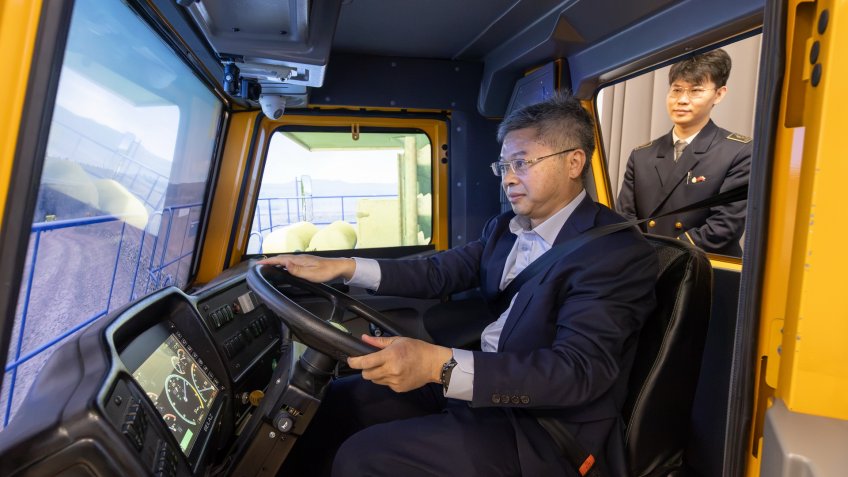
«We have worked with Mining University for a long time, follow its scientific achievements and have heard much about the professionalism of its graduates. That is why, when we want to learn about modern Russian approaches to geophysics — particularly seismic exploration, deep and ultra-deep drilling — and strengthen our students’ skills in these areas, we come specifically to Saint Petersburg. Today, Mining University’s infrastructure fully meets 21st-century standards, while its system of industrial placements gives young people the opportunity not only to observe the complete cycle of technological processes, but also to carry them out themselves», - said Changchun Zou, assessing the effectiveness of the placement.
For Mining University itself, this interaction matters in three areas: inbound mobility, building its reputation and research cooperation. Partnerships with specialist universities around the world allow the institutions not only to follow one another’s scientific developments, but also to work in direct contact.
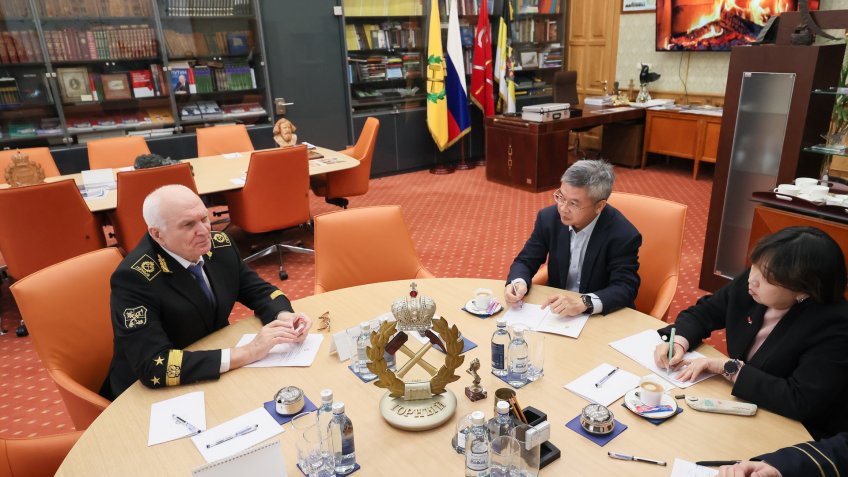
«Our university has contributed to the study of Antarctica for many years. Back in 1992, together with Boris Kudryashov, the founder of the Soviet school of drilling thermophysics and head of Mining University’s Antarctic research, I delivered lectures at your university on melt drilling and drilling in challenging conditions. Since then, we have come a long way, conducting research, accumulating scientific data and setting world records. Today, we are carrying out the project ‘Integrated Geological and Geophysical Studies of the Deep Structure of East Antarctica’ and drilling research wells in the Timan-Pechora oil and gas province. We are developing the equipment required. These are further strategic steps forward in studying the Earth’s deep structure and geological evolution. Today, specialists working in Earth sciences are in greater demand than ever before: people who are not afraid of real industrial work and fieldwork, and who have the skills to set up, operate and maintain advanced equipment. Training such engineers requires enormous investment in an effective learning environment. We strive to maintain this standard in everything we do, recognising that technology and resources guarantee the country’s sovereignty», - noted Mining University Rector Vladimir Litvinenko during the working meeting.
China follows the same strategy and therefore sends talented young people to study in Saint Petersburg every year.