VR Simulators, Well Drilling and Golden Autumn: What the Summer School at Empress Catherine II Saint Petersburg Mining University Was Like for Students from China
A Summer School for students from China University of Mining and Technology (CUMT, Xuzhou), a leading specialist university in China, has concluded at Empress Catherine II Saint Petersburg Mining University. The two-week course focused on modern technologies in the mining industry. One of the most sought-after specialisms in China is “Safety Science and Engineering”. Specialists in this field have an equally strong grasp of technology and fundamental engineering sciences, and can respond to emergencies, whether a mine accident or a fire in mine workings. At the students’ own request, the Summer School therefore placed its main emphasis on various aspects of protecting people and the environment from technological hazards.
- Chinese universities have a very strong theoretical and research foundation, but face difficulties in organising practical training at hazardous industrial facilities. Students are generally allowed into industrial enterprises only at the final stage of their studies, to collect material for their final-year project. Our programme provides them with a unique opportunity to acquire the practical skills they lack. China is the world leader in coal production (1.5 billion tonnes a year, compared with 300 million tonnes in Russia), and they are interested in absolutely everything: our approaches, specialists, laboratories and experience. The course was structured to make the material accessible and understandable to all participants, regardless of their initial level of preparation. A module on mine air and ventilation safety is also planned for the future and is currently being developed, - explained Grigory Karpov, who develops the Summer School programmes and is an Associate Professor in the Department of Underground Mining.
The delegation from Empress Catherine II Saint Petersburg Mining University spent nearly two weeks in the PRC. The trip was organized by the International Competence Centre for Mining Engineering Education under the auspices of UNESCO as part of the Summer School program.
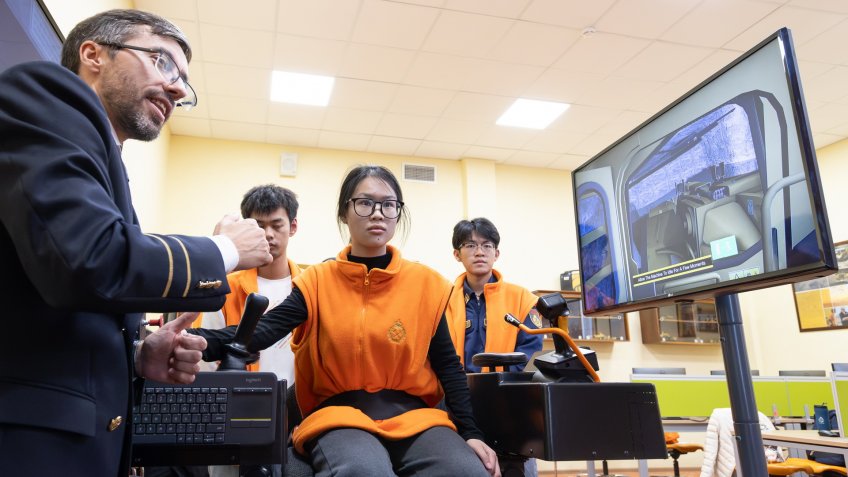
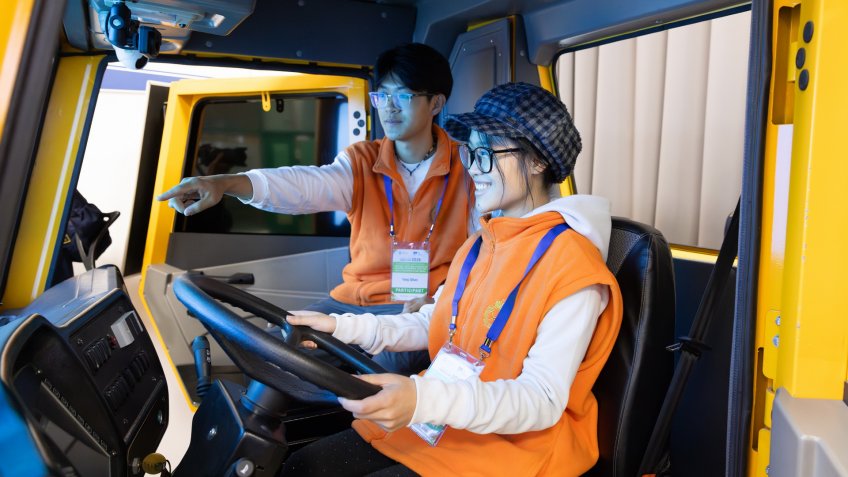
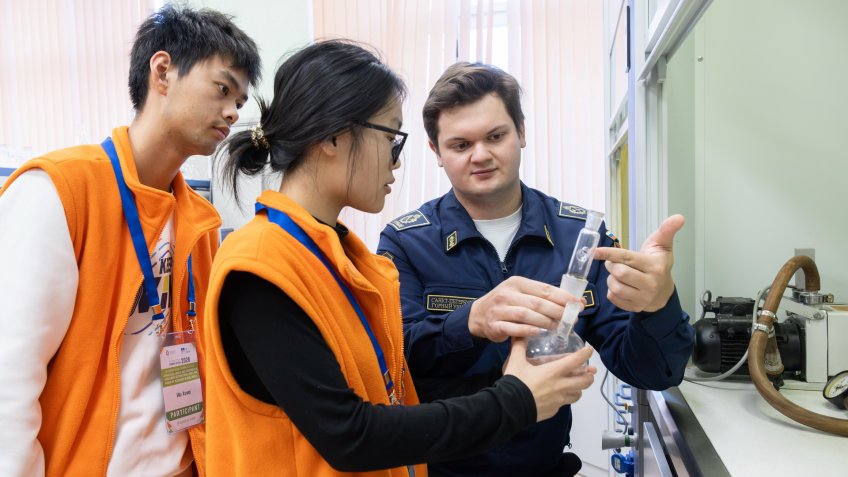
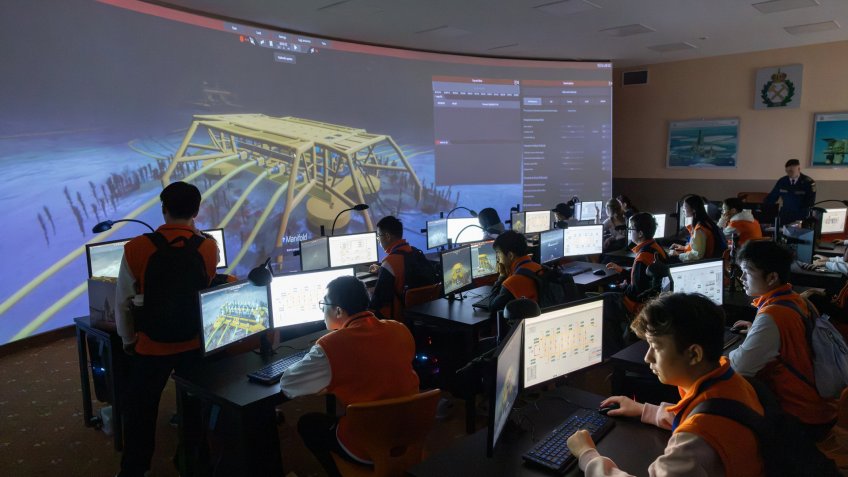
The programme combined theory — lectures on geomechanics, safety and digitalisation in mining — with practice: an introduction to modern approaches in mining and the acquisition of practical skills using training equipment and simulators that replicate real machinery.
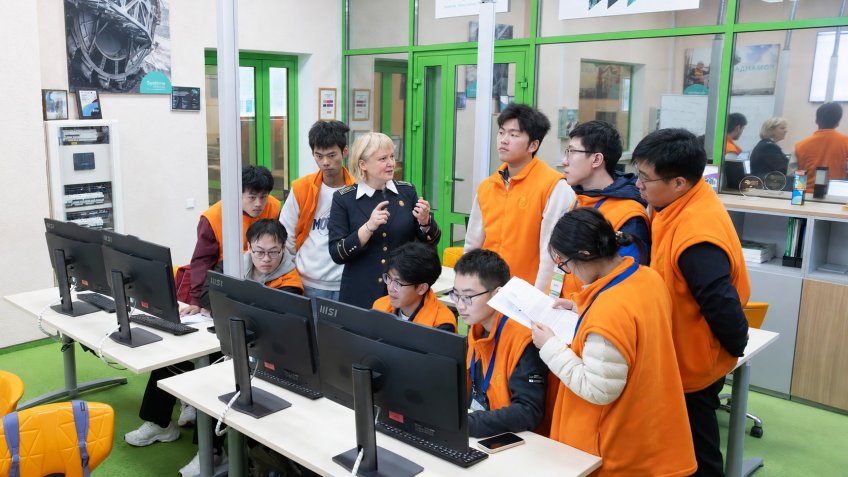
Particular attention was paid to digitalisation in the mining industry. During computer modelling classes, students recreated mining engineering systems: they varied the input data, analysed deposit reserves and optimised the operation of equipment and the enterprise as a whole.
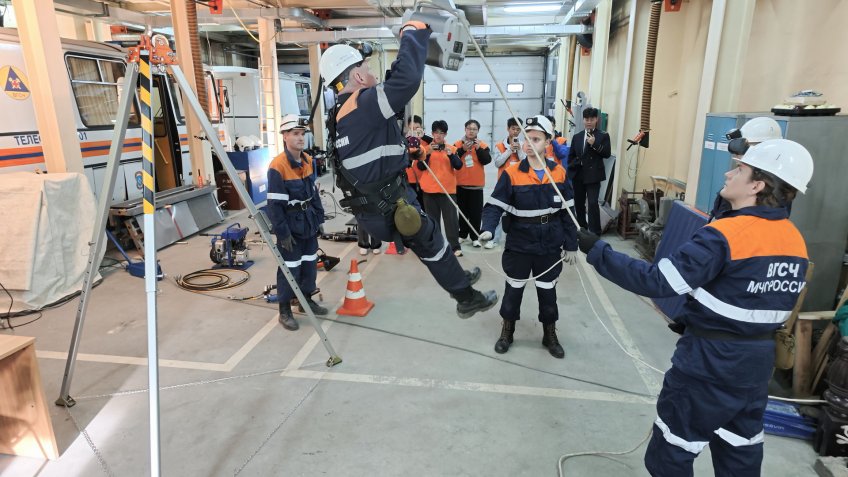
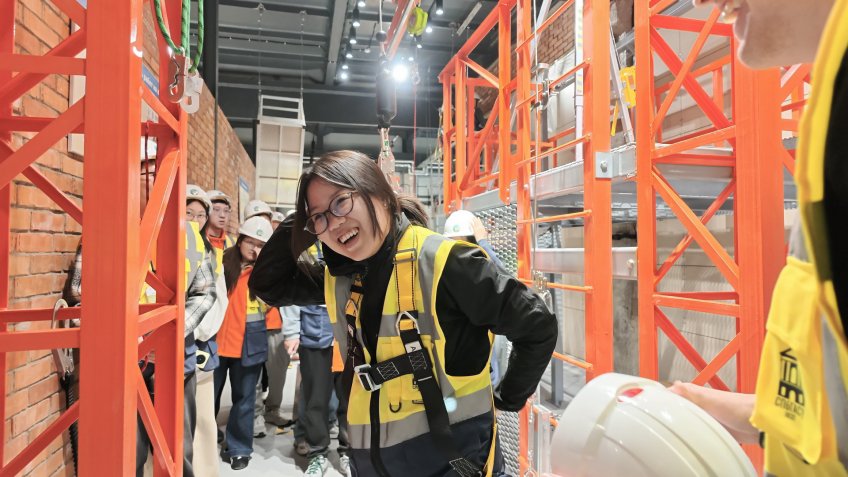
The Summer School participants spent a substantial amount of time on visits to training sites and industrial facilities, where they became acquainted with real technological processes and saw different sides of the mining industry. At the “ Smart Labor” training site, for example, they attended lectures and practical classes on working at height, fire safety and emergency procedures.
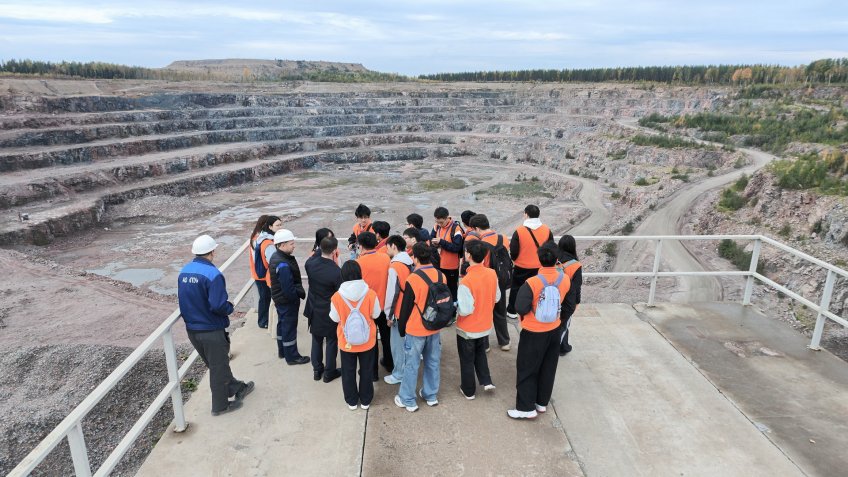
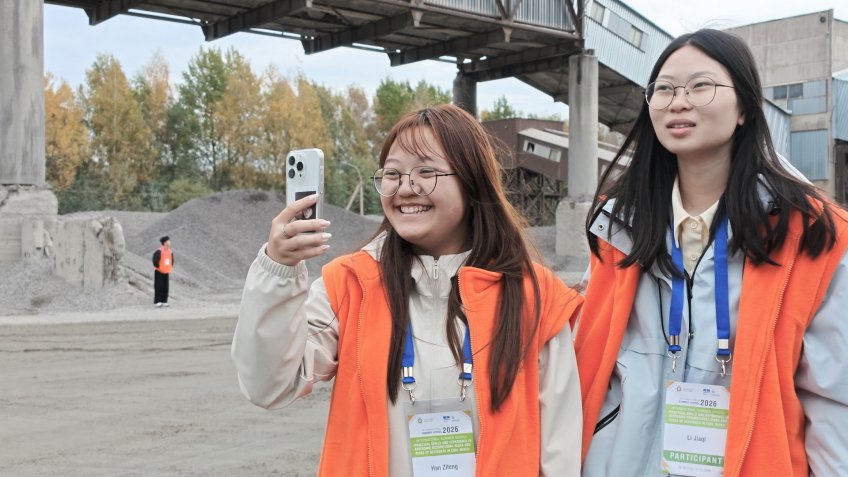
The Chinese students visited the Gavrilovskoye quarry in the Vyborg District of Leningrad Region, which produces crushed granite of various size fractions, crushed stone and sand mixtures, rubble stone and other construction materials. The young people toured the quarry and its crushing and screening plants, learnt first-hand about granite extraction and processing technologies, and discussed the environmental aspects of production. They even witnessed two large-scale blasts, which, of course, made a strong impression.
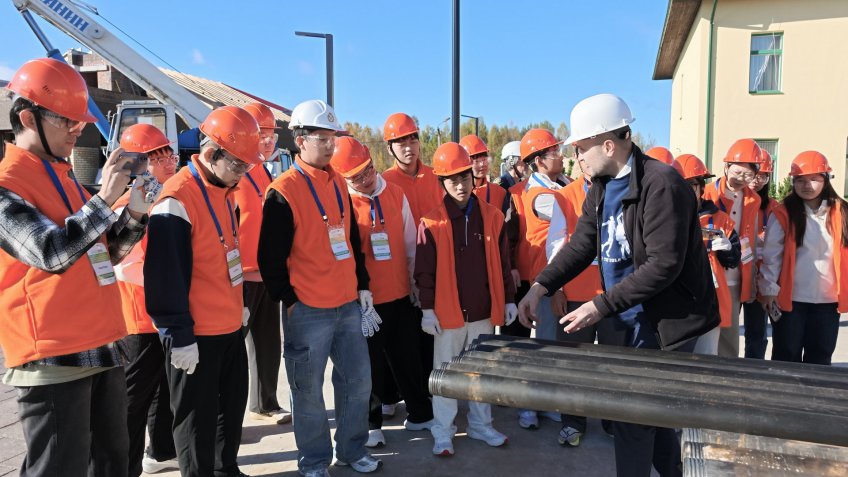
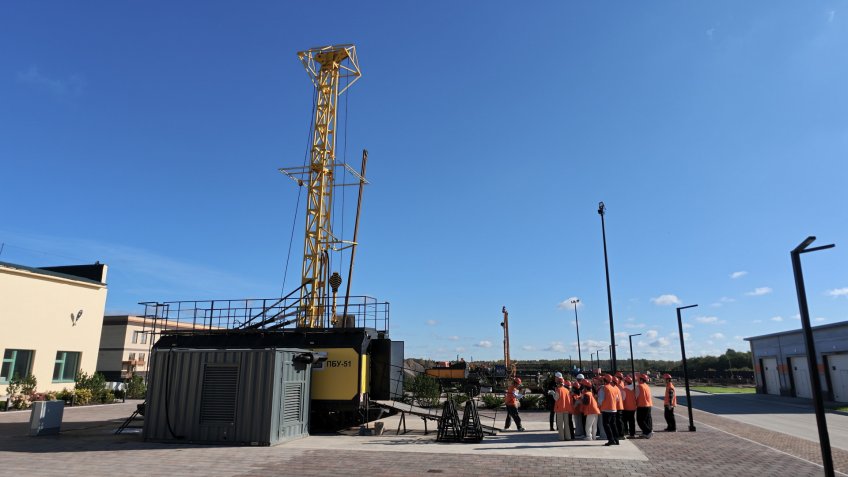
And, of course, the Summer School participants visited Mining University’s Sablino training and research facility. Students from various degree programmes receive instruction and practical training here, and new technologies and equipment are tested and trialled. The visitors were shown modern rigs, such as the RS-90 (a similar rig is used at Progress Station in Antarctica), and saw the “great-grandfather” of drilling rigs — the spindle-type KBU-51 — in operation. They also saw the URB-2D3 rig, where they were able not only to observe operations with “stands” (sections consisting of two lengths of drill pipe screwed together), but also to operate the hydraulic drive themselves, feeding pipes into the elevator.
- For the students attending this particular Summer School, drilling is not a core discipline: most were safety specialists and geologists. Nevertheless, the visit aroused keen interest among everyone. For many, it was their first opportunity to see in person what they had previously only heard about. As a rule, students, particularly those studying other disciplines, are rarely admitted to such facilities because of the high risks. Drilling, especially in the oil and gas industry, is a very hazardous industrial sector, where one wrong movement can result in serious injury. The opportunity to visit the training site, see how it is organised and learn about its development plans was therefore a significant experience for the students, - said Vyacheslav Kadochnikov, one of the Summer School coordinators and an Assistant Lecturer in the Department of Well Drilling.
CUMT student Lin Tianhui is in the third year of her “Technosphere Safety” degree programme. After graduating, she plans to work in emergency management agencies and protect the lives of frontline workers. She acknowledges that there is a substantial difference between the two institutions’ approaches to educating mining engineers, but her aim was precisely to “take” the best that Russia’s oldest technical university has to offer.
- At China University of Mining and Technology, the emphasis is on building a solid theoretical foundation, including subjects such as mathematical analysis, ordinary differential equations, and fluid mechanics. This gives us strong research capabilities and analytical skills. At Mining University, the curricula are closely aligned with the industry’s actual needs. What surprised me even more was that the University mentioned the possibility of students obtaining certificates and credits for completing relevant courses, which directly enhances our competitiveness for future work in production at industrial enterprises. Your University is a world leader in extraction technologies and the development of polar resources. This summer training programme not only gave me advanced professional knowledge, but also allowed me to see common ground between China and Russia in their approaches to mining technologies, - reflected Lin Tianhui.
Her fellow student Qihan Yang also shared his impressions:
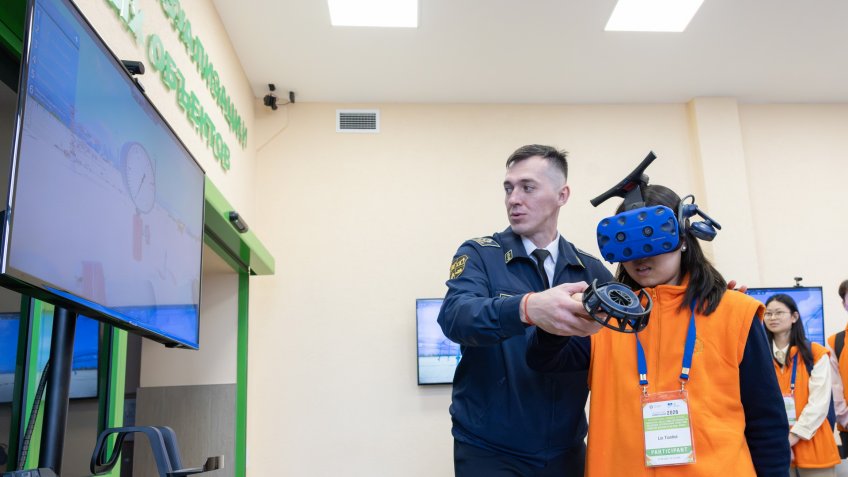
- The classes using VR technology were the most memorable for me. This will be useful in my specialism for identifying risks and practising emergency procedures. Visiting industrial enterprises made modern mining technologies clearer and more tangible to me. I gained a better understanding of how universities and industry can work together, and I will be able to bring this experience back to CUMT. I also appreciated the serious approach to teaching and the way theory is combined with practice. As my fellow student has already noted, at CUMT we pay more attention to theoretical foundations and systematic coursework. Here, at Mining University, teaching seems more practice-oriented, with VR classes and close links with companies. I would not say that either approach is better; they simply have different aims. I was also surprised that students wear uniforms every day: it looks very neat and dignified. As for Mining University’s rich history and the friendliness of its people, those speak for themselves.
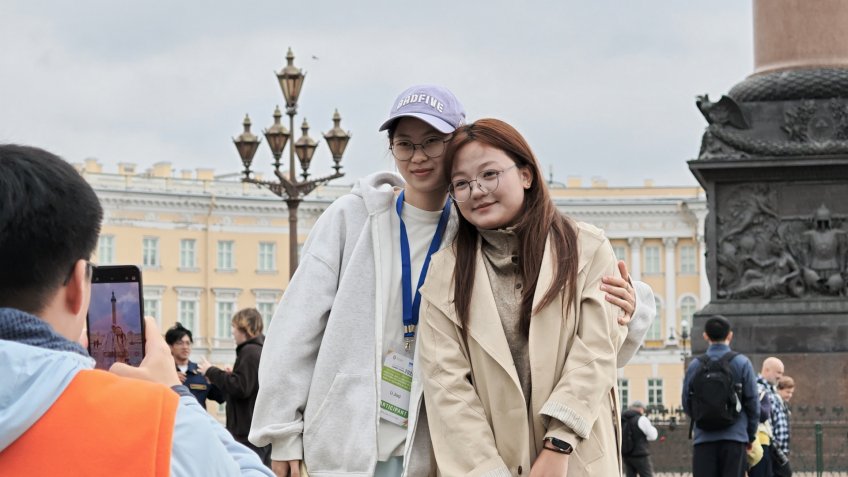
During the two weeks they spent in Russia’s northern capital, the visitors not only studied but also immersed themselves in the culture and traditions of one of the world’s most beautiful cities. An extensive programme of leisure activities was arranged for them: they visited the major museums and enjoyed the golden autumn in the city’s gardens and parks.
The Summer Schools at Mining University are organised jointly with the International Competence Centre for Mining Engineering Education under the auspices of UNESCO.
Продолжая использовать сайт, Вы соглашаетесь на обработку Cookie-файлов и принимаете условия Политики обработки ПД