
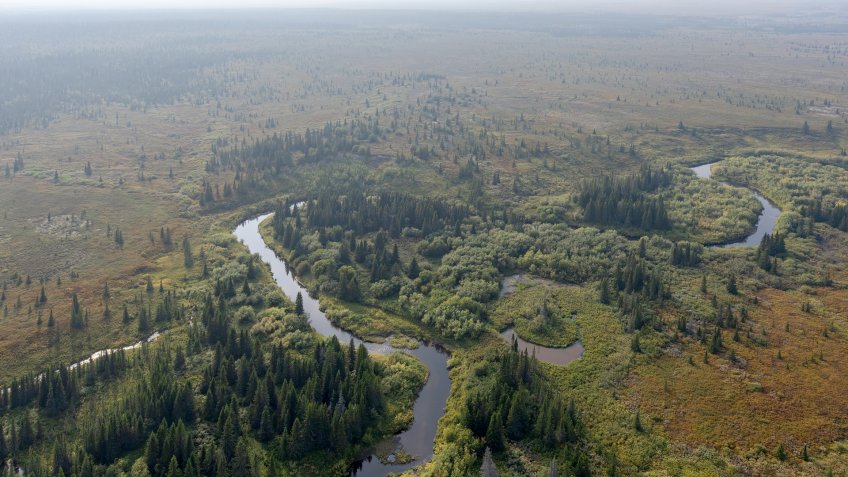
Oil, gas and coal account for only part of the Komi Republic’s wealth. The region’s subsoil contains reserves of bauxite, titanium, manganese, chromium, gold, polymetallic ores and rare-earth metals. Yet a substantial share of this potential remains unrealised: deposits of some raw materials have been insufficiently studied, while research into others has scarcely been undertaken.
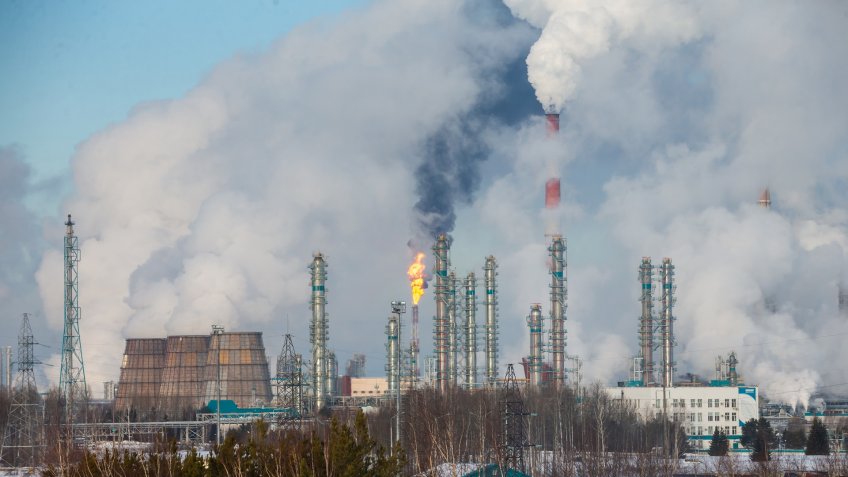
According to available estimates, the overall level of geological investigation of the region’s subsoil is around 50%. Turning the republic’s potential into real industrial projects requires new research, modern exploration technologies and qualified engineers.
Cooperation between the Komi Republic and Empress Catherine II Saint Petersburg Mining University is intended to help address these challenges. The cooperation agreement was signed in June 2026 by the Head of the Republic, Rostislav Goldstein, and University Rector Vladimir Litvinenko.

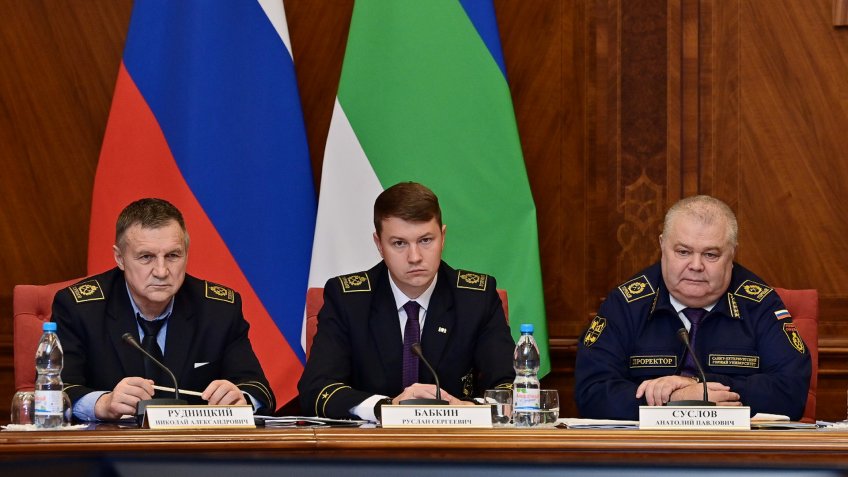
The next stage is to identify specific actions that will put the agreements into practice. To this end, a Mining University coordination group led by Vice-Rector Anatolii Suslov visited the Komi Republic. The programme included a working meeting with representatives of the regional government, educational institutions and research organisations, as well as visits to the region’s infrastructure. The outcome was the approval of a roadmap for 2026–2030.
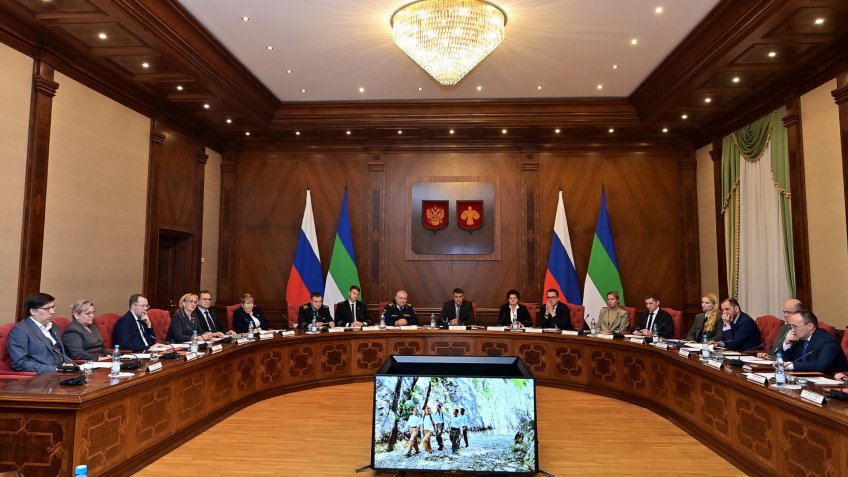
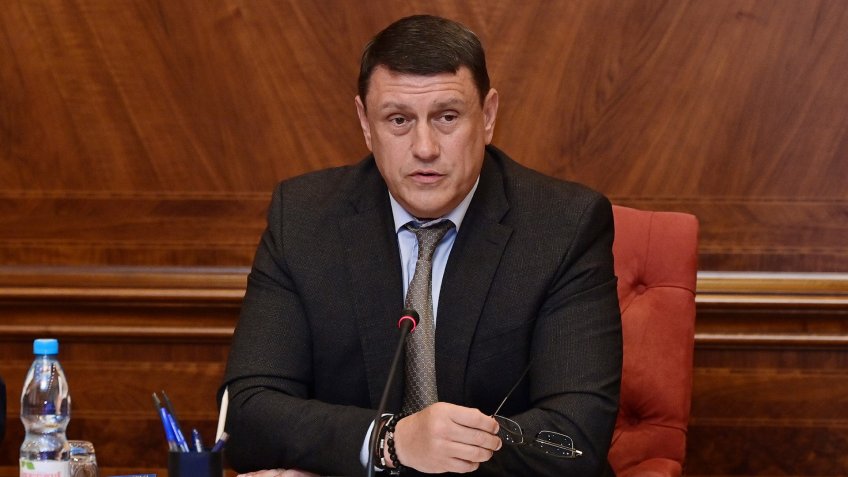
Dmitry Bratynenko, Chairman of the Government of the Komi Republic, noted the strategic importance of cooperation with Mining University for the region’s development.
«Partnership with the University is particularly important for the Komi Republic, a region with substantial mineral resources potential and major challenges in geology and technological development. The foundation for this cooperation has already been laid. It is now important to establish a systematic approach, bringing together the efforts of the University, the academic research community, industrial enterprises and government for the republic’s development. It is precisely this combination of competencies that will give the agreement real practical substance», – Dmitry Bratynenko emphasised.
The approved document covers three interconnected areas. One of the key priorities is the development of professional education. The republic needs engineers who possess practical skills as well as fundamental knowledge, are familiar with industrial processes, and are ready to solve real technological problems. The planned forms of cooperation include targeted training for young people from Komi at Mining University, industrial placements for students, jointly delivered educational programmes, and the training of research and teaching staff for regional universities through postgraduate research programmes.
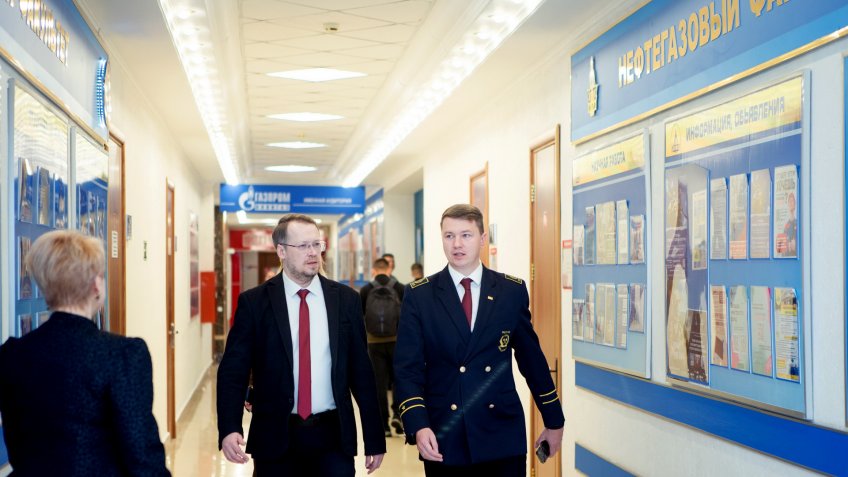
Ukhta State Technical University (USTU) will be a key partner in this work. USTU is Komi’s largest technical university, with around 6,000 students. Historically connected with the development of the region’s oil and gas industry, it trains specialists in the operation and maintenance of oil production facilities, the design and operation of gas and oil pipelines and storage facilities, and oil and gas well drilling technology.
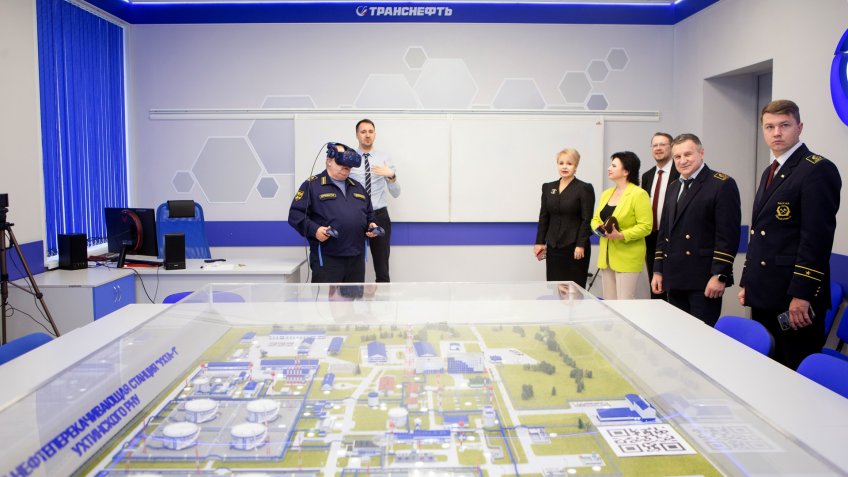
The similarities between the two universities’ educational profiles create opportunities to exchange experience and share research and practical training infrastructure. USTU is interested, for example, in having its students undertake practical training and qualify in skilled trades at Mining University’s teaching and research bases.
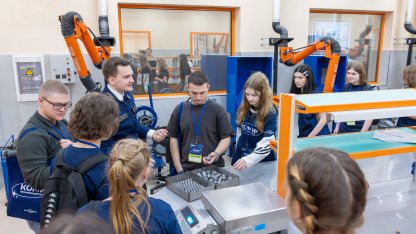
«One of the requirements of the pilot project to improve the quality of engineering education is extensive practical training. Every graduate must qualify in two skilled trades of their choice. This can be done during classes at our teaching and research bases. We have five in total: four in the Leningrad Region and one in the Republic of Crimea. At Sablino, for example, students qualify as drilling rig operators, assistant drillers, laboratory sampling technicians, oil and gas production operators or well testing operators. In Crimea, they acquire practical skills in geology, hydrogeology, mineralogy and geophysics. This approach allows us to train specialists who enter industry with real work experience already behind them», – said Anatolii Suslov, Vice-Rector for Operation and Development of the Property Complex.
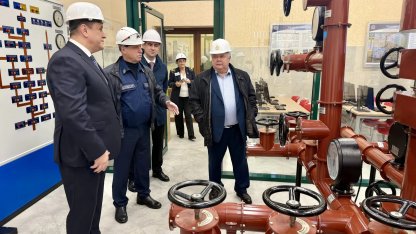
The Komi Republic, in turn, has unique geological sites of interest for the training of future engineers. Ivan Lebedev, Adviser to the Rector of USTU, highlighted the educational opportunities offered by the area around Ukhta.
«The university in Ukhta is located in a very interesting place from a geological perspective: the Ukhta well in the Timan-Pechora Ridge. The Domanik Formation, one of the country’s best-known source rock sequences, crops out here. The geological field courses we run for our students, including geological mapping and geodetic surveying, are unique, and we would like to offer them as a resource for mutual exchange and the enhancement of competencies», – Ivan Lebedev noted.
Training an engineer is only part of the task. It is equally important to create conditions that encourage young graduates to return to their home region and apply their knowledge at local enterprises. A separate area of the roadmap focuses on work with young people and strengthening ties between students from the north studying in Saint Petersburg and the Leningrad Region and their home region.
Mining University currently has 107 students from Komi. Each year, several applicants are admitted through targeted admission. Around 20 students a year undertake placements at enterprises in the republic, including VorkutaUgol and Gazprom Transgaz Ukhta.

«Our task is to ensure that students enrol, study and return to work in their home region. We already work with enterprises in Komi where the students undertake placements. The current figures can be increased: there is no need to invent new mechanisms here; it is important to continue working together», – emphasised Ruslan Babkin, Deputy Vice-Rector for General Coordination.
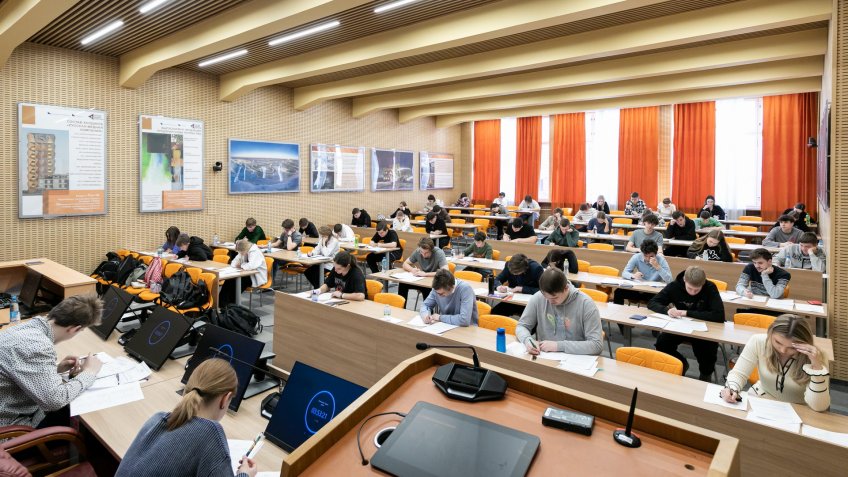
One existing form of this work is the ‘Komi: A Region of Action’ career forum held at Mining University. It brought together students who had come to Saint Petersburg to study, representatives of regional government bodies and major employers from the country’s north. For future professionals, this is an opportunity not only to demonstrate their abilities but also to see real career prospects in their home region. Following the forum, participants were issued 150 certificates for internship placements.
A proposal was made to hold the forum regularly and, alongside this, to develop cooperation with schools and encourage talented schoolchildren to take part in the ‘School Leader’ selection programme for motivated applicants and the ‘Granite of Science’ Olympiad.
Cooperation in science and innovation is primarily associated with implementing a scientific and technical programme developed by Mining University to investigate in depth the genesis of typical Earth structures. A major research project is currently under way in the Timan-Pechora oil and gas province in Komi: drilling wells with planned final depths at least 2,000 m below the Devonian deposits.
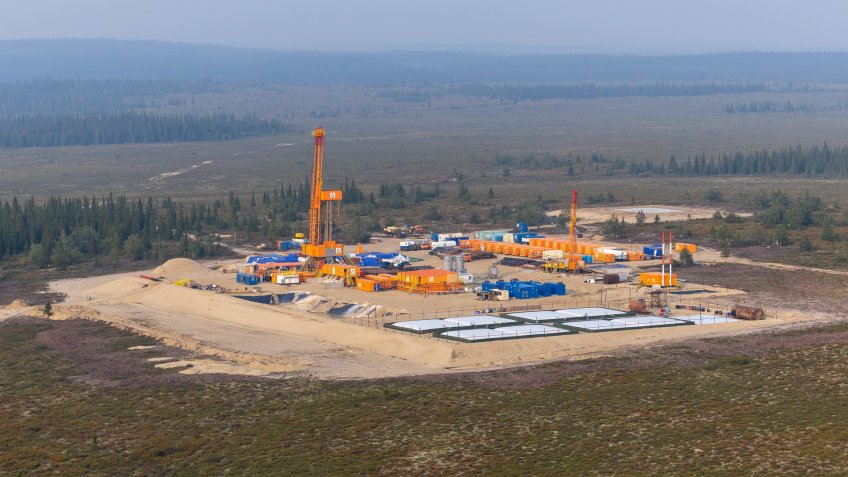
The research aims to study thermodynamic processes deep within the Earth’s crust. The resulting data will expand understanding of the region’s deep structure and could provide the basis for fundamentally new approaches to methods of prospecting and exploring the planet’s inexhaustible reserves.
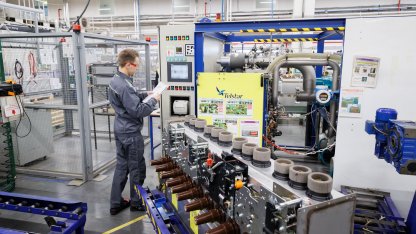
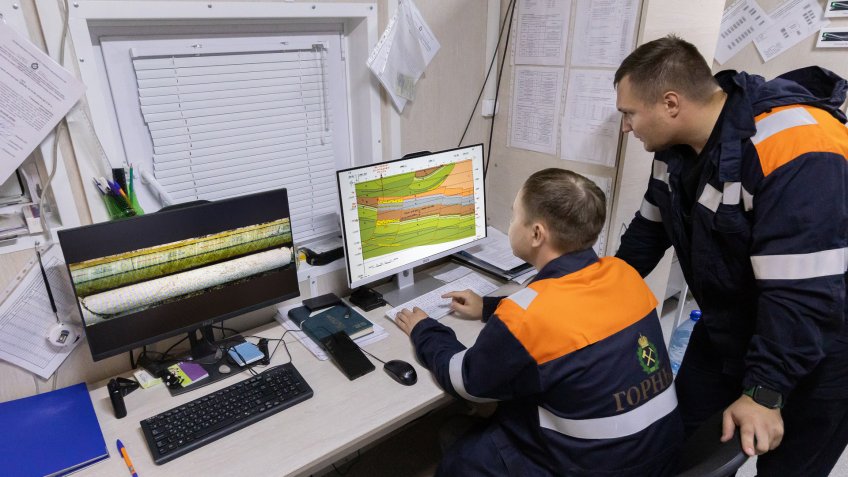
Mining University representatives visited the regional core repository at the Timan-Pechora Research Center. It holds samples from 112 deep wells with depths of 4,500–6,000 m, as well as from three ultra-deep wells drilled in the region.
«We hold around 74 linear kilometres of core from across Timan-Pechora. The age range extends from the Mesozoic to the Proterozoic, and the depth interval runs from practically the ground surface to 6,000 m, with deposits ranging from the youngest to the oldest. Rocks of every lithology are available: not only sedimentary rocks but also granites and schists. Everything recovered from wells in Timan-Pechora can be examined and sampled for study. Core from the deep and ultra-deep Ervozh-13 and Kochmenskaya-5 wells, recovered from depths exceeding 6,000 m, was also inspected. It has so far received little petrophysical study, so we propose filling this gap and carrying out the research», – said Stanislav Senin, Acting General Director of the Timan-Pechora Research Center.
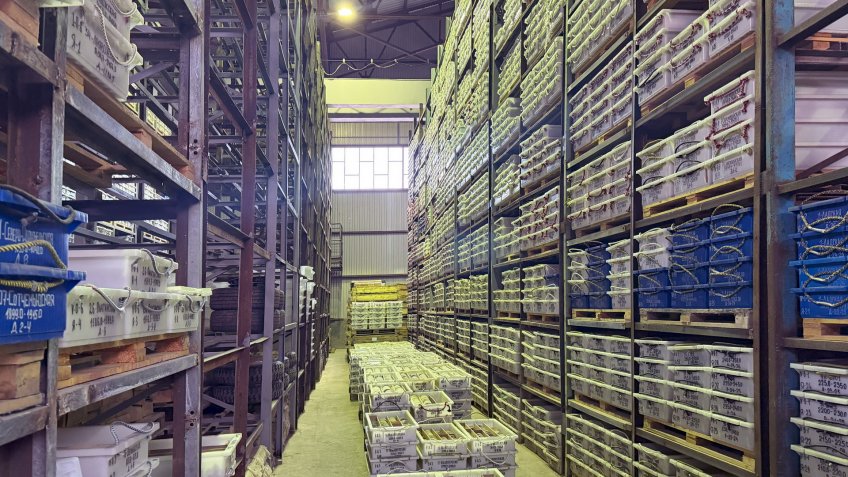
Under the agreements reached, the repository will also house material recovered from Mining University’s research wells. The parties discussed establishing an integrated collection of deep and ultra-deep drilling samples, as well as a digital database of geological information on the structure and resources of the subsoil at great depths. Bringing together these core collections and geological data will lay the foundation for new scientific research. Regional scientists are ready to contribute their own work and assist in studying the republic’s mineral resources base.
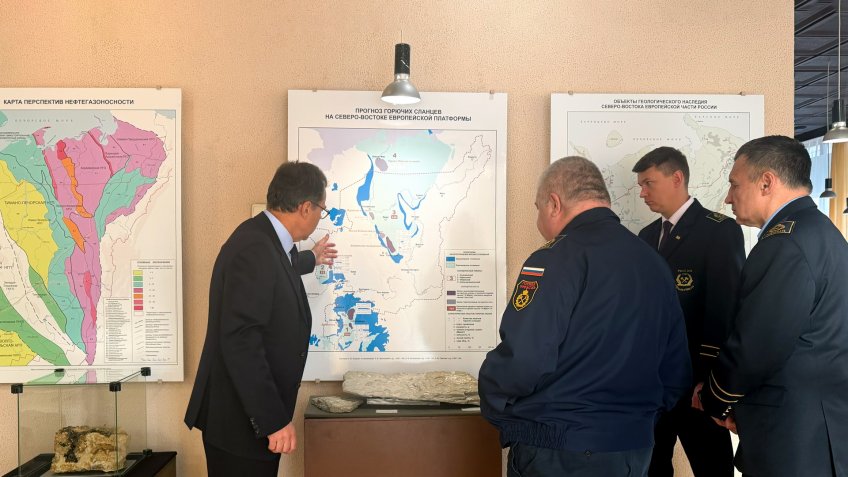
«We know what resources the Komi Republic possesses, while Mining University has expertise in exploring, extracting and processing them. We have drawn up proposals concerning both the study of the mineral resources potential and the University’s support for developing geological education in the republic», – emphasised Igor Burtsev, Director of the Institute of Geology of the Komi Science Centre, Ural Branch of the Russian Academy of Sciences.
In broader terms, cooperation between Mining University and the Komi Republic aims to connect fundamental research, engineering education and industry’s actual needs. A deep understanding among scientists of the region’s geological structure and the prospects for developing its resource base will enable scientists to identify directions for further exploration and deposit development. Training specialists who are familiar with modern technologies will ensure that these decisions are backed by professional expertise.