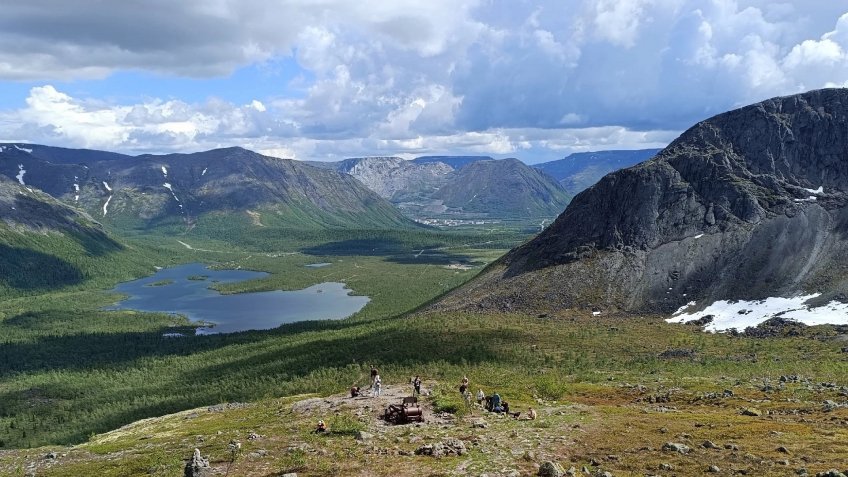
The main skill that a geologist must acquire during training is the ability to work in field conditions. The current third-year students gained their first such experience during an educational and introductory internship after their first year at geological sites in the Leningrad Region. After their second year, they mastered the profession of "Worker in geological works of the 2nd category" by performing educational tasks at the training ground in Crimea. This year, the students traveled to the Kola Peninsula to consolidate their practical skills in conditions closely resembling the actual work of a field geologist.
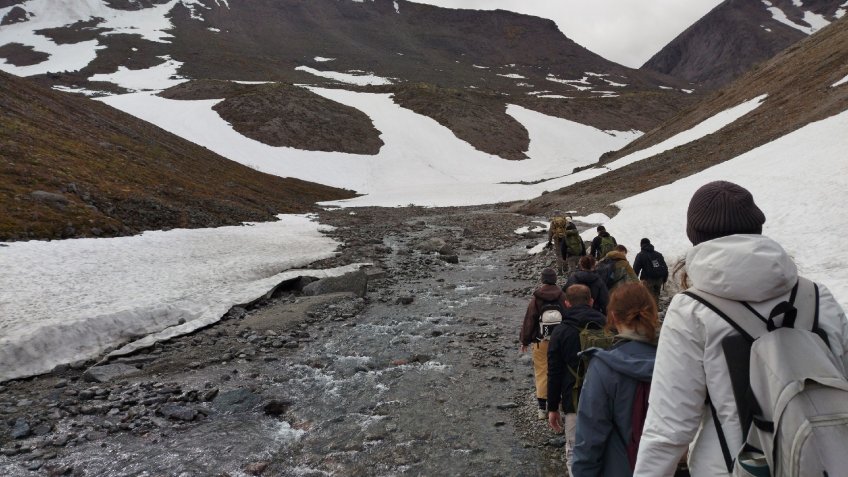
The technological internship, lasting 4 weeks, is part of the educational program for training specialists within the framework of the pilot project launched in 2023 by decree of the President of the Russian Federation. Third-year students majoring in "Applied Mineralogy, Geochemistry and Petrology" (MGP) and "Geological Survey, Prospecting and Exploration of Deposits" (RM) undertook their internship in Kirovsk, Murmansk Region. The main object of study was the Khibiny Massif—an intrusive igneous complex composed of alkaline rocks. More than 500 minerals can be found on its territory, while about 100 of them are not found anywhere else in the world. During the geological routes, elevation changes reached up to 800 meters. The students had to work in challenging weather conditions, but this is also an important part of a geologist's field experience.
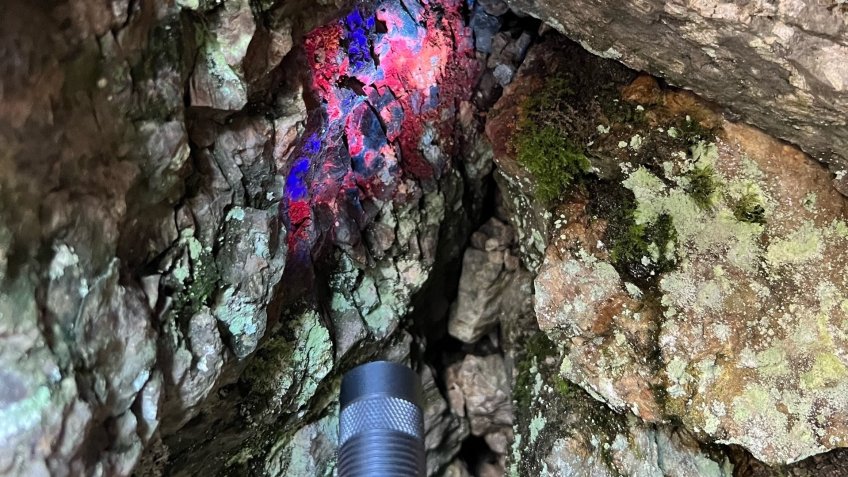
«Compared to the internship in Crimea, where we were taught to keep field diaries and construct geological maps in more comfortable conditions, in the Khibiny there is an opportunity to experience the specifics of field routes in conditions of highly dissected terrain. Due to the great diversity of minerals, we faced the problem of their field identification—this helped us acquire new skills. For example, we used an ultraviolet flashlight to identify sodalite and fluorite» – shared Egor Budnikov, a third-year student of the MGP specialty.
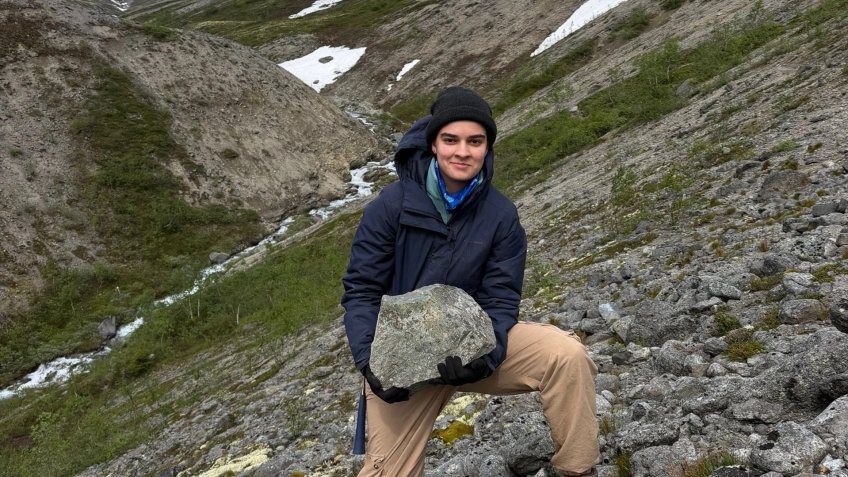
For Kira Dubinova, a third-year student of the RM specialty, the most memorable part of the internship was a route that involved wading across a stream in wet snow:
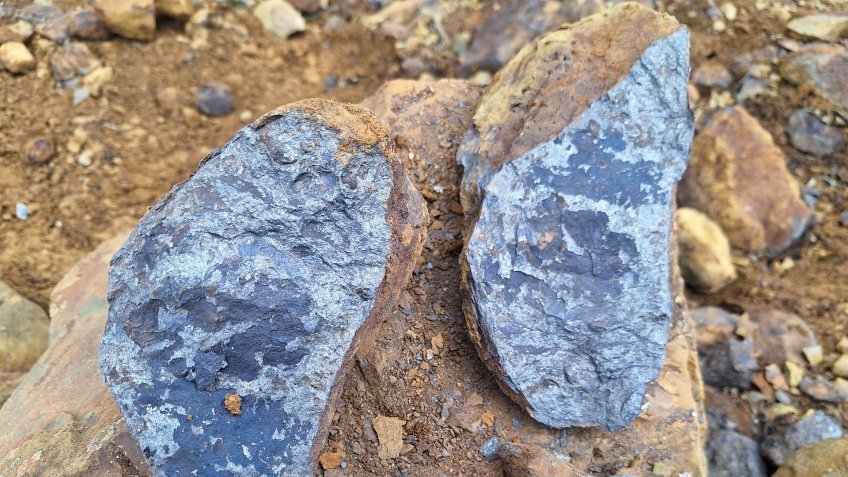
«We found a huge specimen of tinguaite [a variety of alkaline igneous rock], weighing about 20 kilograms, which we ultimately managed to bring back to the university».
Vladimir Krasnikov, a third-year student of the MGP specialty, also shared his impressions of the internship:
«The geological internship in the Khibiny Mountains was memorable for the unusual composition of the surrounding rocks. On one of the routes, we saw a contact zone with sulfide mineralization. As part of the additional professional competencies course, 'Practical Skills and Experience in the Preparation of Geological Samples for Laboratory Analysis,' we were taught to identify sulfides using a polarizing microscope, so now we will be able to study the collected specimens on our own».
In addition to its mineralogical diversity, the Khibiny Massif is famous for having the world's largest apatite deposits. Students of various specialties from the Mining University undergo educational and industrial internships at local mining enterprises, but an internship of this specific kind for geologists was held for the first time.
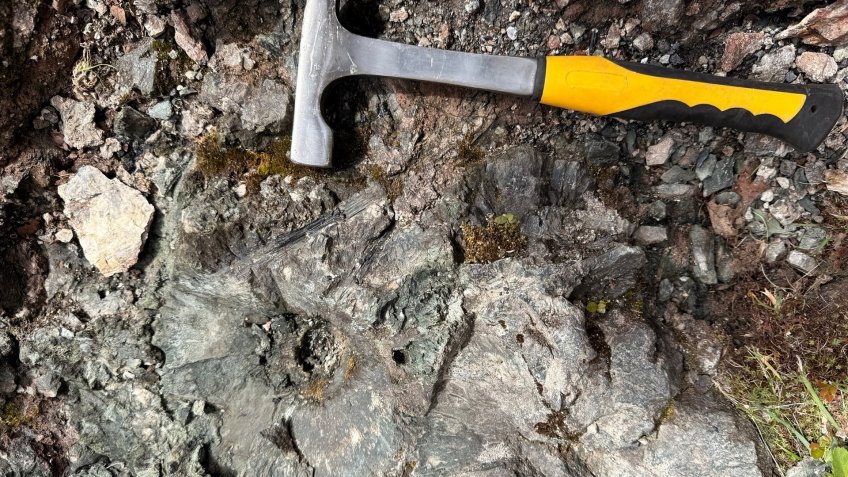
«It is extremely important for students to acquire real field experience, so they kept diaries during the routes, collected specimens for the collection, and worked with a geological map and a mining compass. On one of the routes, the students were tasked with collecting samples of spherulites composed of the fine-needle mineral aegirine (the so-called 'aegirine bombs'), explained Alena Sokolova, the head of the technological internship for MGP students and an assistant at the Department of Mineralogy, Crystallography, and Petrography.
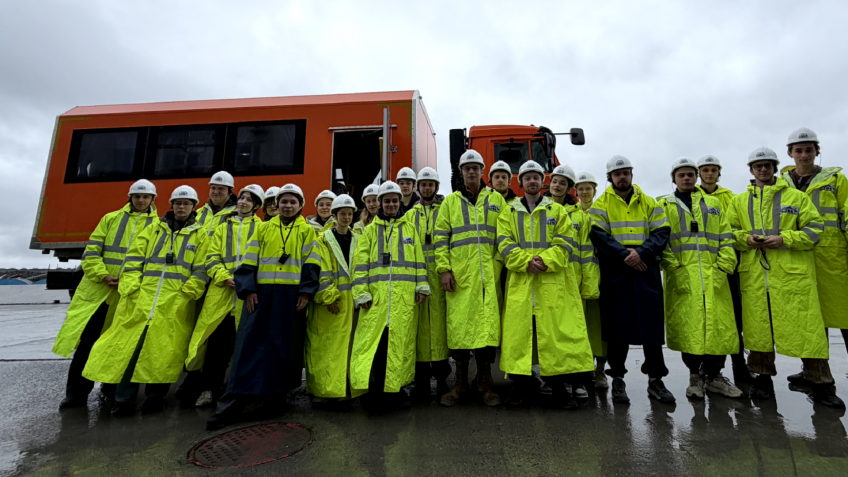
As part of the internship, the students visited the Oleniy Ruchey Mining and Processing Plant (JSC SZFK), where they became familiar with all stages of production: from drilling wells at the block and loading material into dump trucks to obtaining apatite concentrate at the processing plant. They also spoke with leading specialists
«For the first time, I saw an open-pit mine, mining equipment, and the entire production cycle of processing mineral raw materials. On the quarry dumps, we independently collected samples for our collection and found several endemic minerals of the Khibiny—in particular, arctite, a colorless mineral that can be identified by its blue luminescence» – shared Ekaterina Chikanina, a third-year student of the RM specialty.
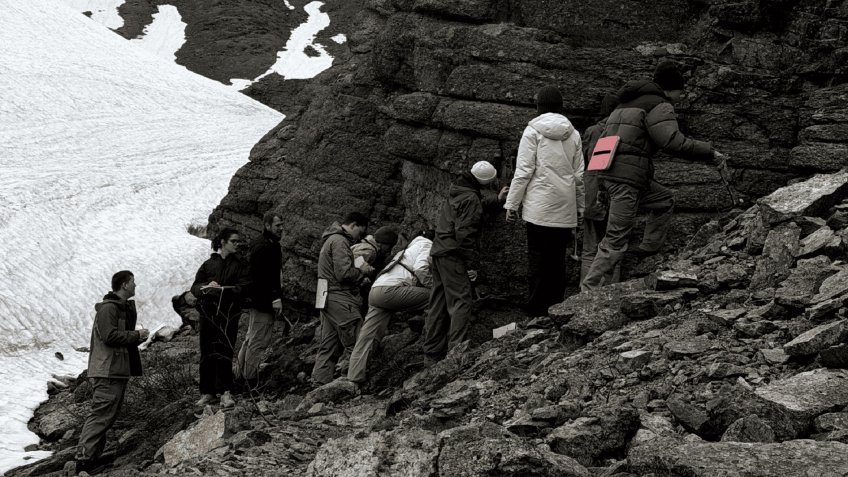
According to Anastasia Kolyadina, the head of the technological internship for RM students and an Associate Professor at the Department of Geology and Exploration of Mineral Deposits, in just 4 weeks, the students executed a full cycle of geological works: collection of factual data – sample preparation – research – interpretation of results:
«During the geological routes, the future geologists studied in detail and sampled bedrock outcrops of alkaline rocks, consolidated their skills in maintaining field documentation, and collected extensive mineralogical collections. As part of the desk-based stage of the internship, the students independently prepared polished thin sections from the ore samples they had brought back and examined them under a microscope».
In addition to fieldwork, the internship program included a visit to the Belkov Museum of Geology and Mineralogy. It was founded in 1930 at the "Tietta" Khibiny Mountain Station of the USSR Academy of Sciences. Furthermore, the students were introduced to the laboratory complex of the Geological Institute of the Kola Science Centre of the Russian Academy of Sciences. There, the students were given a tour of the entire work cycle: from sample preparation to conducting specialized mineralogical analyses. The trainees also visited the Murmansk branch of the Federal Budgetary Institution "Territorial Fund of Geological Information for the Northwestern Federal District," located in the city of Apatity, where they became acquainted with the core storage facility and lithotheque.
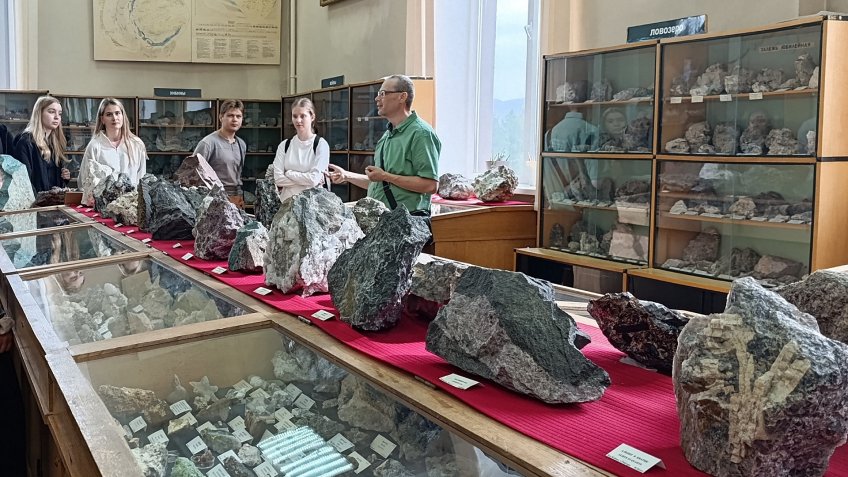
In total, more than 200 kilograms of rock material were brought back from the internship, including specimens of rare minerals and unique varieties of alkaline rocks. The collection, as explained by the head of the internship, Alena Sokolova, will be used by the students in the upcoming academic year to write term papers for the specialized disciplines "Genetic Mineralogy" and "Laboratory Methods for Studying Minerals, Rocks, and Ores".