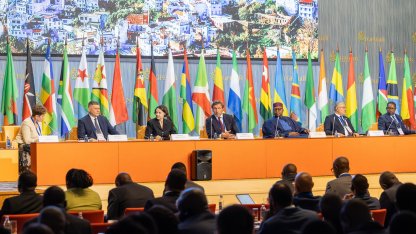
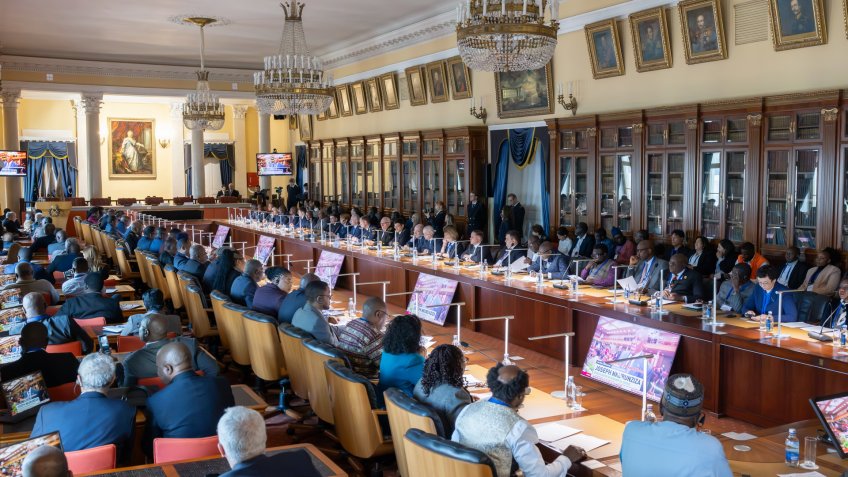
On Wednesday, 14 October, the Conference Hall of Empress Catherine II Saint Petersburg Mining University hosted the closing session of the Second Russian–African Raw Materials Dialogue, with a ceremony to adopt the declaration and sign the final documents.
The two-day marathon of continuous discussion included a plenary session, a series of round tables, project defences by young scientists, and two separate meetings bringing together academic and business circles. The Ministerial Meeting brought together representatives of Russian and African government bodies, parliamentarians, industrialists and public figures. The Academic Session of Russian and African Rectors involved the heads of leading specialist universities and university associations, such as the Association of African Universities, whose membership comprises more than 450 universities from 46 countries on the continent, and the “Subsoil of Africa” university consortium.
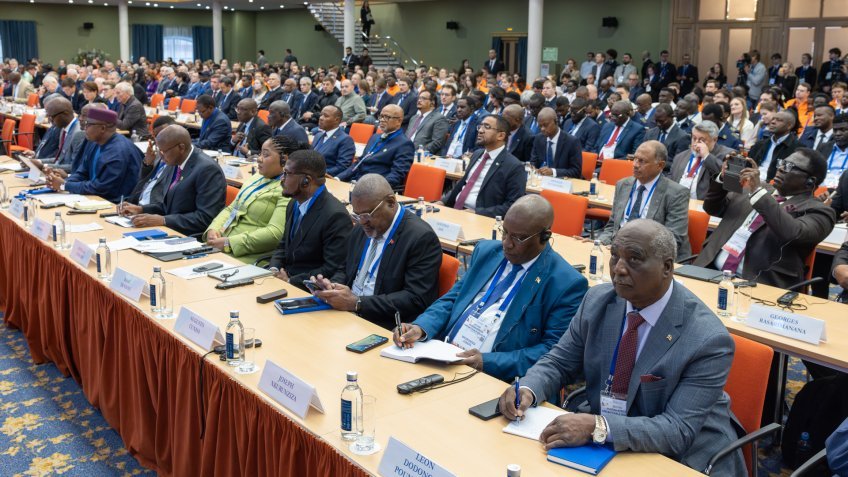
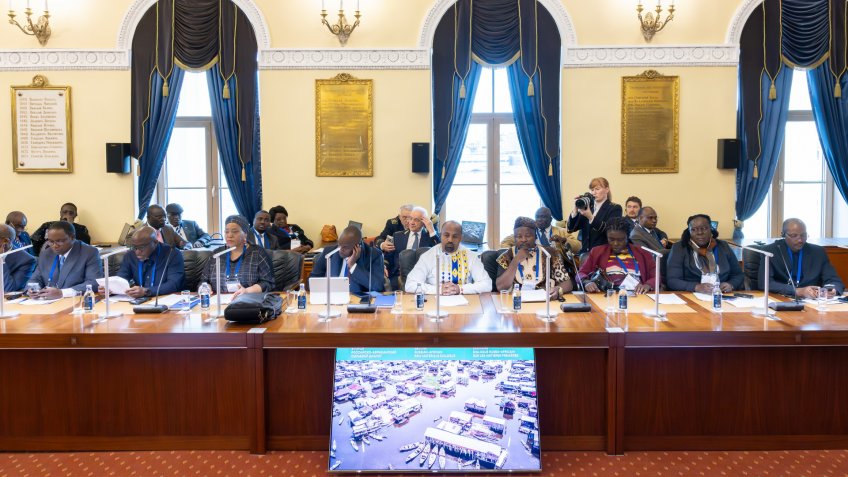
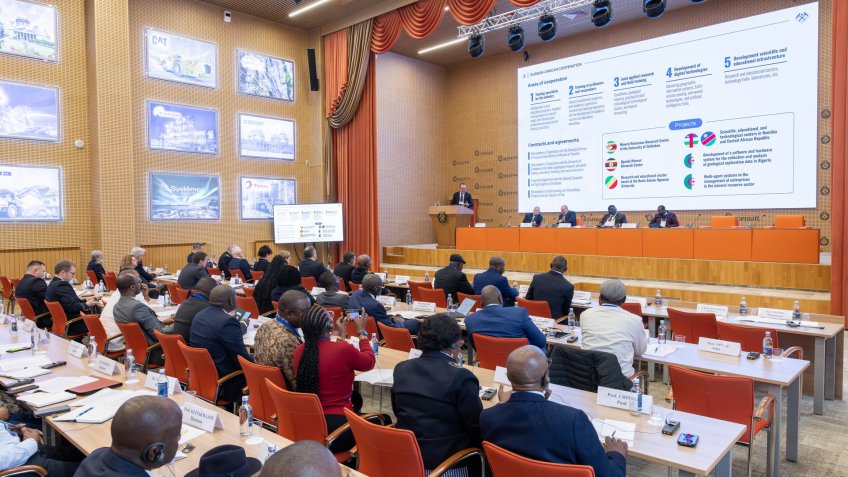
The discussions formed the basis for the forum’s consensus decisions. Participants adopted a declaration addressed to the governments of countries participating in the forthcoming Third Russia–Africa Summit in Moscow. It highlights the crucial importance of the mineral resources sector in ensuring African countries’ sovereignty and contains specific proposals for training engineers and introducing a system of professional and public accreditation in this economic sector. It also proposes establishing a Russian–African Association of Young Engineers and supports the expansion of the network of Russian Houses and Russian language centres in Africa.
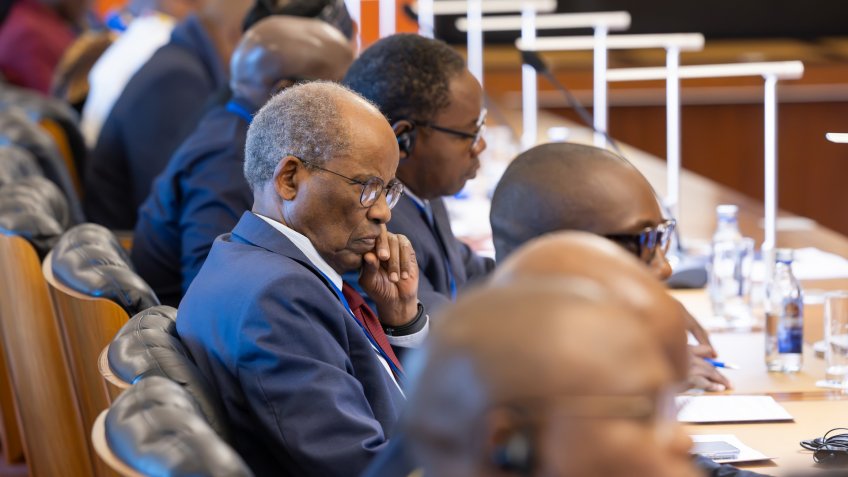
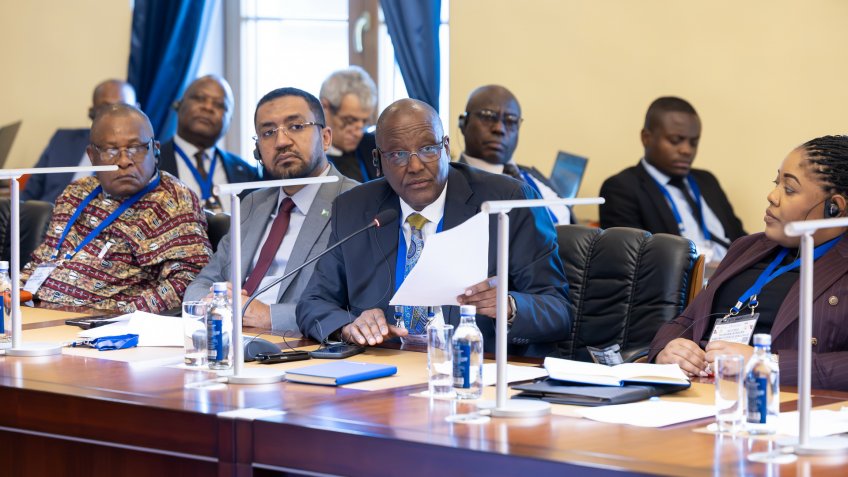
Within the Russian Government’s quota for the education of foreign citizens, forum participants propose a transition from individual applications to the training of specialists in Russia commissioned by African states and relevant Russian and African companies, specifying the number of places, the particular university and the fields of study.
Mining University Rector Vladimir Litvinenko noted that subsoil use is a sector offering exceptional opportunities and demands considerable intellectual capacity:
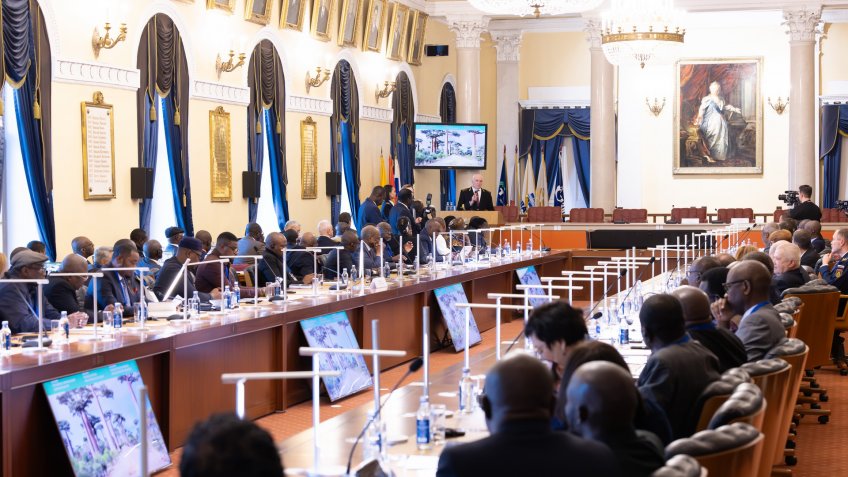
«Miners deal with a commodity that is not readily obtained. It lies deep underground and must be found, efficiently extracted without harming the environment, and processed. A shortage of raw material resources is already being felt and will grow very rapidly. Unless a country increases its reserves and improves administrative and legal regulation, it will be left behind in scientific and technological development.
Together with our African colleagues, we are pooling our efforts to make progress in this area, and the whole world is watching us. The forum has not yet ended, but we are already seeing responses in English- and French-language media.
The documents being signed today establish mechanisms for resolving all organisational issues relating to our joint activities. What happens next will depend on our capacity to act».
The Rector emphasised that joint projects are not confined to the infrastructure and ideas of Mining University or other Russian partners. Some African countries have valuable experience in mineral reserve assessment and well-equipped laboratories. Others have interesting approaches to subsoil use regulation and high-quality educational programmes. It is important to create a system for exchanging experience and implementing the best solutions: “success is a matter of joining forces”.
Sergey Novikov, Mining University’s Vice-Rector for Applied Research, noted that the current forum had become a genuinely intensive discussion rather than a collection of monologues, as is often the case:
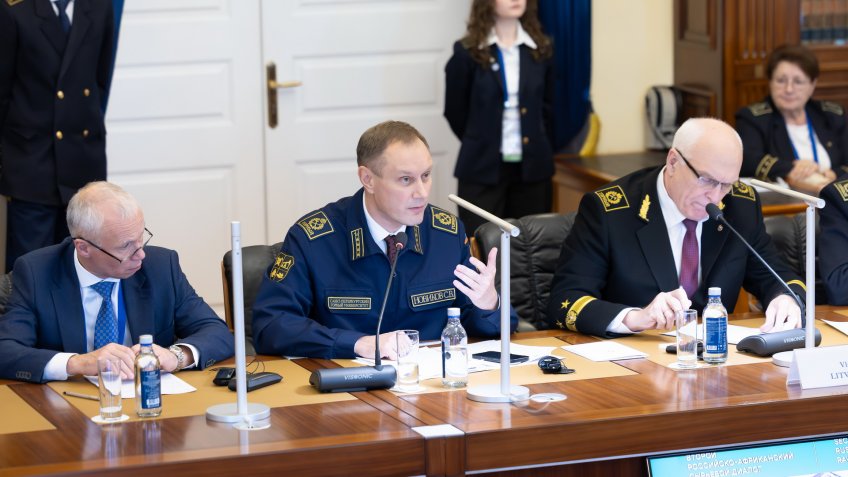
«We have received substantive feedback on our current agenda from government bodies, public organisations, business and representatives of many Russian and African universities. It is already clear that our efforts to join forces with Africa will not be a one-way street. Everyone wants to work, and everyone is enthusiastic».
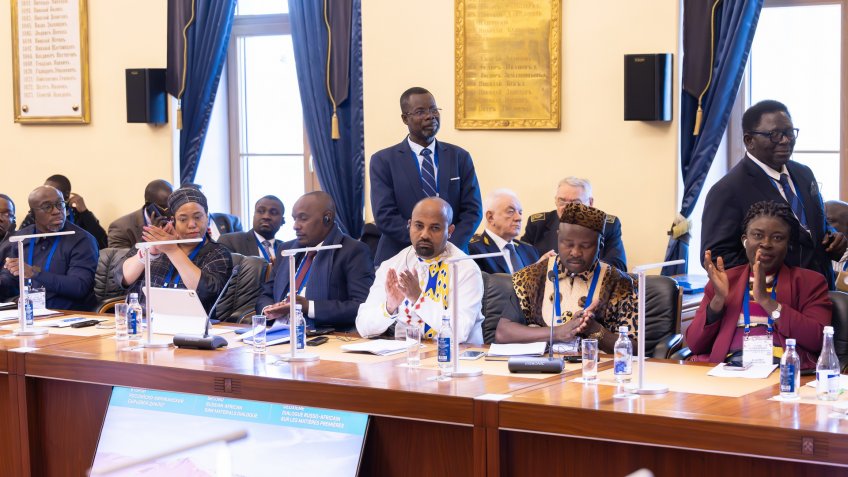
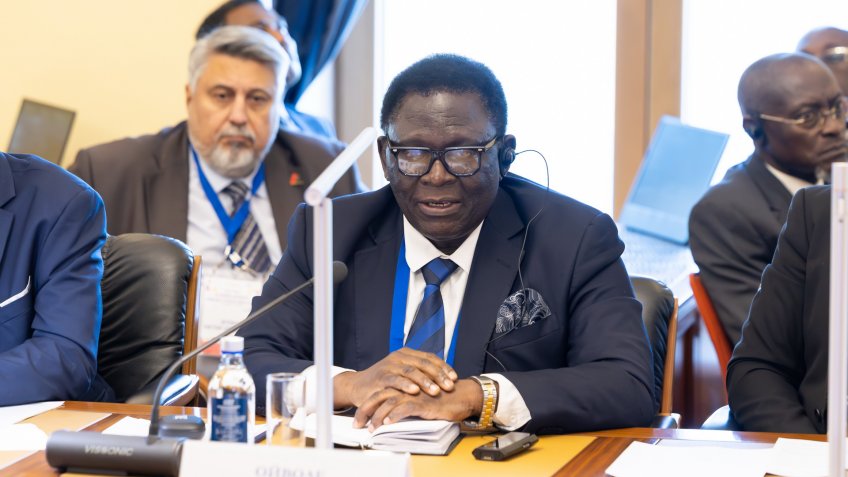
Olusola Bandele Oyewole, Secretary-General of the Association of African Universities, noted that young people account for a very high proportion of Africa’s population today. They seek knowledge, understanding that it is knowledge that determines the continent’s future. More than ever, the extractive industry urgently needs knowledge-based development, and engineering competencies, he said, are particularly important for Africa. Olusola Bandele Oyewole spoke highly of the prospects offered by the agreement to establish a representative office of the Association of African Universities in the Russian Federation. He described it as a positive collaboration that inspires confidence in the future.
The ceremony to sign the agreement on the representative office took place at the forum’s closing session. On the Russian side, the agreement involves the National Center for Personnel and Scientific Support of the Mineral Resources Complex “Corps of Mining Engineers”, headed by Vladimir Litvinenko, and the autonomous non-profit organisation International Competence Centre for Mining Engineering Education under the auspices of UNESCO. Its Director General, Vladimir Borzenkov, said that he understood the degree of responsibility involved in participating in such an important project and would make every effort to involve leading Russian universities and companies working with mineral raw materials in this cooperation.
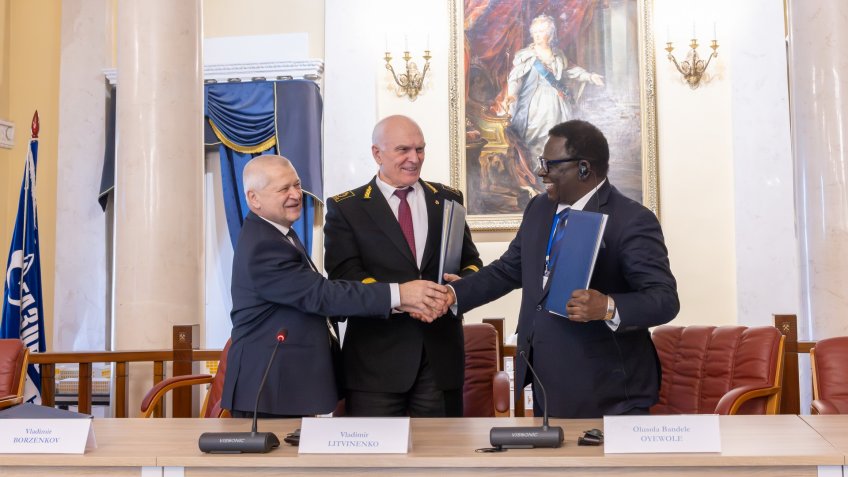
«The signing of the agreement was preceded by extensive joint work and a frank, engaged discussion at the forum. Warm personal relationships have developed, giving us confidence that all our joint projects will be implemented. The outlook is very optimistic: we are receiving numerous proposals from the academic community and business, and establishing contacts with relevant ministries in a number of countries», - noted Vladimir Borzenkov.
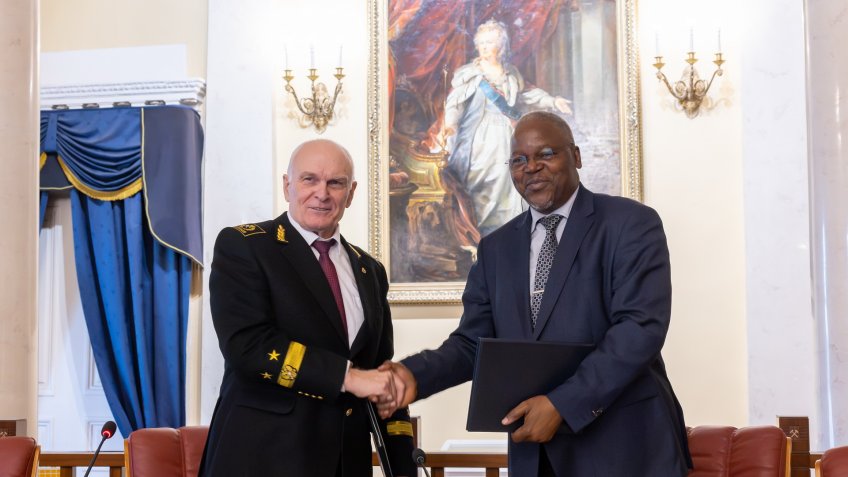
A memorandum of understanding between the Southern African Federation of Engineering Organisations (SAFEO) and Russia’s National Association of Mining Engineers (NAGI) was also signed at the forum’s final session. The documents were exchanged by the Association’s President, Vladimir Litvinenko, and his counterpart from South Africa, Alberto Júlio Tsamba. The aim of the cooperation is to introduce the International Competence Standard for Mining Engineers developed by the Russian side and improve it with the involvement of South Africa’s expert community. A detailed cooperation roadmap will be prepared no later than 1 December this year.

As Viacheslav Zyrin, Executive Director of NAGI, noted, the industry competence standard was developed in cooperation with the most authoritative international experts and received approval at both the first and the current Raw Materials Dialogues. The Association is already preparing pilot projects to promote the standard in Ghana and Kenya. With the signing of the memorandum, South Africa is joining this cooperation.
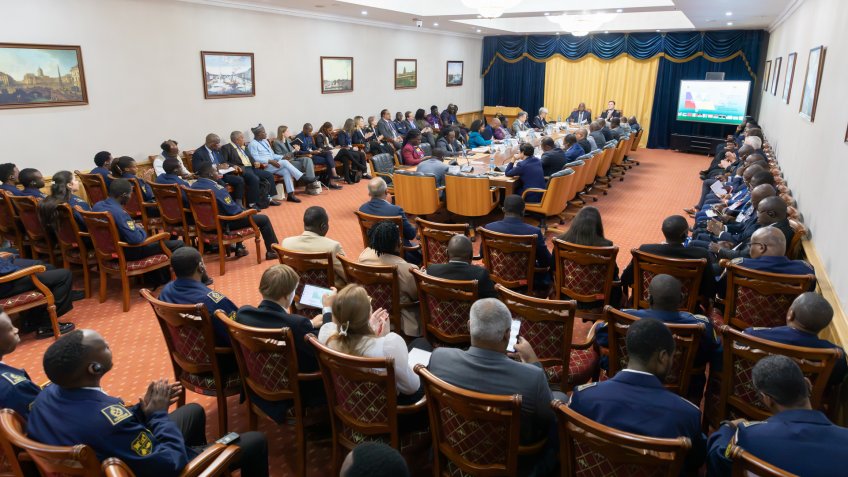
In addition to the main final declaration, the forum adopted a declaration by participants in the Academic Session of Russian and African Rectors, “Harmonising Academic Cooperation between Russia and Africa and Developing a Unified Approach to Training Engineers”.
The rectors approved the academic session format as a key platform for developing common approaches to training engineers for the mineral resources sector and related industries. They also supported the opening of a representative office of the Association of African Universities in Russia and the initiative to establish a Russian–African Centre for Personnel and Scientific Development of the Mineral Resources Complex.
Reports on how the agreements and declarations were prepared during the Academic Session of Russian and African Rectors and the Ministerial Meeting will appear on Forpost shortly.