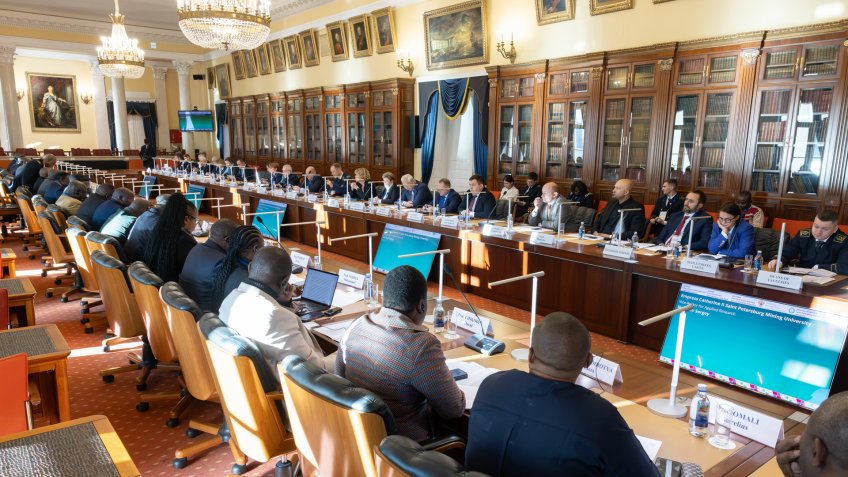
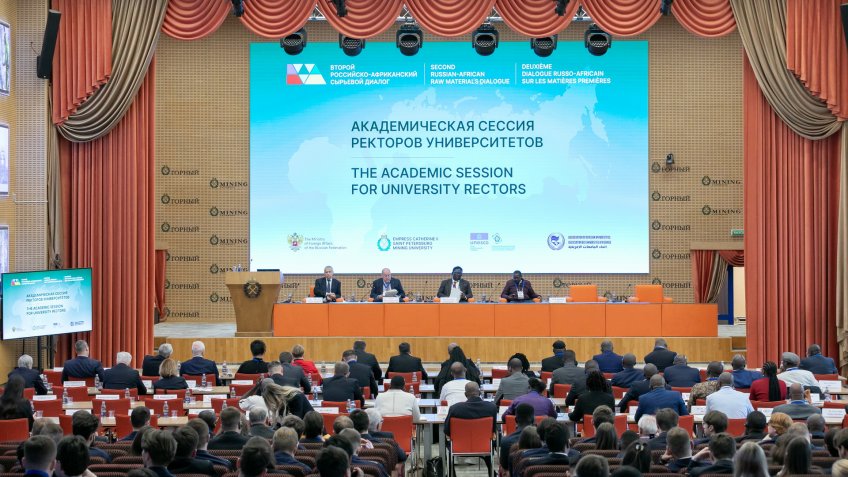
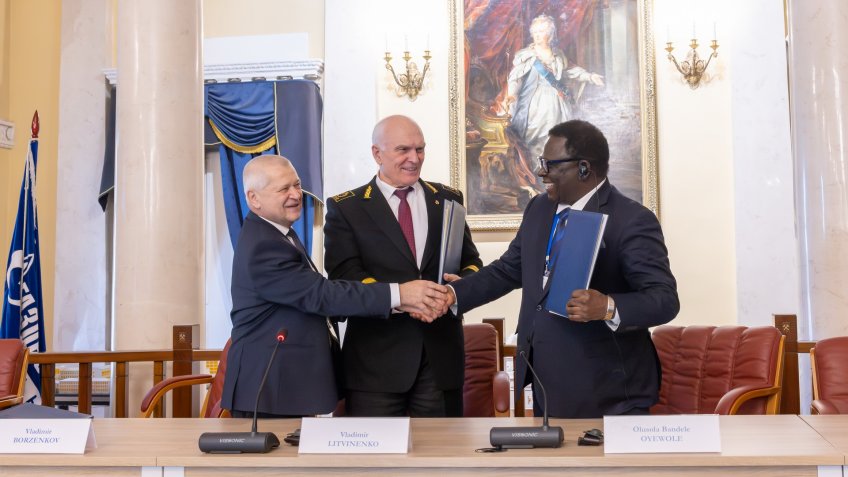
An agreement to establish a representative office of the Association of African Universities (AAU) at the National Center for Personnel and Scientific Support of the Mineral Resources Complex “Corps of Mining Engineers” was signed during the Second Russian–African Raw Materials Dialogue. This is an important step towards exchanging experience and knowledge between African and Russian universities, aligning educational standards and developing projects with a practical focus.
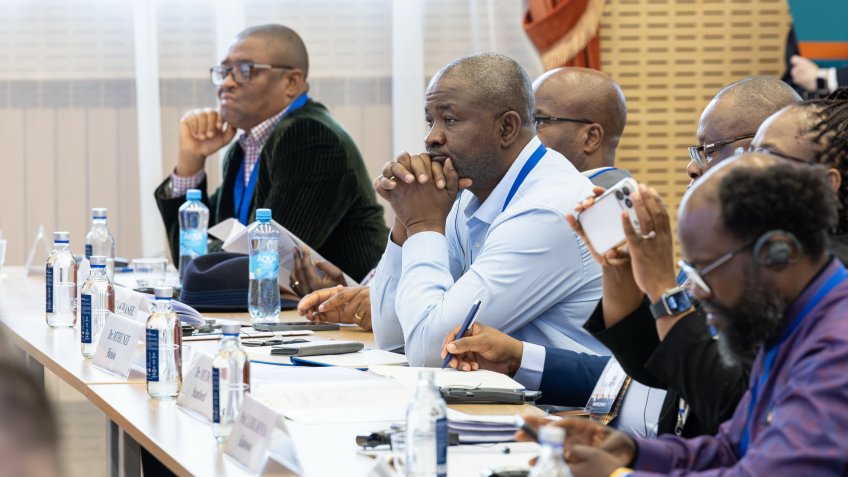
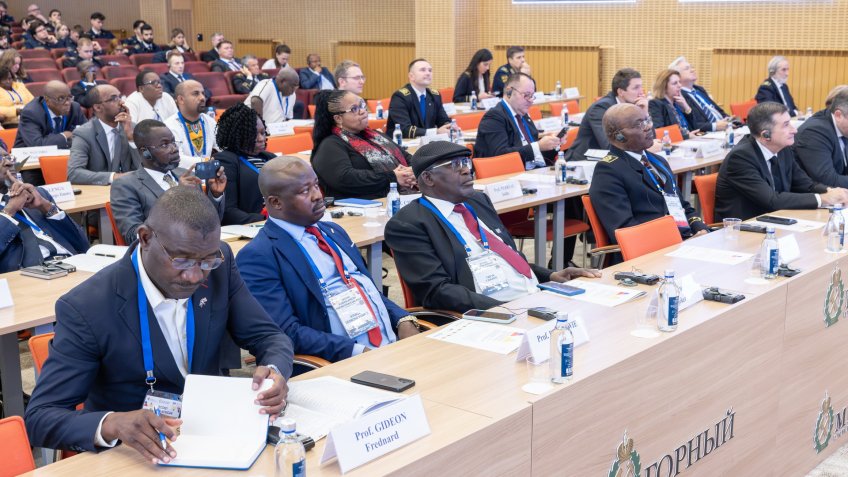
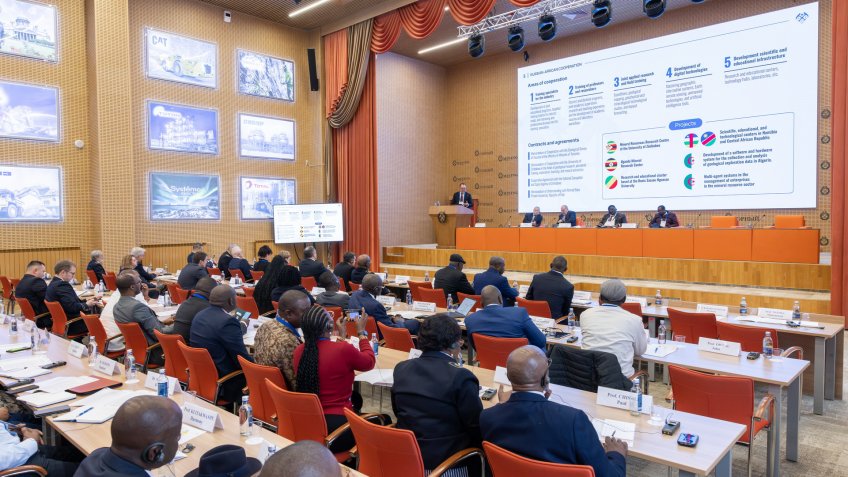
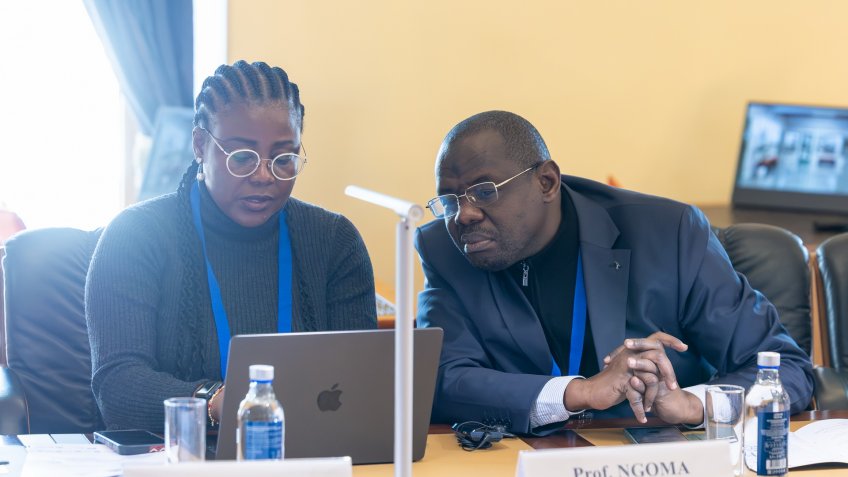
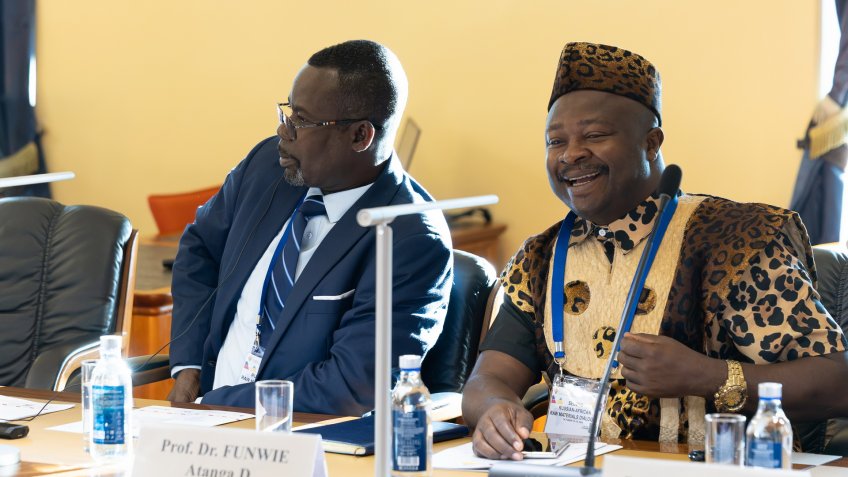
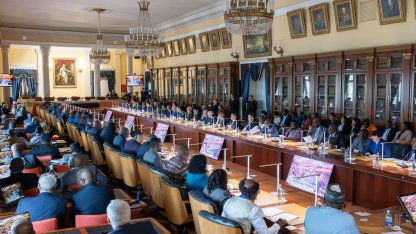
The signing of the agreement was preceded by a two-day Academic Session. It was attended by vice-chancellors and presidents of 50 African universities belonging to the Association of African Universities, a higher education organisation comprising more than 400 institutions across the continent. Rectors, vice-rectors and faculty deans from 30 of Russia’s largest engineering and technical universities were invited to join the Dialogue, together with representatives of research centres, professional associations and industrial companies.
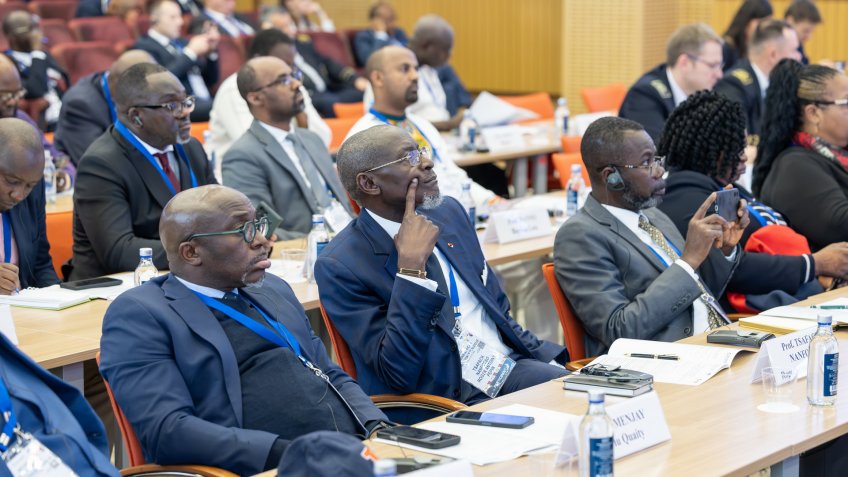
The experts discussed directions for the development of engineering education that will form the basis for long and productive cooperation. The Russian and African sides agree that states’ sustainable economic growth and technological sovereignty depend directly on the efficient use of raw material resources and the quality of training provided to their national engineering personnel.
In his report, Olusola Bandele Oyewole, Secretary-General of the Association of African Universities, outlined the principal problems facing higher technical education in the countries of this sunny continent. These include outdated teaching equipment and shortages of it, a shortage of lecturers, and a lack of common educational standards: Africa is vast, and the quality of an engineer’s training can vary considerably between the south and the north. Academic mobility within the continent is also limited: students find it easier to join international exchange programmes than to visit teaching laboratories or industrial enterprises in a neighbouring country. This creates a wide gap between curricula and actual industrial practice: university graduates often have only theoretical training and struggle to compete in the labour market.
«We must build a new education system that enables students to develop their own projects: to build, design and test them in practice. We must clearly define the competencies required of the engineers we need today. This must become a shared task for African universities. We need to establish regional centres of excellence that will cooperate, exchange experience and host students and lecturers from different universities. Such centres could address research challenges in mining, artificial intelligence, agricultural technologies, water resources and other fields needed by the continent’s economy», – said Olusola Bandele Oyewole.
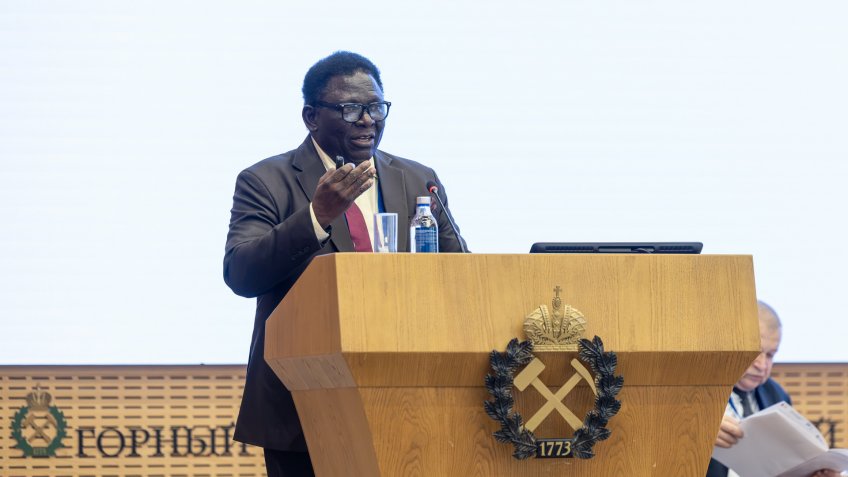
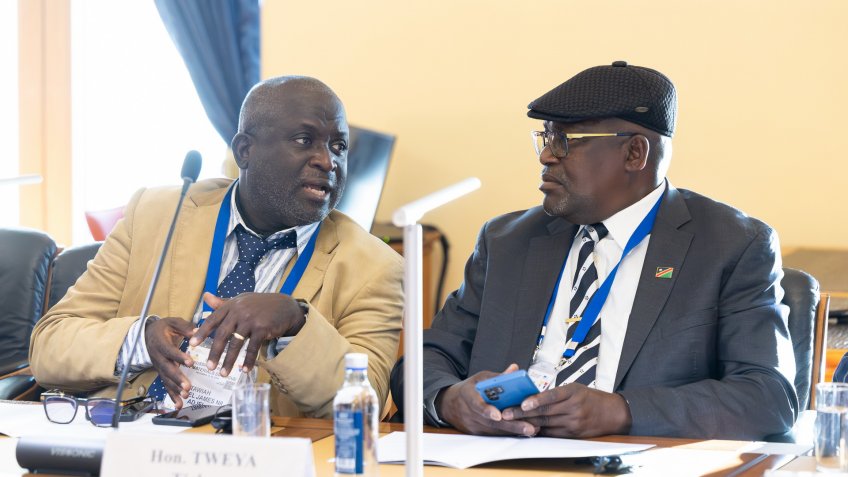
Similar views were expressed by rectors and vice-chancellors of universities in South Africa, Nigeria, Ghana, Kenya and Ethiopia. Jimmy Kalenga Kaunde Kasongo, rector of a technological university in the Democratic Republic of the Congo, emphasised that universities should become partners to state-owned enterprises and private businesses, and focus on developing knowledge that is as closely aligned as possible with industrial practice.
«I propose launching professional collaborations in raw material processing, energy and digital technologies. This is what we need right now. Each project should bring together an educational institution, specific enterprises and engineering teams, focus on a problem and take account of available resources. This will enable us to achieve tangible results. At the same time, we will be able to address other tasks that matter to us: improving equipment reliability, adopting energy-saving technologies, involving young people and women in science, and protecting the environment» – the speaker stated.
At different stages of its development, Russia’s professional education system has faced similar difficulties. During the discussion, participants repeatedly referred to the Soviet Union’s historical experience in Africa as a solid foundation for present-day cooperation.
Historical Background
In the 1960s and 1970s, the USSR was a key player in the industrial and technological development of a number of African states. With the Soviet Union’s active support, around 600 major engineering projects were completed: the Aswan Dam in Egypt, metallurgical complexes in Algeria, oil refineries in Ethiopia, and mining and beneficiation complexes in the Congo. Thousands of African students studied at Soviet universities, returned to their countries and built their national economies. Empress Catherine II Saint Petersburg Mining University provided state-funded education to students from Ghana, Guinea, Mali, Zambia, Tanzania and Angola. The University’s lecturers and researchers regularly travelled to the continent to provide advice and conduct research. Many of its graduates hold senior positions in their countries and speak Russian well.
Today, developing a professional outlook among young engineers is one of the most pressing issues for all countries participating in the Dialogue. Bachelor’s degrees are widespread across the African continent as the basic form of higher education. Experts acknowledge that they provide only a general understanding of a specialism, without practical skills or an opportunity to try working in the profession. The African side showed considerable interest in Mining University’s experience of introducing a new educational model with a single study cycle lasting 5.5–6 years, including 14 months of practical training. This is the only way to nurture an “engineer with intuition” who understands industry’s principal tasks and has the tools to address them.

By adopting the Russian model of engineering education, African universities will be able to bring their educational programmes to an advanced level. It was repeatedly emphasised, however, that this does not mean transplanting ready-made formats into a different environment, but adapting accumulated experience to African states’ needs. Contemporary Africa is diverse: in some regions, technological development is comparable with Russia’s, while others require assistance at a fundamental level. It is therefore important to build flexible models of cooperation.
«We can direct our joint efforts towards developing principles for harmonising educational standards and aligning curricula, including establishing a curricular core for engineering fields. This will ensure the comparability of qualifications and academic mobility across both Africa and Russia. Finally, we can certainly initiate the creation of professional communities based on mutually beneficial projects with our longstanding partners — Rosatom State Corporation, NOVATEK PJSC, Gazprom PJSC and other companies, –said Alexey Demidov, Chairman of the Council of Rectors of Universities of Saint Petersburg and Leningrad Region.
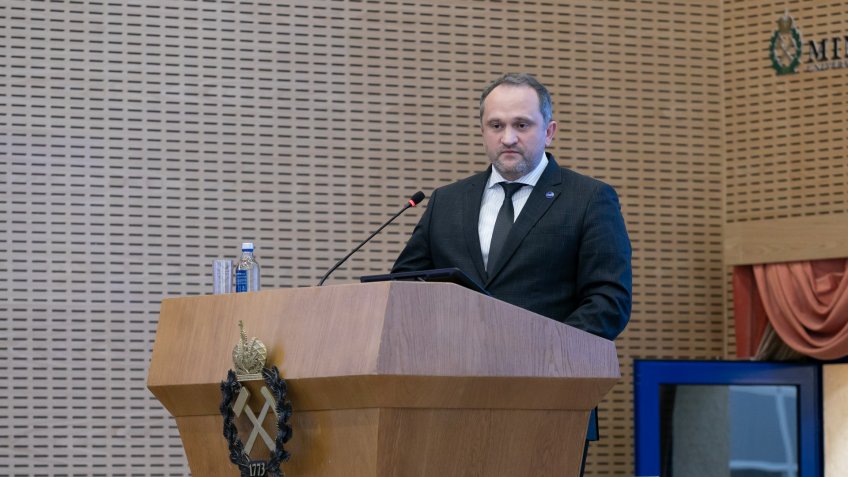
Russian universities are already joining this process, contributing their ideas and experience. Yuri Klochkov, Rector of the Industrial University of Tyumen, drew attention to the importance of establishing joint research schools. This will make it possible to prepare researchers for Candidate of Sciences and Doctor of Sciences degrees, build enduring research schools and develop long-term academic ties between Russia and African states.
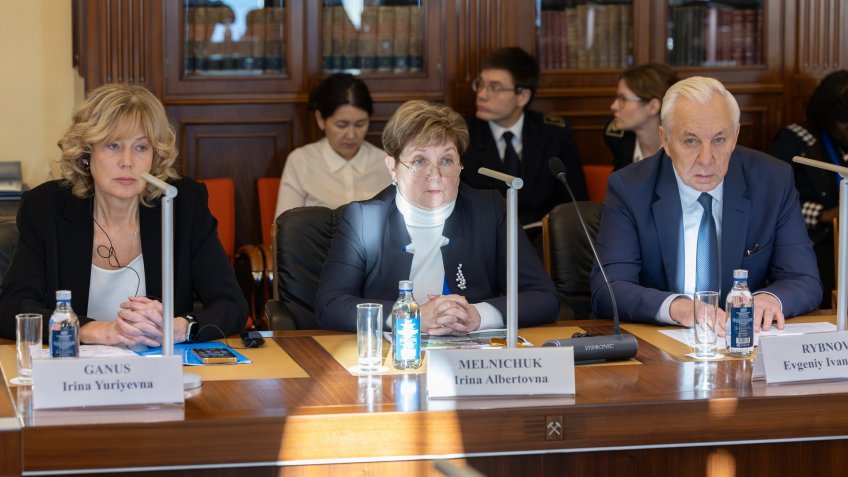
Irina Melnichuk, Rector of Saint Petersburg State Forest Technical University named after S.M. Kirov, expressed the University’s readiness to coordinate a project to develop education for the forest industry in cooperation with African universities and Russian businesses.
«We can draw on Russian programmes taught in foreign languages. In particular, we offer an English-taught master’s programme in ‘Forest Economics and Forest Policy’. We also offer advanced training and summer schools for forestry professionals from African countries, while online courses will allow teaching to expand without geographical constraints. Our aim is not simply to transfer knowledge, but to develop a new generation of environmental engineers capable of managing natural resources using modern technologies», – explained Irina Melnichuk.
Industrial companies have an important role in this challenging work. Their participation will help to align curricula with industry’s actual needs, give students access to modern technologies and develop professional skills that are in demand. A clear example is the BELAZ competence centres established at Russian universities. The largest operates at Mining University, where training facilities and simulators have been installed, and laboratories have been opened for autonomous electromechanical electric propulsion systems for mining equipment and for on-board systems. Since 2023, around 7,000 Mining University students have received training at the centre.
«When we visit enterprises operating Western equipment, we often find that personnel training is entirely absent. Specialists do not understand how this equipment works or how to operate and repair it properly. Yet technological leadership is impossible without competent engineers, who must also be economists to some extent: they need to see the potential for improving equipment efficiency and understand how to use it to the greatest advantage. This is precisely why we are always ready to act as intermediaries between universities with competence centres and mining enterprises. Our task is to help students acquire all the skills they need», – noted Alexey Grachev, Deputy Director General for Strategic Development at BELAZ OJSC.

Cooperation in research also offers considerable opportunities. For example, Mining University’s research into the use of peat-based soil improvers for land restoration could contribute to addressing food problems in Africa, where more than 280 million people suffer from hunger.
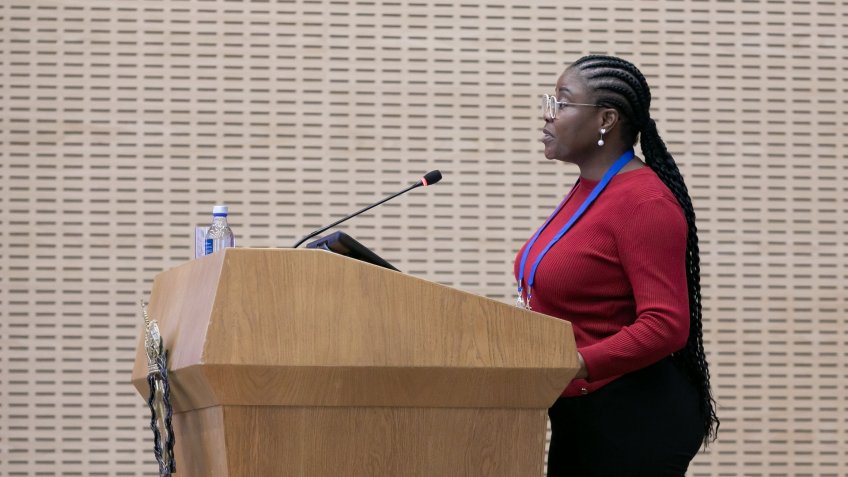
The experts are confident that the exchange of experience must work both ways. Russia also has something to learn from Africa. Unique engineering solutions have already been implemented on the continent under conditions of limited resources, ranging from advanced mineral extraction technologies to sustainable energy systems. A unified centre for coordinating initiatives is needed to identify all areas of shared interest. Establishing a representative office of the Association of African Universities at the “Corps of Mining Engineers” will be another step towards creating an educational ecosystem that brings together both sides’ best practices.
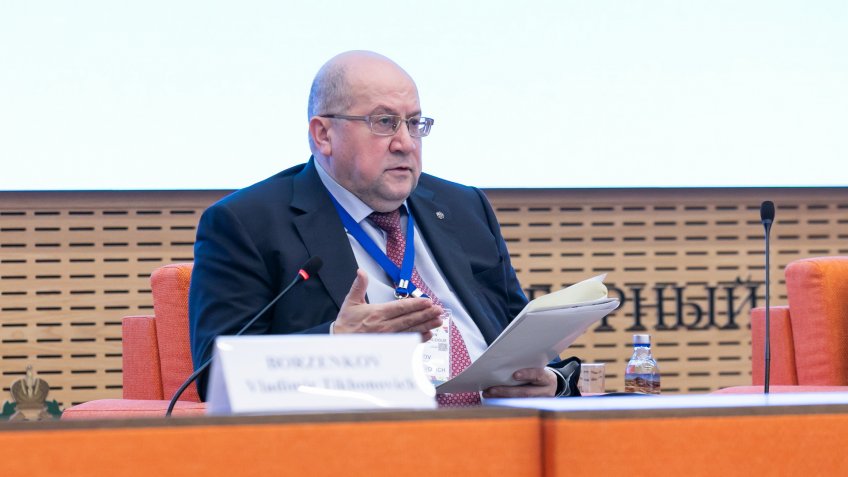
«We must move from slogans to practical action. Today, we are not simply exchanging opinions: we need a mechanism that will enable us to move forward. Russia is ready to offer what it truly excels at: our experience in personnel training, our technologies and our willingness to work for the long term,” emphasised Vladimir Borzenkov, Director General of the International Competence Centre for Mining Engineering Education under the auspices of UNESCO.
On the Russian side, the parties to the agreement are the National Center for Personnel and Scientific Support of the Mineral Resources Complex “Corps of Mining Engineers” and the autonomous non-profit organisation International Competence Centre for Mining Engineering Education under the auspices of UNESCO.
The document provides, in particular, for:
- the alignment of educational standards and the creation of a curricular “core” for member universities of the Association of African Universities, based on the model of the National Center “Corps of Mining Engineers”;
- the targeted recruitment of students and specialists for specific industrial companies in Africa, based on the model “Russian University – African University – Company”;
- professional development for teaching staff, lecturer exchanges and joint efforts to secure grants.