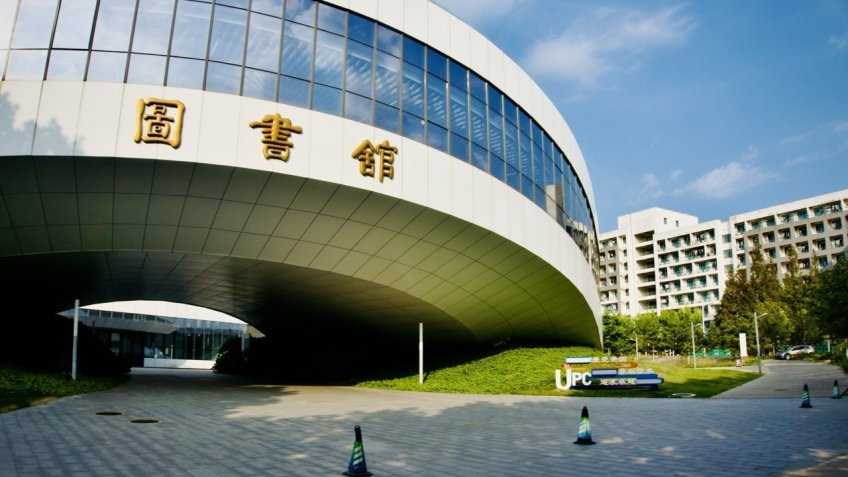
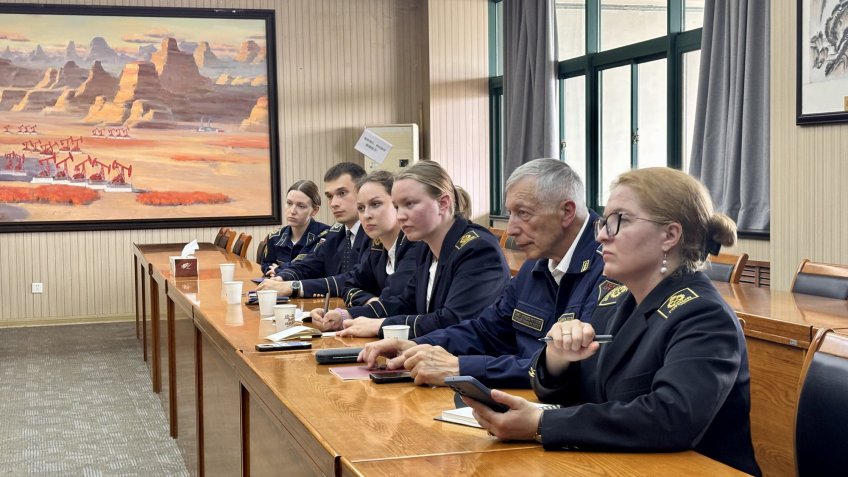
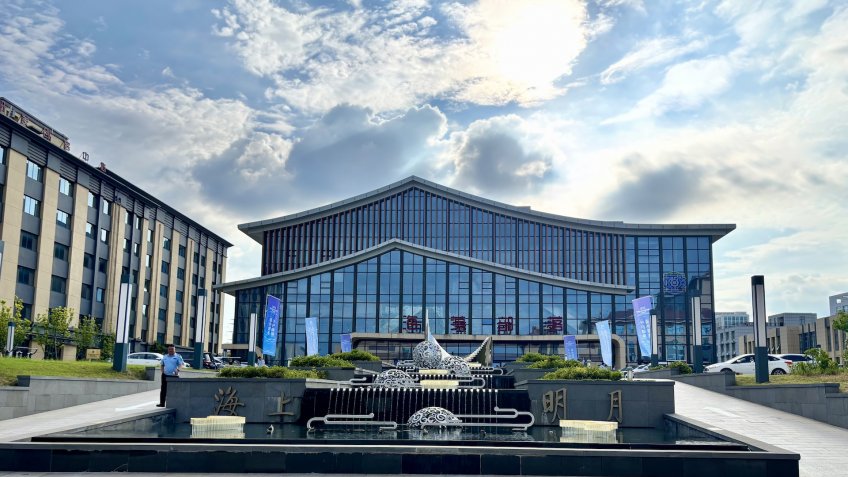
The Summer School at China University of Petroleum (UPC) in Qingdao, organized for students, postgraduate students, and faculty members of Empress Catherine II Saint Petersburg Mining University, consisted of three main components: lectures delivered in English, during which professors shared the latest scientific findings; visits to the university’s laboratories; and visits to local enterprises — the future workplaces of many UPC graduates. Over the two weeks spent in eastern China, the mining specialists from Saint Petersburg were fully immersed in an educational process organized according to the practices of leading Chinese universities, gaining an in-depth understanding of the work of university practical training centres, including those involved in national projects, as well as local industrial enterprises.
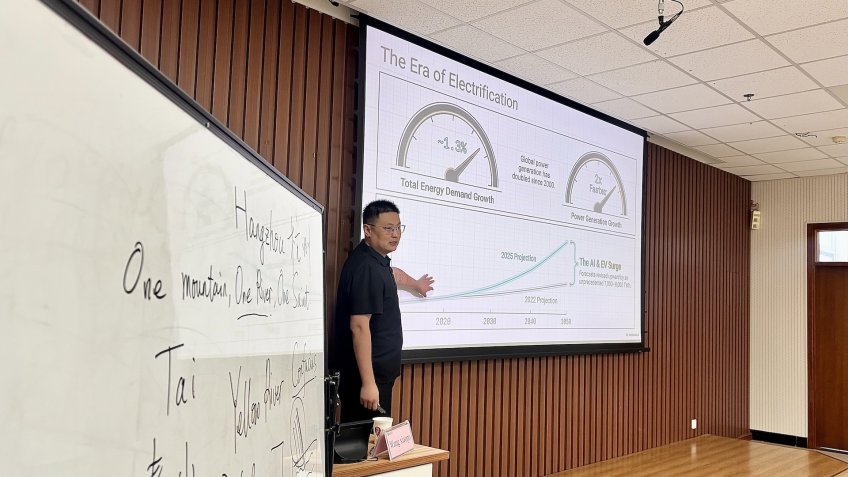
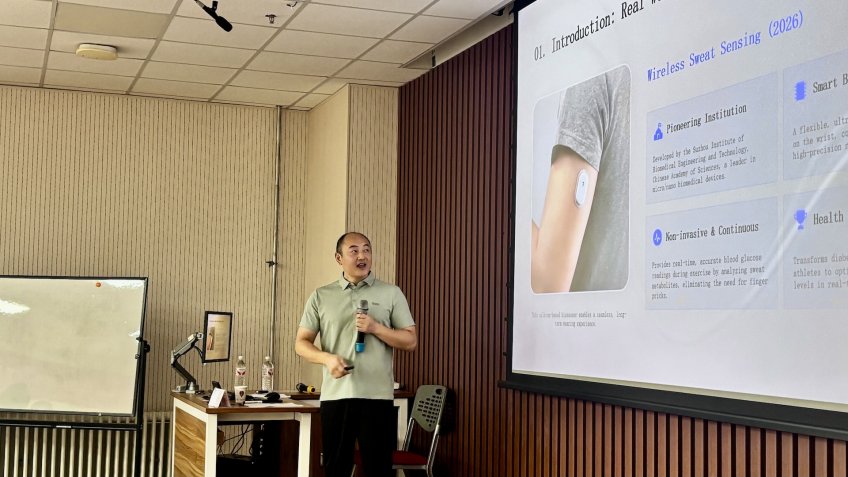
Lectures at China University of Petroleum follow several mandatory practices regardless of the subject. All instructors provide a detailed introduction to themselves, specifying which universities they attended, their areas of specialization, and their professional experience. Notably, most of the UPC Summer School lecturers studied abroad — they are professors who earned bachelor’s or master’s degrees at universities in the United States, the United Kingdom, and other foreign institutions. Another unwritten rule of every class is discussion with students. Instructors do not simply deliver material one-way from a computer or textbook: professors ask students questions, engage them in discussion, show up-to-date and dynamic videos related to the subject, and encourage them to ask questions.
During lectures at UPC, students from Saint Petersburg discussed global energy with professors, explored types of sensor technologies and their applications in geophysics and petrophysics, and learned about artificial skin developed in China, which is also used in the creation of humanoid robots. In a lecture on global oil and gas reserves, a professor explained the differences between the STEPS, CPS, and Net Zero scenarios and noted that future demand for specialized professionals will include expertise in carbon management, AI applications in oil and gas production, and an understanding of policy and capital flows.
One of the lectures focused on the development and application of modern sensing and electrical resistivity tomography technologies. Students were introduced to electrical resistivity tomography (ET/ERT) and its practical application to the study of subsurface formations. Various stages of data processing were also examined, including correction, image inversion, error analysis, and experimental validation.
«The main distinction of the Chinese university’s lectures lies in their emphasis on global market adaptation and interdisciplinarity. While at Empress Catherine II Saint Petersburg Mining University, the study of subsoil use and mineral processing is based on a rigorous geological and technical academic foundation, the UPC programme places the lecture material from the outset within the context of global geopolitics, macroeconomic trends, and capital flows. At the same time, it is important to note that the technical facilities and engineering approaches demonstrated during the practical classes are almost entirely consistent with Russian standards, which indicates the existence of a common global engineering school», — noted Viktoria Rostemeshina, a first-year student specializing in Chemical Technologies.
«Assessing the series of lectures held during the two weeks of training at UPC, I would draw the following conclusions: the knowledge gained from Chinese instructors is in many respects genuinely new because it was presented from a different perspective, unlike the way we are accustomed to assessing certain phenomena in technology and science, even though the positions of our Chinese and Russian colleagues are often similar. Nevertheless, the lectures we attended were primarily introductory in nature, and it would be difficult to describe the information obtained as unique or confidential. It is also important to note the differences in the way classes are structured. At higher education institutions in the PRC, one class lasts 2.5 hours, including two short breaks of 10–15 minutes. There are two or three such classes per day, with a 1.5-hour break during the day», — added Andrey Pogorelov, a third-year student at the Department of Construction of Mining Enterprises and Underground Structures.
As representatives of UPC told a Forpost correspondent, the selection process for university faculty positions is extremely rigorous, and the list of requirements contains numerous mandatory criteria. These include continuous supervision of students, which may involve monitoring their academic activities during their personal time and tracking the amount of time they spend outside the student campus. In addition, mentors at UPC are responsible for a variety of extracurricular activities, including group meetings, a specified number of subject-related seminars, and museum excursions.
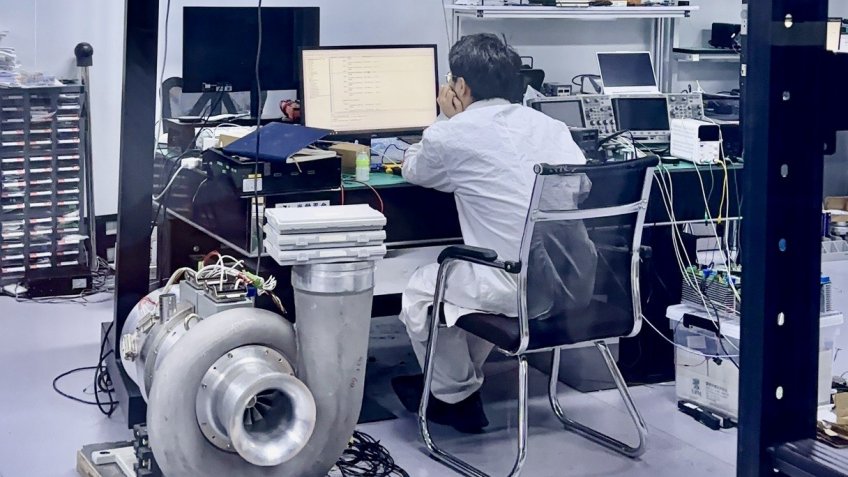
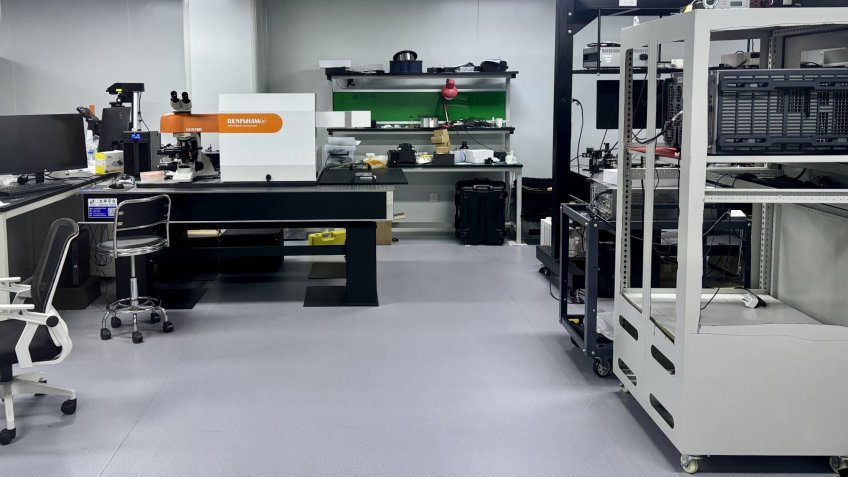
Postgraduate students and faculty members from the Mining University were shown the Laboratory of Precision Measurement and Intelligent Sensing Technologies (PMIST) — a fully fledged research centre staffed by two professors, three associate professors, four senior lecturers, 18 postgraduate students, and 52 master’s students. The laboratory’s femtosecond laser micro- and nanoprocessing equipment is used in high-tech industries such as aerospace, aircraft engine blade manufacturing, semiconductor chip production, and optical systems for astronomical telescopes. The same facility also develops intelligent testing systems for extreme conditions, including high pressure and high temperatures. These developments are also applied in the oil and gas industry, for example, in highly reliable downhole monitoring and drilling navigation systems, as well as in the design of control systems for high-speed magnetic-levitation trains and spacecraft.
«The laboratory’s projects receive government-level grants from the Ministry of Science and Technology and the National Natural Science Foundation of China. Total funding exceeds 50 million yuan (more than 623 million rubles — editor’s note), while one of the projects to develop macroscopic 3D scanners received a budget of 8.34 million yuan (more than 104 million rubles). This indicates that the laboratory is addressing issues of national importance, including those aimed at overcoming sanctions-related bottlenecks in high-precision measurement equipment», — explained Maria Efimova, a postgraduate student at the Department of Mechanical Engineering.
The Saint Petersburg delegation was shown equipment for developing hybrid sensors based on surface-enhanced Raman spectroscopy (SERS) integrated with microfluidic chips. This makes it possible to obtain a unique “fingerprint” of chemical compounds and provides extremely high sensitivity. The students also visited the State Key Laboratory of Deep Oil and Gas, one of the university’s most prestigious research centres, equipped with high-precision, world-class instruments, including Mettler Toledo precision balances (Switzerland), a Malvern Mastersizer 3000 particle size analyser (United Kingdom), a universal testing machine for determining material strength, and a DataPhysics contact-angle measuring instrument (Germany), accurate to 0.1°. The laboratory’s research and innovation team specializing in downhole technological fluids develops drilling fluids for extreme conditions and has already completed more than 30 national-level projects.
At the State Key Laboratory of Deep Oil and Gas, students were also shown the work of a chemical research centre developing reagents for ultra-deep drilling. The research team working there has received numerous national awards, including the National Award for Technological Progress. Its technologies have been scaled up for industrial application at 35 domestic oil fields and in 10 foreign countries, including Russia, the Saint Petersburg delegation was told.
UPC is participating in the PRC’s national “Deep Earth” project for ultra-deep drilling and resource development, which aims to study the Earth’s deep subsurface and secure the country’s energy future. Among its priority objectives is research into the biogenic and abiogenic theories of petroleum formation. Yu Jixian, head of the Summer School at China University of Petroleum in Qingdao, told a Forpost correspondent that it is possible that within the next 10 years it will be proven that petroleum formation is an abiogenic process, since hydrogen and carbon combine and can form petroleum under conditions of high temperature and extremely high pressure.
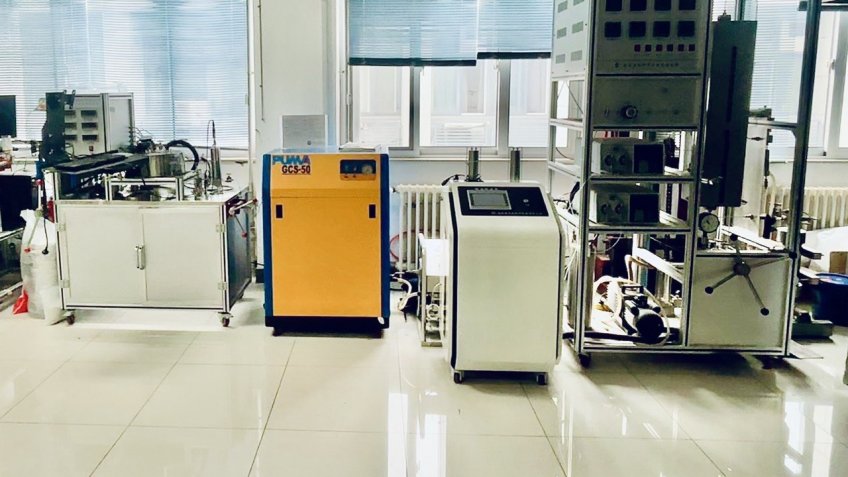
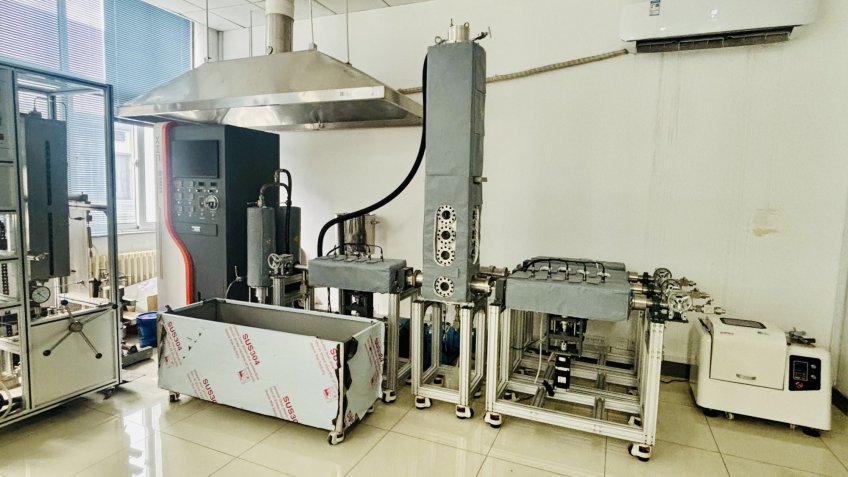
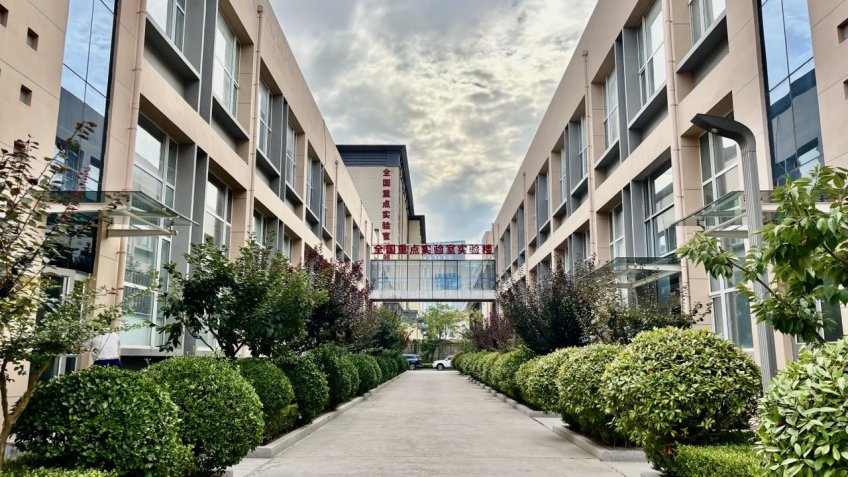
Students of Empress Catherine II Saint Petersburg Mining University participating in a Summer School at China University of Petroleum (Qingdao) (UPC) were shown the university’s main practical training centre, where laboratories reproduce the full range of real-world production processes used by oil and gas enterprises.
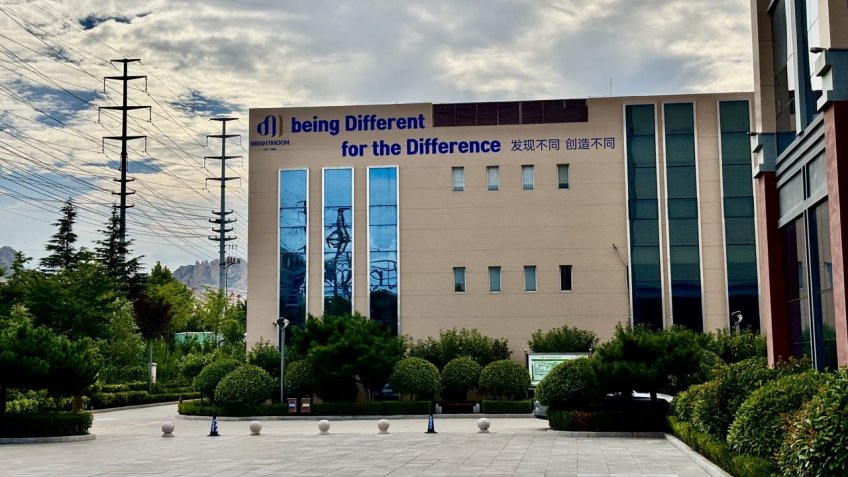
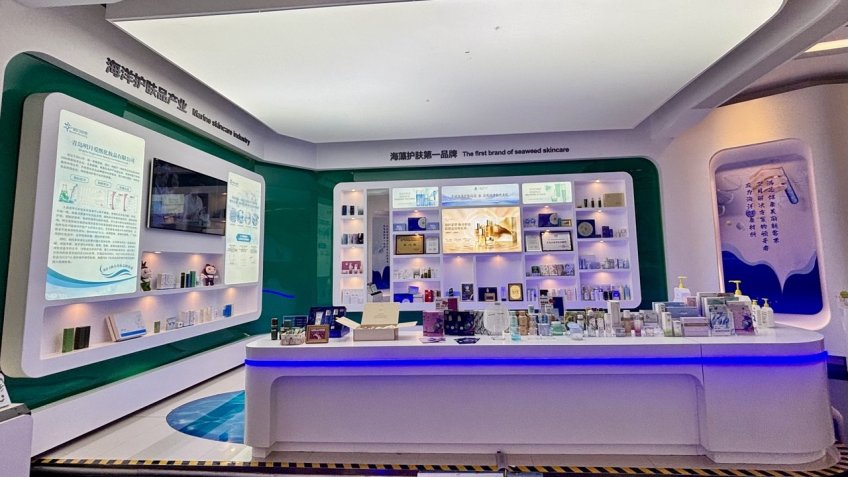
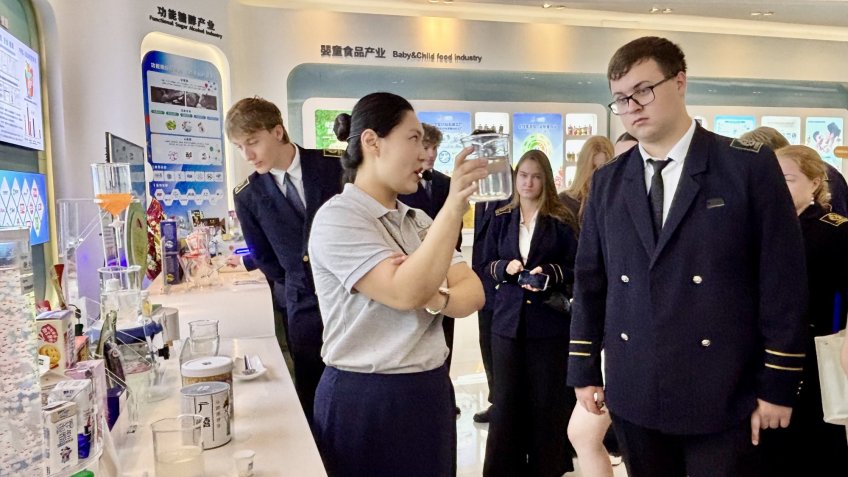
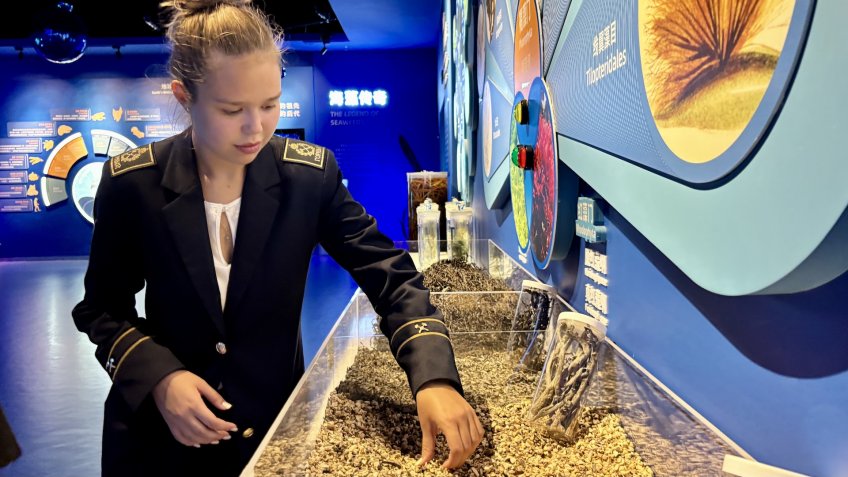
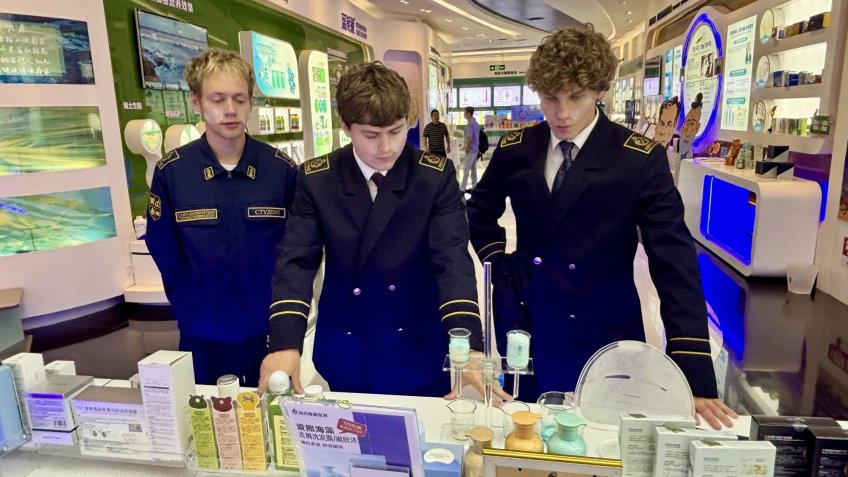
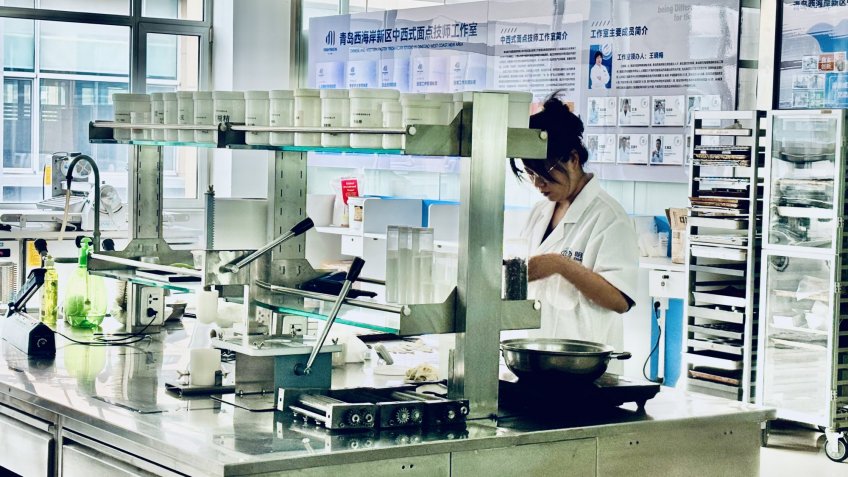
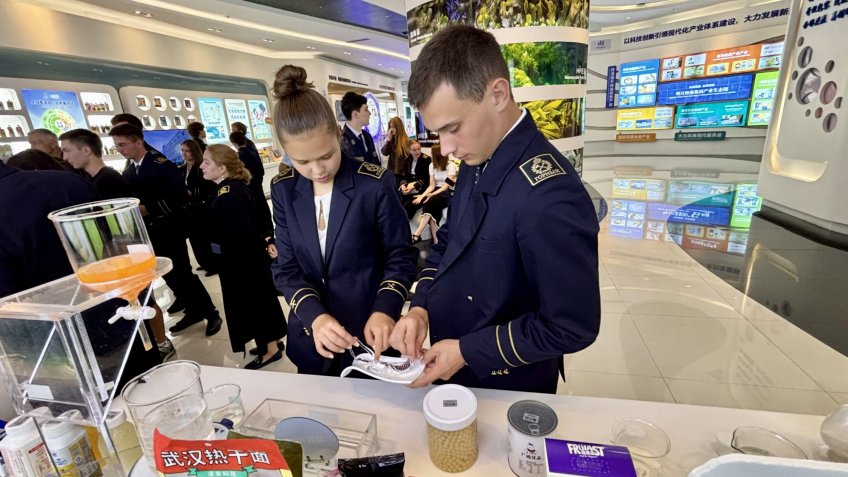
One of the enterprises shown to the Mining University students was Qingdao Bright Moon Seaweed Group, the largest integrated Chinese enterprise specializing in the deep processing of seaweed. This raw material is used to produce an extraordinary range of goods, from medicines, cosmetics, and special wipes that instantly absorb liquids to food products and animal feed. The company holds 556 patents, including international patents.
«In engineering geology, gels derived from brown seaweed (alginates) are well suited for working with the upper soil layer. They can be used to stabilize soil to prevent it from collapsing and generating dust, as well as to restore sites after mining operations or landfills. In addition, such gels can help seal clay soil, preventing water from penetrating deeper», — noted Alexandra Gerasimova, a first-year student specializing in Engineering Geology.
«At the enterprise, we were shown how a biotechnology company organizes its entire production cycle. For me, this broadened my understanding of which industries can be considered related and how knowledge of biological processes can be combined with engineering approaches. It is also an example of how a Chinese company with more than 50 years of history has developed into a modern corporation working closely with government laboratories», — explained Pyotr Rozhentsev, a student at the Faculty of Civil Engineering, Department of Construction of Mining Enterprises and Underground Structures.
The students were also shown various types of seaweed and the full range of products in which they are used. All the mining specialists sampled the seaweed and experienced the effects of the therapeutic cosmetics firsthand.
Associate Professor and lecturer at the Department of Development and Operation of Oil and Gas Fields Elena Safiullina noted that during the Summer School, representatives of China University of Petroleum expressed their willingness to cooperate with Empress Catherine II Saint Petersburg Mining University and create new opportunities for academic mobility for students and postgraduate students.
«Participation in Summer Schools and internships at UPC enables students to familiarize themselves with advanced theories and practices in oil and gas engineering, energy, and engineering sciences, master specialized energy modules in English, and learn from the scientific achievements of rapidly developing China. Students gain access to the study of digital technologies in the energy sector, from forecasting energy generation from renewable sources to managing energy reserves and preventing accidents in real time. For postgraduate students and young researchers, opportunities are opening up to participate in joint research projects, publishing activities, and work in UPC research laboratories equipped with modern facilities. University faculty members gain a platform for exchanging experience in engineering education and implementing practice-oriented training programmes, as well as for conducting joint research in priority areas of oil and gas science», — explained Elena Safiullina.
«The Summer School programme was well balanced: theoretical lectures were naturally interspersed with practical classes, visits to high-tech enterprises, and master classes. The lectures on global energy statistics, gas hydrates, geophysical monitoring, and the application of artificial intelligence in the industry were particularly valuable. Students gained up-to-date knowledge about the distribution of reserves, production dynamics, the role of shale projects, and the transition to a low-carbon economy, which enabled them to compare global trends with Russia’s resource base and gain a deeper understanding of the challenges facing our country», — added Nikita Belko, a second-year student at the Faculty of Oil and Gas.
«The internship enabled me to expand my professional knowledge in the energy and oil and gas sectors, become familiar with modern educational and research technologies, study approaches to organizing scientific activities and university–industry cooperation, and establish new professional contacts. The results obtained can be used in further research and teaching activities, in developing joint Russian–Chinese educational and research initiatives, and in improving mechanisms for international cooperation between the Mining University and foreign universities», — noted postgraduate student Irina Dorozhkina.
The Summer School for students of Empress Catherine II Saint Petersburg Mining University at China University of Petroleum in Qingdao took place from August 2 to 15. The university participates in the “Project 211” of the Ministry of Education of the PRC, which provides for the accelerated development of 115 key Chinese universities and their advancement to international standards. Research conducted at UPC was used in the development of China’s ultra-deep wells A1H in the waters off the Pearl River Estuary (2024) and Shenditake-1 in the Tarim Basin (2025). In addition to exploring for oil and gas resources, Shenditake-1 is intended to study the evolution of the Earth and deep geological processes.
Students of the Mining University are undergoing an internship at China University of Petroleum in Qingdao (China University of Petroleum, UPC), where future specialists are being introduced to theories and practices in oil and gas engineering, energy, and engineering sciences. During the first few days, the students attended lectures in English, mastering specialized energy modules, visited TELD, the city’s largest industrial enterprise, and immersed themselves in the country’s culture.